
Yushui Village Dongba Culture: Your Guide to an Authentic Experience
2026-07-19
Tucked away in the shadow of the Jade Dragon Snow Mountain, Jade Water Village offers a rare glimpse into the living Dongba culture. Far from the crowded tourist trails, this hidden gem invites you to step into a world where ancient pictographs, shamanic rituals, and stone-built homes tell stories thousands of years old. If you’re craving an experience that feels personal and untouched, you’ve just found your next destination.
Exploring the Origins of Dongba: Where Myths Come Alive
Tucked away in the rugged landscapes of southwest China, the Dongba tradition carries the whispers of an ancient world. Its origins are not merely a matter of historical record but a living tapestry woven from the beliefs of the Naxi people. Long before written scriptures, stories of celestial battles, sacred mountains, and shape-shifting deities were passed down through chants and rituals, forming the bedrock of a culture that sees the divine in every rustling leaf and flowing stream.
What sets Dongba apart is its unique pictographic script, the only living hieroglyphic writing system still in use today. Each character is more than a symbol; it’s a fragment of myth frozen in time. When a Dongba priest traces these ancient glyphs onto paper, he reenacts the primordial act of creation, inviting spirits to dance through stroke and ink. These manuscripts are not static relics but doorways into a world where the first humans emerged from a cosmic egg and the hero Chongbanjie tamed the flood, stepping between realms with a drum and a chant.
Far from being a forgotten relic, Dongba mythology breathes through the mountain villages of Lijiang, where daily life intertwines with legend. The stories are not just told—they are performed during rites that heal, guide, and connect the living to their ancestors. In the fluttering prayer flags and the rhythmic beat of a shaman’s drum, one can still feel the pulse of these ancient tales, where every myth is a map to understanding humanity’s place in a vibrant, spirit-filled cosmos.
Witnessing a Sacred Ceremony: The Heartbeat of Yushui Village
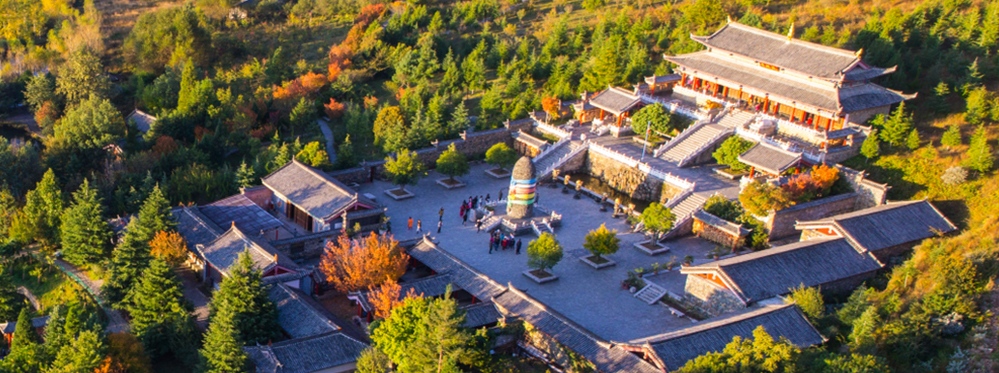
Stepping into Yushui Village during its most sacred ceremony feels like walking into a living tapestry of tradition and devotion. The air is thick with the fragrance of burning incense and the rhythmic pulse of drums that seem to echo the heartbeat of the village itself. Elders draped in handwoven garments, their faces etched with stories of generations, lead a procession that winds through ancient stone paths, past wooden houses adorned with vibrant banners. There’s a palpable energy—a blend of reverence and communal joy—as villagers young and old come together, their voices rising in chants that have been passed down through centuries. It’s not a performance for outsiders; it’s a genuine, unvarnished window into a culture that values ancestry, nature, and the invisible ties that bind them.
At the center of it all is the ritual offering, a beautifully choreographed dance of gestures and gifts to honor the spirits believed to guard the land and water. I watched as baskets of freshly harvested rice, fruits, and hand-carved tokens were laid at a modest altar beneath a sprawling banyan tree—a tree so old its roots intertwine with village folklore. A shaman, eyes half-closed in a trance-like state, murmured blessings while the crowd remained utterly silent, save for the occasional clink of brass bells. You could feel the collective faith in that silence, a stark contrast to the noise of modern life. It’s in these moments that Yushui Village reveals its soul, reminding you that the sacred doesn’t need grand cathedrals—it thrives in simple, heartfelt acts of connection.
What struck me most was how the ceremony didn’t just preserve the past; it actively shaped the present. After the formal rites, the atmosphere shifted seamlessly into celebration. Families shared meals on long communal tables, laughter mingling with the smoky scent of grilled fish. Children, their faces painted with auspicious symbols, darted between the legs of adults, learning tradition not through lectures but through unbridled participation. It dawned on me that this sacred ceremony isn’t a relic—it’s the heartbeat that keeps Yushui Village alive, a way of reaffirming identity in a rapidly changing world. To witness it is to be touched by something timeless, an experience that lingers long after the last drumbeat fades into the misty mountains.
The Art of Dongba Script: Decoding Ancient Wisdom
Wandering through the old towns of Lijiang, you might spot curious symbols etched into wooden plaques or dancing across handmade paper. These are not mere decorations but living echoes of the Dongba script—a rare pictographic writing system still used by the Naxi people. Unlike abstract alphabets, each character is a miniature drawing: a snake coiled around a stick, a bird mid-song, a figure with an exaggerated head to signify thought. Created over a thousand years ago by the Dongba priests, the script was never meant for daily chatter but as a sacred bridge to the spiritual world, recording rituals, myths, and remedies. Today, it survives in fewer than a hundred volumes, fragile yet stubbornly vibrant, resisting the pull of homogenized digital text.
What sets Dongba apart is its fusion of language and visual art. The symbols don't just represent sounds; they paint concepts with strokes of mountain goat hair. A single character might tell a story: a man under a roof becomes “home,” while a line curving like a river over a field can mean “irrigation” or “life-giving.” The colors add layers—black pine soot for permanence, mineral blue for the heavens, crushed pomegranate rind for a rusty orange that evokes autumn rituals. Artists today draw inspiration from this ancient palette, weaving Dongba motifs into contemporary calligraphy and installations. At its core, the script teaches us that writing can be more than a tool; it’s a canvas for keeping the invisible world visible.
Deciphering Dongba is like peeling back layers of a painted scroll. Without formal schools, the knowledge passed from master to apprentice in murmurs by firelight. Modern scholars pore over manuscripts that map the soul’s journey after death or catalog medicinal plants with the same brushstroke reverence. The wisdom isn’t limited to folklore—embedded in the script is an ecological ethos: every mountain, stream, and creature holds a spirit, a reminder of interdependence often lost in modern life. Even as younger generations reach for smartphones, a quiet revival stirs. Craftsmen carve the symbols into silver pendants, grandmothers teach toddlers the character for “sun,” and each curve affirms that some stories can only be told when words become pictures.
Beyond the Village: Nature’s Role in Dongba Traditions
For the Naxi people of southwest China, the Dongba tradition draws its vitality not from temples or urban centers, but from the quiet power of the natural world. Mountains, rivers, trees, and even the wind are not mere backdrops—they are living participants in a sacred conversation. Ceremonies held outdoors, often on slopes overlooking a valley or beside a rushing stream, anchor belief to the land itself. A towering pine becomes a messenger between realms; a spring’s murmur echoes the rhythm of a chant. This intimate bond suggests that nature isn’t simply protected by the tradition—it’s the very source from which the rituals draw their meaning.
The scripts and oral epics of the Dongba reveal a cosmology where every rock and cloud holds a story. Deities dwell in glacial peaks, and spirits follow the migration of birds. When a ritual specialist, or dongba, prepares a talisman, they might press leaves into the paper or mix ink with water drawn from a specific bend in the river. Such acts are not decorative; they infuse the ceremony with the raw essence of the place. By rooting spiritual practice so firmly in the tangible world, the Dongba tradition blurs the line between the village and the wilderness, reminding practitioners that human life is but one thread in a larger, wilder tapestry.
Even in a rapidly modernizing landscape, the pull of the natural world endures. Young Naxi who learn the old chants find themselves venturing into forests their grandparents once walked, discovering that the stories make little sense without the scent of damp earth or the sight of an eagle circling overhead. The tradition resists being confined to a museum or a performance stage; it breathes best where the soil is still soft and the horizon stretches wide. In this light, safeguarding Dongba culture means more than recording a manuscript—it means protecting the rivers, groves, and mountain passes that gave it life in the first place.
Conversations with a Shaman: Unveiling Spiritual Pathways
Stepping into the shaman's hut felt like crossing a threshold between worlds. The air was thick with the scent of burning sage and something older, earthier—like the memory of a forest after rain. She sat cross-legged on a woven mat, her eyes holding that peculiar stillness you see in people who've spent decades listening to spirits. "Most people come here looking for answers," she said, her voice low and unhurried, "but the spirits rarely give them directly. They show you pathways, not destinations." That first conversation dismantled my neatly organized notions of spirituality, replacing them with a messier, more alive sense of possibility.
What struck me most was how she spoke of the unseen as if it were as tangible as the cup of tea cooling between us. Ancestral guides, plant allies, the whisper of wind through a particular tree—none of it was metaphor to her. I remember asking how someone steeped in city life could ever hope to access such pathways. She laughed softly and tapped her chest. "The pathways aren't out there," she said. "They run right through here. The concrete and the screens are just new kinds of forest. The spirits adapt." In that moment, spirituality stopped being an escape from modern life and became a deeper way of inhabiting it.
Crafting Your Own Dongba Amulet: A Hands-On Ritual
Creating a Dongba amulet is more than just crafting an object—it’s about participating in a living tradition that connects you with the Naxi people’s ancient spiritual world. The process begins with selecting materials that hold symbolic weight: a small piece of wood from a tree believed to carry protective energy, some natural dyes made from local plants, and a brush fashioned from bamboo. As you sit quietly with these items, take a moment to clear your mind. The Naxi believe that your intention flows into the amulet as you work, so it’s important to focus on the protection or blessing you seek. This isn’t a factory assembly line; it’s a slow, personal exchange between you and the symbols you’re about to inscribe.
Next, you’ll paint a Dongba pictograph onto the prepared wood or stone. If you’re new to the script, don’t worry about perfection—the power lies in the act of replication and the energy you invest. Common symbols include the sun for vitality, the frog for fertility and protection, or a stylized warrior figure to ward off negativity. Dip your brush into the dye and draw the character in deliberate, unhesitating strokes. As the image takes shape, you might whisper a incantation passed down through generations or simply repeat a personal affirmation. The Naxi often say the symbol awakens only when it’s made with a sincere heart, so let your connection to the symbol be genuine rather than mechanical.
Once the pigment dries, your amulet needs to be “activated.” In a traditional setting, a dongba priest might chant over it, but you can perform a simple version yourself. Hold the amulet in both hands, close your eyes, and visualize white light or a protective circle surrounding it. Some people choose to breathe onto the surface three times, a gesture of breathing life into the object. Afterwards, carry it with you, hang it above a doorway, or place it under your pillow. Over time, you might feel a subtle shift—a sense of being accompanied. Remember, the amulet isn’t a passive trinket; it’s a relationship. Treat it with the same care you’d offer a trusted companion, and it may just return the favor.
FAQ
Yushui Village sits at the foot of Jade Dragon Snow Mountain and feels like a living museum of the Naxi people. The Dongba shaman priests still practice rituals here, and you can see ancient pictographs carved into stones along the paths. It’s not just a tourist stop—it’s a place where traditions breathe.
Yes, if your timing is right. The village holds periodic blessing ceremonies, often tied to the lunar calendar. Even without a full ritual, you’ll likely encounter Dongba priests chanting or writing scripts in the cultural center. Ask locally when you arrive—sometimes a small ceremony can be arranged for a group.
Absolutely. Many guesthouses and the village cultural hall offer short workshops. You’ll pick up a few symbols and grasp the philosophy behind them—like how the character for 'mountain' resembles a peak and 'water' flows like a stream. It’s hands-on and surprisingly meditative.
Skip the big restaurants and eat at a family-run courtyard kitchen. Order baba bread and butter tea, and if you show genuine curiosity, elders often share stories about the old days. Some families even host overnight guests, turning a simple meal into a deeper cultural exchange.
Spring and autumn host the most celebrations, especially the Sanduo Festival in February or March and the Torch Festival in June or July. But even outside festival dates, the village vibe changes with the planting and harvest seasons, offering a different kind of rhythm each month.
Refrain from touching ritual objects without permission, and always walk clockwise around sacred sites. When photographing Dongba priests, ask first—a smile goes a long way. Dress modestly when entering any shrine, and accept tea if offered; refusing can be seen as distant.
Wandering is encouraged. Cobbled lanes twist past waterwheels and old wooden homes, many still decorated with Dongba paper talismans. You might stumble upon a priest inscribing a prayer flag or hear Naxi music drifting from a courtyard. Serendipity is part of the experience—just be open to it.
Conclusion
Yushui Village opens a living doorway into the Dongba world, where ancient myths aren’t just recited but woven into everyday life. Tracing the origins here means stepping into stories where the first humans, the sacred Banyan tree, and the elemental spirits still inhabit the landscape. You’ll feel it most during a ceremony—the rhythmic chants, the burn of pine incense, and the shaman’s deliberate movements pulling you into a dialogue between the seen and unseen. The Dongba script, scratched onto handmade paper, becomes more than a curiosity as you watch a village elder paint symbols that encode centuries of botanical knowledge, moral codes, and cosmic balance. It’s a language that refuses to separate nature from spirit, and in Yushui, that connection is immediate.
Step beyond the village paths and the mountains themselves become teachers: the rush of the meltwater stream, the ancient azaleas, and the sharp silhouette of Jade Dragon Snow Mountain all feed into rituals that honor the life force in everything. A conversation with a shaman reveals not dogma but a quiet, adaptive wisdom—guidance on navigating grief, illness, or simply the seasons, always rooted in gratitude to the natural world. The experience culminates in crafting your own Dongba amulet, binding a personal intention into wood, stone, and string. In your hands, it carries the hum of the ceremony, the scent of the forest, and a piece of a tradition that remains fiercely alive, not behind glass, but in the pulse of Yushui Village.
Contact Us
Contact Person: Changhong He
Email: [email protected]
Tel/WhatsApp: 086-0888-5190152
Website: https://vip.e-baixing.com/ysh