Natasha Romanoff’s tactical look works because every detail serves a purpose. The fitted panels, worn leather, and low-profile straps don’t just photograph well—they move with you, which matters after hours on a convention floor. This guide looks past the obvious catsuit and focuses on the smaller choices that separate a rushed outfit from one that feels genuinely in character. You’ll find practical advice on selecting materials that hold their shape without sacrificing mobility, adjusting the belt and holster placement to flatter real body proportions, and deciding between the classic black suit and the white variant based on how each reads under different lighting. Comfort features like breathable lining and reinforced seams get equal attention alongside screen accuracy. By the end, you’ll have a clear sense of which upgrades are worth the investment and which details you can simplify without losing the Black Widow effect. The goal is confidence, not costume anxiety.
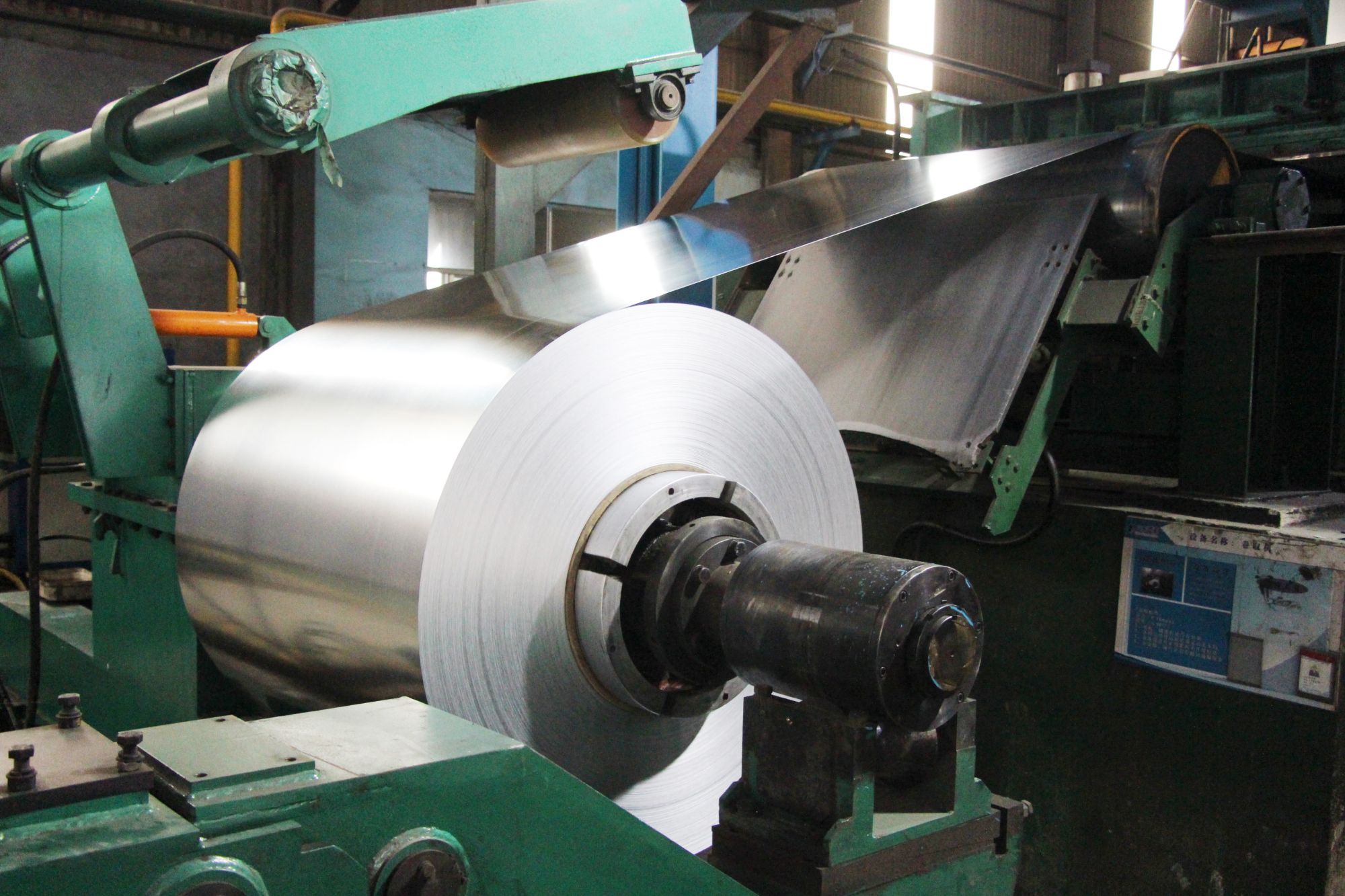
Many buyers assume a galvanizing line is only as good as its coating thickness, but real performance hinges on details most spec sheets never show. From bath chemistry to roll alignment, small selection choices become visible later as uneven zinc layers, rough edges, or early rust. This guide cuts through the usual sales language and points to the checks that matter before a purchase: how the equipment handles tension, where alignment drift starts, and which design flaws lead to rework. It also explains why long-term finish consistency isn't about a single specification but the way components work together. For equipment aimed at stable surface quality, the piece takes a closer look at LANYUN and how its design choices affect final coating results. If you're evaluating lines and want to avoid costly surprises, the practical filters here can make the decision clearer.
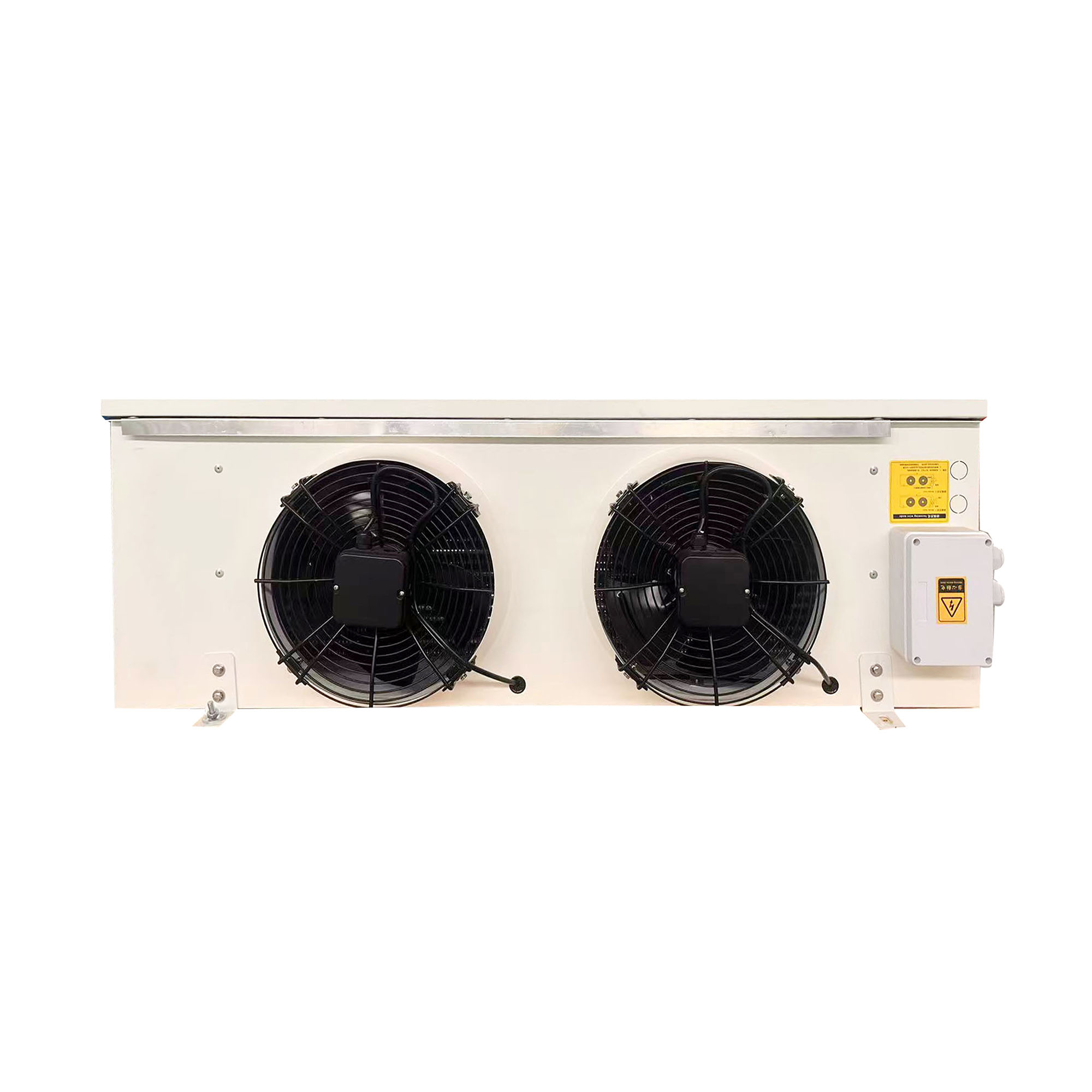
Most guidebooks treat container refrigeration rooms as if they were standard cold storage, and that mistake shows up in higher energy bills, uneven temperatures, and spoiled cargo. This piece looks at what actually separates a dependable room evaporator from a spec-sheet compromise: airflow distribution, defrost recovery, and humidity behavior under real operating conditions. Rather than pushing generic catalog choices, it walks through the factors worth checking before you commit to a fleet upgrade or a new build. The focus stays practical, with attention to factory options engineered for demanding container use, including PAULAIR. You’ll find a selection framework that helps you ask sharper questions, compare equipment on the right terms, and avoid the trial-and-error costs that come from a poorly matched unit. It also connects early specification decisions to what happens later in daily cold chain operation, where small performance gaps become expensive. The result is a clearer path to equipment that holds up.
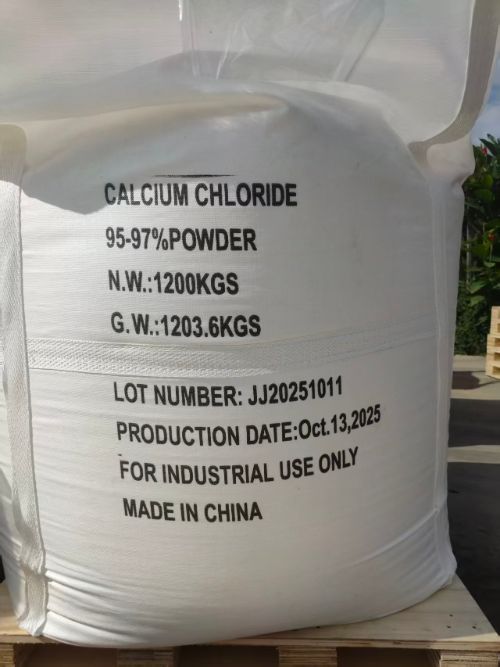
Plain calcium chloride powder rarely earns a second glance until ice coats a road, dust drifts across a haul route, or a concrete pour begins to lag. This piece skips the surface-level talk and focuses on the two things that decide whether operations run smoothly or turn into a costly mess. Those are buying to the correct specification and respecting a handful of handling rules from the very first order. It covers four key uses, including ice control, dust suppression, concrete acceleration, and moisture management, with practical guidance instead of generic filler. The article also explains why consistent quality and dependable supply should outweigh a lower price, and it points readers toward a supplier worth evaluating when reliability matters. The tone is direct and grounded in field experience, making it useful for procurement teams and site managers alike. It is a short read that can save real money before the next truck arrives.
Sourcing industrial chemicals from overseas factories can feel like a gamble, but it doesn't have to be. Buying calcium chloride 77% prills straight from the factory is rarely just a numbers game. Consistent purity, moisture control, and logistics that hold up mid-season matter just as much—maybe more—than the quoted price. This article walks through the factors that actually make a supplier dependable: production capacity, quality certifications, packaging options, and after-sales support. It also explains why real-world performance matters, especially in de-icing, dust control, and oilfield applications where clumping or supply gaps can bring operations to a standstill. Along the way, it highlights one name—Shouguang Golden Chemical—that has built a reputation for delivering consistent 77% prills under tough conditions. If you're tired of suppliers who overpromise and underdeliver, this guide will help you spot the right partner before you commit, so you can avoid costly downtime and keep your season on track. Here's what actually separates a trusted factory from one that just talks a good game.
Every square inch of filler material leaving your facility carries hidden costs—raw materials and environmental impact. For OEMs squeezed between cost-cutting and carbon reduction, traditional fillers rarely satisfy both. That's where recycled material filler pads come into play, turning what would be scrap into dependable, affordable product protection. Top Packaging has been quietly advancing this solution for OEM lines, proving that sustainability and smart manufacturing don't have to be at odds. This piece breaks down how their recycled pads are made, why they outperform standard fillers in both price and performance, and what that means for companies trying to hit tough sustainability targets without inflating budgets. You'll see real examples of waste streams being repurposed, the quality controls that make recycled pads a safe bet, and the operational benefits that follow when you stop treating filler as disposable. It's a practical look at closing the loop in packaging, one pad at a time.
A clear acrylic box may look simple, but the path from raw polymer to a seamless, shatter-resistant organizer is quietly complex. Inside the production floors, precision engineering chases an almost obsessive clarity and resilience. You’ll see how practical durability blends with gallery-worthy minimalism, turning everyday storage into a subtle design statement. For anyone tired of bins that chip, fog, or crack, this deep dive shows what sets enduring acrylic apart—and how the right piece can reshape a messy space into a serene one. You’ll meet the team at Zhejiang Haitong, where every container is built to absorb daily life while holding its elegance. It’s not just manufacturing; it’s the art of turning a simple box into something you might just pass down. This shift in perspective might make you look at your own storage with fresh eyes.
Most people only think about an air conditioner when it suddenly stops working on a hot afternoon. Yet long before that unit reaches your wall or window, it passes through a surprisingly complex factory journey. Raw sheet metal, copper tubing, and refrigerant lines are shaped, joined, and tested in a process that mixes robotic precision with careful human judgment. The real story is in the details: coils that must be formed just right, braze joints that hold under pressure, vacuum charging that removes moisture, and final performance checks that separate reliable machines from the rest. This look inside production also highlights how manufacturers like PAULAIR handle assembly differently, paying attention to small choices that keep a unit quiet and dependable for years. It is a side of cooling most people never see, but it is exactly what determines whether an air conditioner becomes forgettable or quietly effective season after season.