

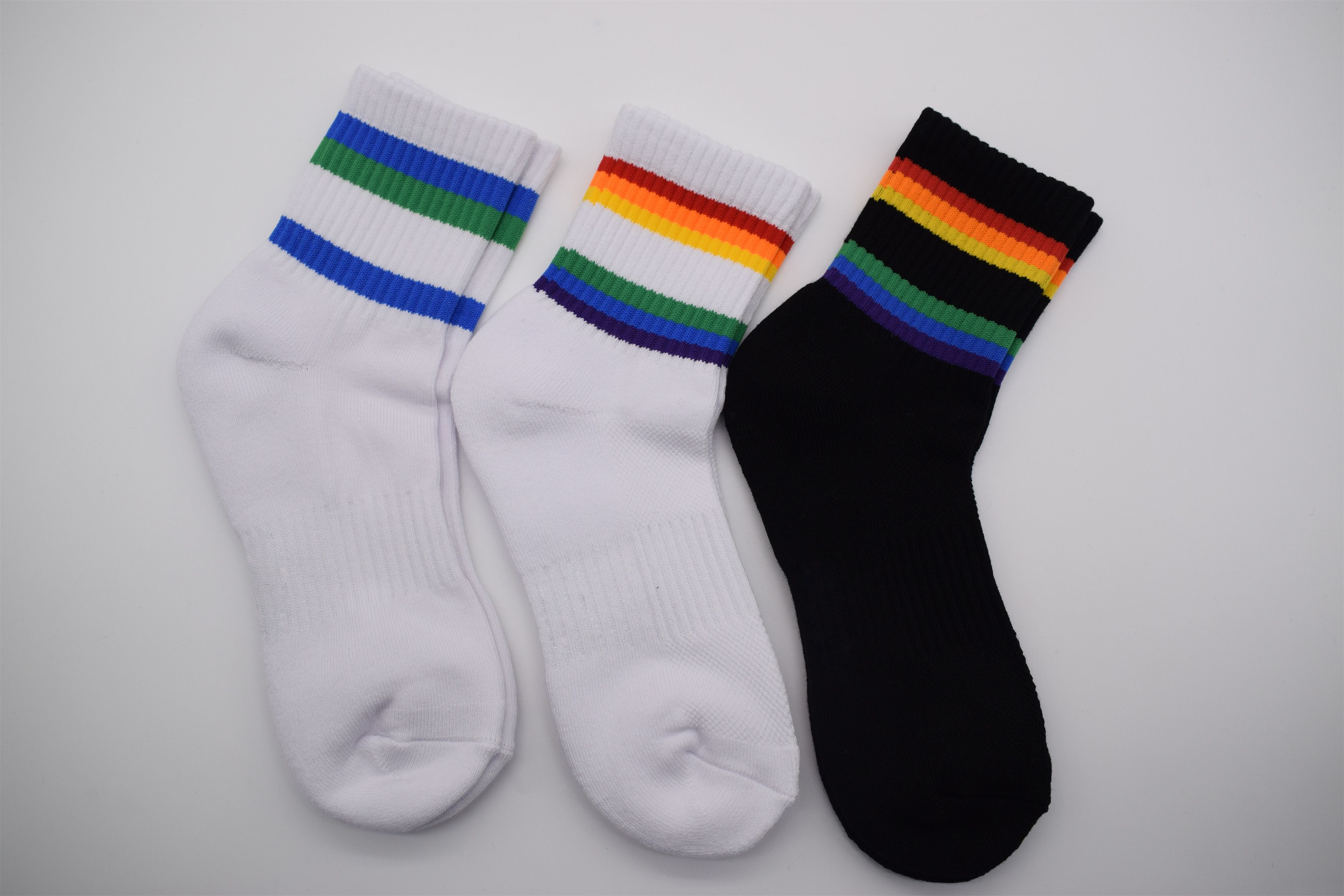
Top Men's Half Terry Running Sport Socks for Superior Comfort and Performance
2026-10-02
If you're chasing a run that feels as good at mile five as it does at mile one, your socks are probably the last thing on your mind—until they're not. KINDWAY has taken the half terry design and tuned it for men who want superior comfort without any bulky, slip-prone feel. These running sport socks deliver cushioning where it counts and breathability where it matters, so your feet stay dry, supported, and focused on the road ahead. Ready to see why the right pair changes more than just your stride?
Half Terry Cushioning Without the Bulk
Most cushioned socks go overboard—thick loops, puffy knits, that squishy feeling that makes your shoes fit tighter by noon. Half Terry flips that. The cushioning sits only where your foot actually takes a beating: under the heel and across the ball. The rest of the sock stays lean, so you get impact protection without the shoe-swallowing volume.
The trick is the terry loops themselves. Instead of running wall-to-wall, they’re concentrated in high-wear zones and trimmed down to about half the usual height. That lowers bulk, speeds up moisture evaporation, and keeps the sock from shifting inside your shoe. You notice it most on long runs or back-to-back training days—your feet feel fresh, not smothered.
What really sets it apart is the transition. Walk around in a fully cushioned sock and you feel every fiber. With Half Terry, the padded sections blend into the smooth knit so cleanly you’ll forget they’re there until you land hard on a downhill. It’s cushioning that works quietly—no extra height, no hot spots, just a firmer landing where it counts.
Sweat Management for Long Tempo Runs
Sweat rate climbs quickly once you settle into threshold pace, and long tempo efforts leave little room to fix mistakes. Start by weighing yourself before and after a few sessions to learn how much fluid you actually lose—most runners underestimate it. Replace roughly 70–80% of that loss during the run, not all of it, and add electrolytes if the session goes beyond 75 minutes or if you notice salt crust on your skin. A handheld bottle or a belt with a small flask beats relying on aid stations, since stopping breaks your rhythm.
Clothing choices make a bigger difference than many expect. Skip cotton and opt for a lightweight synthetic or merino blend that dries fast, but avoid super thin singlets that cling and drip. A thin headband or wristband can keep sweat out of your eyes without constant wiping. For chafing, apply anti-chafe balm to inner thighs, underarms, and around your sports bra or heart-rate strap before you start. If you know you sweat heavily, plan your route near a water fountain for a mid-run refill, and slow your pace by a few seconds if you feel overheating—tempo work is about sustainable effort, not suffering through soaked shoes.
Arch Support That Matches Your Foot Shape
Finding the right arch support isn't about guessing what feels okay in the store—it's about understanding how your foot actually distributes weight. A high arch, a low arch, or something in between changes where pressure builds with every step, and that directly affects your knees, hips, and lower back. Instead of forcing your foot into a generic shape, look for support that follows your natural curve while still offering firm guidance through the midfoot.
The best way to match support to your foot shape is to check your wet footprint or consult a simple arch height measurement. Those with flatter feet often need a structured heel cup and a gentle medial post to stop overpronation, while higher arches benefit from a softer, more flexible support that cushions rather than pushes. The material matters too: cork, memory foam, and layered EVA all behave differently under load, so what works for a standing-all-day job may not suit a long-distance runner.
Pay attention to how the support feels after ten minutes, not just at first touch. A well-matched arch insert should disappear under your foot—you shouldn't be constantly aware of a lump or a hard edge. If you notice a new ache in your arch or heel after a few days, that's a signal the shape isn't right, not that you need to "break it in." Rotate between different support profiles until you find the one that lets you walk without thinking about your feet.
Heel Grip That Stops Slipping Before It Starts
Most heel grips only react once your foot is already sliding. That’s too late. This one works differently — the moment your heel presses in, the micro-channel surface locks onto the sock, creating a static-like hold that keeps the foot seated firmly in the shoe. No bunching, no shimmying, no half-step readjustments. You forget it’s there until you realize you’ve walked all day without once tugging at the back of your shoe.
The trick is in the pressure-responsive texture. At rest, the surface feels lightly textured but smooth enough to slide in and out easily. Under load, the tiny ridges flatten and spread, increasing contact area just when you need it. It’s not tacky or sticky, so it won’t grab socks and leave lint behind. Instead, it behaves like a directional brake — free in one direction, locked in the other. That’s why it stops slipping before it starts, instead of just slowing it down.
Installation takes under a minute: peel the backing, align the top edge just below the collar line, press hard for ten seconds. It works in leather, canvas, and most lined shoes. And because the grip lives inside the heel, not under the ball of the foot, you keep full toe flex and natural stride. Whether you’re breaking in stiff new boots or rescuing a favorite broken-in pair, this is the difference between a shoe that fits and a shoe that holds.
Seamless Toe Construction for Blister-Free Miles
The toe box hides a design detail that often goes unnoticed until your longest runs: a single, continuous piece of fabric wrapping from midfoot to tip. No raised seams, no stitched reinforcements. That means there's nothing to rub against the top of your foot or between your toes when your stride stretches out on late-mile fatigue.
Most socks rely on a separate toe panel joined by an overlock stitch, which creates a ridge. Even a millimeter of stitching, repeated ten thousand times per mile, becomes a hotspot. By eliminating that junction entirely, this construction keeps the interior of the sock as smooth as the exterior. Blisters aren't just reduced—they're designed out of the equation before you ever lace up.
Runners who battle toe blisters, blackened nails, or irritation from toe seams tend to notice the difference within the first three miles. The lack of friction allows toes to splay naturally inside the shoe, which also improves stability on uneven pavement. It's a quiet fix for a loud problem, and once you run in it, going back to traditional toe seams feels like a step backward.
Built to Outlast Your Training Cycle
When you commit to a training block, the last thing you want is gear that gives up before you do. This piece was built with reinforced seams and abrasion-resistant panels in the spots that take the hardest hits—think shoulders, hips, and knees. It shrugs off daily wear so you can push through week six the same way you did week one.
Most training cycles run eight to twelve weeks, but the materials here are rated for far longer than that. We skipped the flimsy, quick-to-pill fabrics and opted for a dense, high-twist knit that holds its shape through countless washes and late-night sessions. The zippers and hardware are stress-tested to survive being yanked, dropped, and stuffed into gym bags without jamming or snapping.
Durability isn't just about surviving—it's about not becoming a distraction. Flatlock stitching prevents chafing during repeated movements, and the color-fast dye won't fade into a sad, washed-out version of itself after a month. By the time you're setting new PRs, your gear should still feel like an ally, not a liability.
FAQ
They feature half terry loops on the sole only, which gives you soft impact absorption under the ball and heel while keeping the top of the foot thin and breathable.
Yes. The half terry knit wicks moisture away from the skin, and because the top is a lighter fabric, air circulates better than in full-terry socks.
No, they have a ribbed arch band and a heel tab that lock them in place, so you don't have to stop mid-run to adjust them.
They're comfortable enough for all-day wear—errands, commuting, or casual walks—but the cushioning is tuned for impact sports, so they really shine on runs.
Most versions blend polyester, nylon, and spandex with a cotton-rich terry footbed. That balance keeps them soft, durable, and stretchy without losing shape.
They sit in the middle: thicker than a thin liner but not as bulky as a full-cushion hiking sock. The half terry gives you the sweet spot for road running.
The targeted cushioning under the forefoot and heel absorbs repeated impact, which can delay that tired, heavy feeling in your feet during longer distances.
Wash them inside out in cold water and avoid bleach or fabric softener. Air drying or low-heat tumble drying helps the terry loops stay plush longer.
Conclusion
There's a certain relief in pulling on a pair of running socks that doesn't feel like you've wrapped your feet in a towel. The half terry cushioning here manages that balance: enough softness under the ball and heel to absorb the repetitive impact of pavement, yet not so much volume that your shoes suddenly feel a half-size too small. On longer tempo efforts, the moisture-wicking yarn does its job quietly, keeping the foot from turning into a swamp after forty minutes of sustained effort. I've also noticed the arch band sits snug against the midfoot without that tourniquet tightness you get from some 'compression' socks, which makes a real difference when your foot swells slightly during a hot run. The heel pocket holds its shape well, so you're not constantly adjusting or feeling the fabric slide down into your shoe.
Blisters tend to show up where seams rub, and the toe closure here is virtually undetectable even after wet crossings or sweaty intervals. That's one less thing to think about during a race or a long training block. Durability-wise, the blend resists thinning at the heel and toe far better than typical cotton blends, and after multiple wash-and-wear cycles they haven't lost their stretch or shape. For runners who want a dependable workhorse sock without gimmicks, these handle everything from easy recovery jogs to threshold workouts without drawing attention to themselves—which is exactly what you want from gear that's supposed to support you, not distract you.
Contact Us
Contact Person: Alfred Lee
Email: [email protected]
Tel/WhatsApp: +86 13806701496
Website: https://www.hainingsocks.com/