

Top Elderly Mobility Wheelchair Picks: Expert Recommendations for Safe and Comfortable Movement
2026-07-30
Finding the right mobility wheelchair for an elderly loved one can feel overwhelming, but it's a decision that directly impacts their safety, comfort, and independence. With so many options claiming to be the best, how do you separate genuine innovation from marketing noise? At the forefront of this discussion is Freedomchair, a standout choice that redefines what a mobility aid can be. In this guide, we’ve gathered expert recommendations to help you navigate the top picks, ensuring you make a choice that brings peace of mind and renewed freedom to your family.
Prioritizing Stability: How to Identify Wheelchairs That Prevent Tip-Overs
Stability starts with the chair's footprint. A wider wheelbase naturally resists tipping, so look for models where the rear wheels are set farther apart. This creates a broader support base, especially when turning or navigating uneven ground. Also pay attention to the center of gravity—chairs designed with a lower seat position or the ability to adjust the rear axle forward or backward let you fine-tune balance. A properly adjusted chair should feel planted, not like it's eager to lift off the front casters during a sudden stop or incline.
Beyond dimensions, the presence of anti-tip bars is a straightforward safety net. These small rear extensions with wheels catch the chair if it starts to tilt backward. But not all anti-tippers are equal—some are fixed, while others flip up or telescope, giving you flexibility for curbs without sacrificing safety. Check that they're sturdy and extend far enough back to actually do their job. A chair that claims stability should have these built in or at least offer them as a standard add-on, not an afterthought.
Real-world prevention also depends on how the chair handles dynamic shifts. Test the chair with weight shifts: if you lean forward or to the side, does it stay grounded? A well-engineered chair distributes pressure evenly across all four contact points. Look for frames with a low center of mass and stiff construction—lightweight doesn't have to mean tippy. Avoid designs that feel top-heavy or have front casters that flutter at speed, as these are early warnings of instability. Ultimately, the safest chair is one that works with your body's movements, not against them.
Cushioning That Cares: Materials and Designs for Pressure Relief
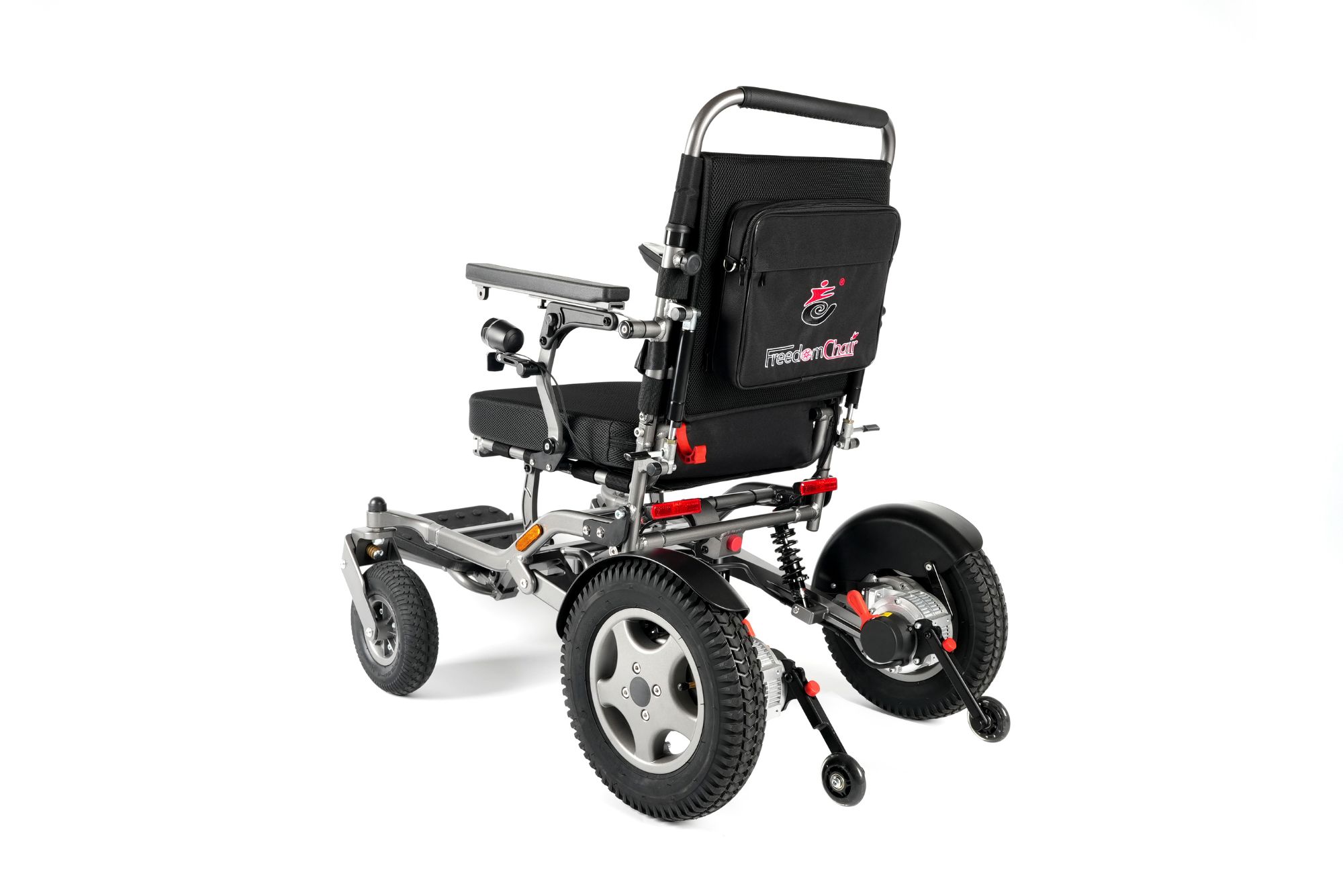
When comfort meets thoughtful engineering, cushioning becomes more than just a soft layer—it becomes a vital component in pressure relief. The right materials work gently against the body, redistributing weight to prevent concentrated stress on joints and bony areas. Memory foam, for instance, adapts to individual contours, while advanced gel blends offer a cooler, more responsive feel. These aren’t just buzzwords; they’re carefully selected to keep discomfort at bay during extended periods of sitting or resting.
Design plays an equally powerful role. Strategic zoning—placing firmer support where the body needs it and softer relief where pressure peaks—can transform an ordinary surface into one that actively cares for you. Subtle contours and breathable channels enhance the effect, allowing air to circulate and maintaining healthy posture without causing stiffness. It’s a quiet, almost invisible science that makes staying comfortable feel effortless.
Beyond immediate relief, these materials and shapes invite a deeper sense of ease. They respond to movement, softening under gentle pressure and firming up where stability is required. There’s a human side to the design: it’s about recognizing that our bodies aren’t static, and neither should our support be. The result is a product that doesn’t just cushion—it listens, adapts, and truly cares.
Custom Fit, Not One-Size-Fits-All: Adjustable Features That Matter Most
The real magic lies in the small adjustments—the kind you make without a second thought. A strap that tightens just enough to stay put but never digs in, a back panel that shifts to match your spine’s curve, a handle that extends smoothly to your natural grip. These aren’t flashy novelties; they’re the quiet details that turn a generic bag into something that feels like it was made for your body. When every buckle, strap, and pivot point works with you instead of against you, the load itself seems to lighten.
Designers who truly get it understand that adjustability isn’t about offering endless options, but the right ones. A hip belt that actually sits on your hips, not your waist, thanks to a sliding torso-length system. Sternum straps that glide up and down without needing to unbuckle them. Compression straps that pull from the sides rather than the front, so your gear stays snug without distorting the bag’s shape. These thoughtful mechanisms invite micro-adjustments all day long, letting you react to changing terrain or shifting layers without breaking stride.
But perhaps the biggest win is how this kind of custom fit changes your relationship with the gear. When nothing pinches, swings, or bounces, you forget you’re wearing it—and that’s the goal. You stop fiddling and start focusing on the trail, the commute, the view. The adjustability becomes invisible, yet it’s the very thing holding everything together. It’s a quiet promise that the pack will adapt to your moves, not the other way around.
Smooth Rides on Rough Ground: Wheel and Suspension Insights
Navigating bumpy terrain without sacrificing comfort comes down to how well your wheels and suspension work together. The suspension system absorbs impacts, keeping the tires in contact with the ground, while the wheels—especially their size and tire profile—determine how much initial shock is softened before it reaches the chassis. A well-tuned setup can transform a jarring ride into one that feels composed, even on gravel or potholed roads.
Suspension geometry plays a bigger role than many realize. Factors like caster angle, trail, and axle path influence how the wheel moves over obstacles, not just up and down but also fore and aft. This rearward movement during compression can make a huge difference in smoothing out sharp hits. Pair that with damping that’s tuned to match your typical load and speed, and you get a ride that’s both stable and forgiving, without the wallowy feel of overly soft springs.
Wheel construction and material further affect how vibrations are filtered. Forged aluminum wheels, for instance, tend to transmit less road noise than cast ones due to their denser grain structure. Tire selection is equally important: a larger sidewall or a more compliant casing can soak up small chatter, while tread patterns designed for mixed surfaces reduce drumming. When all these elements align, rough roads become less about endurance and more about enjoying the journey.
Lightweight Without Compromise: Folding Frames and Portability Hacks
The trick to true portability isn't just shaving off grams—it's engineering a frame that disappears when you need it to. Modern folding mechanisms use aircraft-grade aluminum and carbon fiber composites, but the real genius lies in the hinge design. Instead of bulky latches that snag on backpack straps, new torque-activated joints snap rigid under load yet collapse with a single lever pull. It's the difference between a yoga mat and an unwieldy tent pole; one curves to your life, the other just takes up space.
Portability hacks go beyond the fold itself. Magnetic catch points replace Velcro straps that wear out. Telescoping stems tuck flush without needing to unscrew anything. Even the wheels get smarter—quick-release axles turn a 30-second breakdown into a 3-second flick. These aren't specs you'll brag about over coffee, but they're what let you slide under a train seat without breaking a sweat or your flow.
Materials matter, but so does geometry. A parallelogram fold creates a flat, book-shaped package that leans neatly against a wall instead of forming an awkward triangle. Paired with hollow-core welding, the frame sheds weight without sacrificing the stiffness that keeps you upright at 15 mph. That's the unspoken promise: folded, it's a ghost in your daily routine; unfolded, it's a workhorse that doesn't feel like it's about to fold on you again.
Real User Voices: What Elderly Riders and Caregivers Actually Praise
One thing that comes up again and again is how much easier it is for seniors to stay mobile without feeling like a burden. They often mention the simple joy of hopping on the scooter to grab a coffee with a friend or ride along a park path. Caregivers echo this, saying it gives their loved one a sense of freedom that a walker or wheelchair just can’t match—and that means fewer calls asking for help with short trips.
The comfort factor also gets a lot of love. Riders talk about seats that don’t aggravate back pain and handlebars that feel natural even with arthritic hands. Caregivers appreciate the stability on uneven sidewalks and the peace of mind from knowing the scooter won’t tip when their parent gets on or off. Small details, like the smooth throttle and an easy-to-read display, seem to make everyday outings feel less like a struggle.
Beyond the ride itself, people genuinely value how approachable the whole experience feels. From assembly that didn’t require a wrestling match to customer support that actually listens, these moments stand out. One daughter shared that seeing her mom finally agree to use a mobility aid—because this one looked “sharp” and not “medical”—was an unexpected win. It’s these stories, more than spec sheets, that show what’s working.
FAQ
Focus on stability, comfort, and ease of use. Look for a sturdy frame with a low center of gravity to prevent tipping, a seat cushion that reduces pressure points, and intuitive brakes that someone with reduced hand strength can operate smoothly. Also consider how easily it folds for transport and whether the armrests and footrests adjust to fit the user’s proportions.
Check for anti-tip bars at the rear, secure wheel locks that engage firmly on both sides, and a seat belt or positioning belt. The chair should feel solid and not wobble when you push it. It’s also wise to examine the tires—pneumatic tires provide better shock absorption outdoors, while solid ones are low-maintenance and puncture-proof. Any chair with a history of positive feedback from occupational therapists is usually a good sign.
Pressure relief is paramount. Look for a seat cushion made of high-density foam, gel, or air—these materials distribute weight evenly and reduce the risk of pressure sores. An ergonomic backrest that supports the natural curve of the spine prevents slouching and back pain. Adjustable armrests and footplates allow you to fine-tune the position, and breathable fabric keeps the user cool. For longer sitting periods, a tilt-in-space or reclining feature can shift pressure and increase comfort.
A lightweight manual wheelchair with large rear wheels and small front casters offers good maneuverability indoors, but for varied outdoor surfaces, consider a transport chair with larger casters or a mid-wheel drive power chair. Some hybrid models combine a slim frame with all-terrain tires and enhanced suspension. For frequent transitions between home and garden or park, a folding power chair with a decent ground clearance and robust motors can handle thresholds and gravel while still fitting through standard doorways.
A seat that’s too wide encourages slouching and makes it harder to propel the chair, while one that’s too narrow can cause skin friction and circulation issues. Ideally, seat width should leave about an inch of space between the hips and the armrests. Depth matters too: when the user sits back, the edge of the seat should end a couple of inches behind the knee to avoid pressure on sensitive areas. Accurate measurements can drastically reduce the risk of pressure injuries and improve overall stability.
Several models consistently earn praise. The Drive Medical Cruiser III is a budget-friendly, no-nonsense option with a comfortable nylon seat and easy cleaning. For a featherweight travel chair, the Medline Lightweight Wheelchair offers portability without sacrificing durability. If you need advanced comfort and positioning, the Invacare Tracer SX5 provides customizable seat angles and a reinforced frame. On the higher end, the Pride Jazzy Passport power chair blends compact size with impressive range, making it a favorite for those who value independence both at home and away.
Conclusion
When searching for a wheelchair that truly supports an elderly user, safety and comfort aren't just nice-to-haves—they're everything. A chair that refuses to tip easily starts with a wide, low base and anti-tippers that actually engage before you feel that heart‑stopping tilt. But stability alone won't keep someone seated happily through the day. That's where cushioning comes in: memory foam or gel layered over a contoured seat can mean the difference between painful pressure spots and hours of relief, especially for those who can't shift their weight easily. And no two bodies are the same, so a one‑size‑fits‑all approach fails. Look for armrests that adjust in height and angle, footrests that swing away and change height, and backrests that can be set to a recline that matches a real resting posture. These tweaks turn a medical device into a personal chair that fits the rider, not the other way round.
The ride itself matters just as much. Even on cracked sidewalks or gravel paths, suspension forks and pneumatic tires soak up vibrations that would otherwise jolt through the frame, while solid inserts or foam‑filled tires strike a balance between durability and a forgiving feel. And because life rarely stays in one spot, a truly practical chair folds flat or telescopes into a shape that fits a car trunk without demanding a gym session to lift it—aircraft‑grade aluminum keeps the frame light but sturdy. Real‑world users and caregivers consistently point to these details in their praise: a chair that feels secure over a threshold, that doesn't leave them sore after a morning out, and that they can manage solo when the car is parked a little too far. That's the kind of real‑life reliability that turns a good wheelchair into a great one.
Contact Us
Contact Person: Calvin Fan
Email: [email protected]
Tel/WhatsApp: 8618913265607
Website: www.freedom-chair.com