

SF₆ Gas Circuit Breaker Manufacturer Insights: Key Selection Criteria
2026-07-12
Selecting the right SF₆ gas circuit breaker can make or break your project's reliability—and your budget. With countless manufacturers claiming top performance, how do you separate fact from marketing? In this post, we draw on real-world insights from Lugao, a trusted name in the industry, to explore the key criteria that truly matter. Whether you're an engineer, procurement specialist, or project manager, these pointers will help you ask the right questions and avoid costly pitfalls.
Beyond the Data Sheet: Real-World Performance of SF₆ Breakers
When engineers first encounter an SF₆ breaker, they’re handed a tidy set of specs—interrupting ratings, mechanical endurance, gas pressure curves—neatly summarized in a brochure. But no data sheet captures the way vibration from repeated switching slowly loosens a seemingly minor bolt, or how a micro-leak that stays within factory tolerances on day one turns into a pressure alarm three winters later. Real-world performance is shaped by installation quirks, maintenance shortcuts, and environmental stressors that lab testing never replicates.
Take contact erosion. Manufacturers publish an expected number of full-fault interruptions, yet that number assumes clean, symmetrical waveforms with perfectly timed tripping. In practice, breakers often face evolving fault currents with DC offset, asynchronous pole operation, or restrikes—conditions that accelerate erosion unevenly across contacts. One phase may degrade faster, altering the triple-point timing and stressing the mechanism in ways the type tests never predicted. The result isn’t a sudden failure, but a creeping misalignment that shows up years later during a seemingly routine switching operation.
Then there’s the silent drift in SF₆ properties. Labs measure purity and dew point under stable temperatures, but outdoor installations endure daily thermal cycles, condensation, and slow reaction with moisture ingress. The gas doesn’t become “bad” overnight; instead, its dielectric strength inches downward, unnoticed until a transient overvoltage finds the weakened path. Data sheets define minimums, but the real question is how your particular breaker ages in its own microclimate—and that story is written in trend curves, not cut sheets.
Engineering for Longevity: Materials and Design Choices
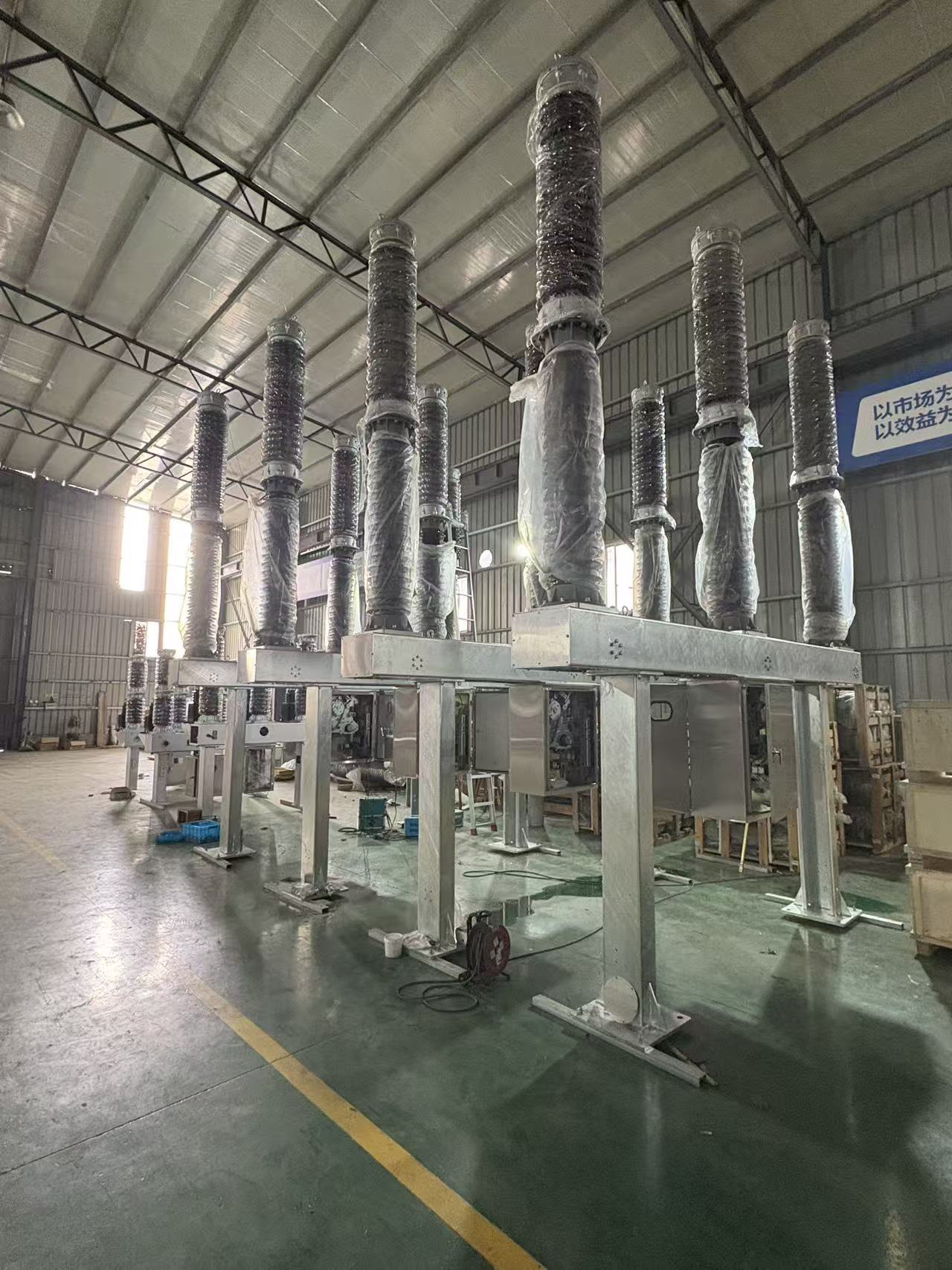
The pursuit of product longevity demands a deliberate shift away from disposable mindsets, grounding every decision in materials that age gracefully. Rather than chasing superficial durability, designers now select substrates that develop character over time—think of the way full-grain leather burnishes with use or how solid brass acquires a living patina. These choices aren't merely about resisting wear; they're about embracing change as a feature. By prioritizing materials that tell a story through their transformation, products move beyond static objects into companions that evolve alongside their owners.
Design for longevity also hinges on architecture that welcomes repair and adaptation. Components are no longer buried under layers of glue or proprietary fasteners; instead, they’re laid out with intuitive access, inviting users to replace a worn seal or upgrade a module themselves. This philosophy extends to fastening methods—threaded inserts replace one-shot snaps, and standardized screws supplant heat-staked plastic pins. The result is an object that feels less like a sealed black box and more like a well-orchestrated kit of parts, where maintenance becomes a meaningful ritual rather than a frustration.
Beyond the physical, there's an emotional resonance that comes from intentional design rhythms. Surface treatments are selected not for showroom perfection but for how they’ll feel in a decade’s time: raw wood that deepens in color, carefully chosen textiles that soften without pilling, coatings that wear away to reveal a warm base layer beneath. This deliberate pacing of aging turns entropy into elegance, ensuring that the object’s value doesn’t peak at purchase but continues to grow as it gathers the marks of a life well-used. In this light, every scratch and fade becomes a signature of authenticity, not a flaw to be hidden.
Navigating Environmental Regulations Without Compromise
Staying compliant with ever-evolving environmental laws often feels like navigating a minefield. The real challenge lies not just in understanding the statutes but in embedding sustainable practices into daily operations without sacrificing efficiency or profitability. Many businesses fall into the trap of viewing regulations as hurdles rather than opportunities to innovate, leading to costly shortcuts or reactive compliance measures that strain resources.
True success comes from treating environmental stewardship as a strategic advantage. By integrating compliance into the core business model, companies can uncover unexpected benefits—from waste reduction that saves money to process improvements that attract eco-conscious clients. It’s about building a culture where every team member, from the factory floor to the boardroom, is equipped with the knowledge and tools to make decisions that uphold both regulatory standards and the company’s bottom line.
This approach requires a shift from seeing regulations as fixed obstacles to understanding them as fluid guidelines that reward foresight. Proactive monitoring of legislative changes, investment in cleaner technologies, and transparent reporting not only mitigate risks but also strengthen relationships with regulators and the community. Ultimately, navigating environmental rules without compromise means refusing to choose between compliance and competitiveness—because the two can, and should, reinforce each other.
Custom Solutions That Align With Operational Needs
Every business has its own rhythm, a distinct set of processes that keep things moving. When off-the-shelf tools fall short, it’s not a failure of the system — it’s an opportunity to build something that actually fits. We focus on understanding the daily realities of your operations, from supply chain quirks to customer interaction flows, and then craft solutions that feel like a natural extension of your team.
Forget rigid frameworks and one-size-fits-all promises. We start by listening to the people who do the work, mapping out their pain points and aspirations. The result is a toolset that speaks your language — whether that means automating tedious data entry, simplifying complex scheduling, or building a dashboard that surfaces what actually matters to your floor managers. It’s about removing friction without forcing you to change how you operate.
This isn’t just about solving today’s headaches; it’s about staying nimble as your needs evolve. Our approach leaves room for growth, so when your business pivots, your software doesn’t become a bottleneck. You get the precision of a custom build without the usual bloat, because we believe technology should adapt to you, not the other way around.
The Value of Proactive Support and Maintenance Networks
Too often, businesses treat support as a reactive function—waiting for something to break before springing into action. But a proactive support and maintenance network transforms this dynamic entirely. It’s about anticipating issues before they disrupt operations, continuously monitoring system health, and applying updates that keep everything running smoothly in the background. This approach doesn’t just minimize downtime; it builds a foundation of reliability that lets teams focus on innovation rather than firefighting.
The real value emerges in the long-term relationships forged through consistent, forward-thinking care. When your network is engineered to spot potential bottlenecks, security gaps, or performance degradations early, you’re not just maintaining systems—you’re protecting revenue, reputation, and customer trust. Proactive maintenance turns IT from a cost center into a strategic asset, one that actively contributes to business continuity and growth.
Beyond the technical benefits, there’s a human element that often goes overlooked. Teams unburdened by constant emergency fixes have the mental space to learn, experiment, and improve. They become partners in progress rather than ticket-closers. In this environment, support networks evolve into ecosystems of shared knowledge, where insights from one client’s environment help prevent issues for others, creating a compounding advantage that reactive models simply can’t match.
Smart Integration for Evolving Grid Demands
As power grids face unprecedented shifts—from the rapid adoption of renewables to the electrification of transport and heating—traditional infrastructure is struggling to keep pace. Smart integration offers a pathway to transform these challenges into opportunities by leveraging real-time data, advanced control systems, and decentralized energy resources. It’s not merely about adding capacity; it’s about weaving intelligence into every node, enabling the grid to anticipate fluctuations, self-heal, and seamlessly balance supply with variable demand.
The core of this transformation lies in orchestration software and edge-based automation that can aggregate thousands of distributed assets—solar panels, batteries, EV chargers—into a coordinated, flexible portfolio. Rather than relying on central dispatch alone, the grid behaves like a living system, with localized decisions that collectively enhance stability and reduce strain on transmission corridors. This shift enables utilities to defer costly upgrades while unlocking new revenue streams through dynamic pricing and ancillary services.
Looking ahead, the integration journey will demand open standards and interoperable frameworks that allow diverse technologies from different vendors to communicate securely. By embedding resilience at the design stage and fostering collaboration between regulators, technology providers, and energy consumers, we can create a system that not only adapts to evolving demands but thrives amid them, turning volatility into a source of strength.
FAQ
Look beyond just the datasheet specifications. A manufacturer’s depth of experience, their in-house testing capabilities, and a transparent track record of field performance tell you much more. Verify that they perform rigorous type testing in accredited labs and can provide detailed failure mode analyses. After-sales responsiveness and the availability of local technical support often make the difference during commissioning or an emergency.
It starts with a precise short-circuit study of your network, but don’t forget to factor in future system expansions. Over-rating by a modest margin can save costly replacements later. Engage the manufacturer’s application engineers early; they can run simulations using your actual impedance data rather than relying on generic assumptions.
IEC 62271-100 is the bedrock, covering everything from dielectric withstand to mechanical endurance. However, depending on your region, IEEE C37.04 and local grid codes may also apply. Insist on full type-test reports, not just certificates, and ensure routine production tests include SF₆ gas leakage checks and contact resistance measurements.
It’s critical. Even minor contamination with moisture or air compromises dielectric strength and accelerates internal corrosion. A reputable supplier will certify gas purity to IEC 60376 and provide on-site gas analysis before filling. Ask about their handling procedures—clean gas carts, vacuum-pumping protocols, and dew-point monitoring indicate a quality-focused operation.
Ask for the mean time between failures from fleets with similar operating conditions, not just laboratory life tests. A design that has seen a decade of service across varied climates, with minimal unscheduled maintenance, speaks volumes. Also check that critical spare parts—like interrupter assemblies and operating mechanism components—remain in active production, not just warehouse stock.
This is non-negotiable now. Look for sealed pressure systems that keep leak rates below 0.1% per year, well under regulatory thresholds. The manufacturer should have a licensed SF₆ reclamation program and be transparent about their carbon footprint. Some now offer integrated gas monitoring with automatic alarms—a feature that helps satisfy both environmental agencies and your internal sustainability goals.
The mechanism determines the breaker’s operational personality. Spring-operated drives dominate in medium-voltage applications due to simplicity and low maintenance, while hydraulic mechanisms deliver the high energy needed for extra-high-voltage interrupting but demand more upkeep. Evaluate your site’s ambient temperature range and altitude—some pneumatic systems lose efficiency in extreme conditions—and weigh the long-term availability of skilled technicians for each type.
Conclusion
Selecting an SF₆ gas circuit breaker manufacturer goes far beyond comparing technical specifications on paper. Real-world performance often reveals the true resilience of a breaker under fault conditions, ambient extremes, and years of continuous service. Leading manufacturers invest in design choices that prioritize longevity—employing corrosion-resistant alloys, robust sealing systems, and optimized contact geometries that reduce wear. These material and engineering decisions are what keep maintenance intervals long and unplanned outages rare. Meanwhile, evolving environmental regulations demand careful attention to SF₆ handling and leakage mitigation, without sacrificing operational reliability. A manufacturer committed to sustainability will offer lifecycle management schemes, gas recycling programs, and alternative technologies that help utilities meet stringent targets while maintaining the high interrupting performance expected from SF₆ breakers.
Beyond the hardware, custom solutions aligned with specific grid requirements set top-tier suppliers apart. Rather than a one-size-fits-all unit, they work closely with customers to integrate protection schemes, monitoring sensors, and communication protocols that seamlessly fit into existing or future substation automation architectures. Equally critical is the post-sale support network. Rapid access to technical expertise, spare parts, and on-site service ensures that any issue gets resolved swiftly, minimizing downtime. Proactive maintenance agreements and real-time remote diagnostics can anticipate failures before they occur, transforming the manufacturer’s role into that of a reliability partner. As grids evolve to incorporate more renewables and distributed generation, the ability to smartly integrate breaker data into broader asset management platforms becomes a decisive factor. Ultimately, the chosen manufacturer should demonstrate a holistic approach: durable design, environmental stewardship, tailored engineering, and responsive service, all converging to deliver long-term value and grid stability.
Contact Us
Contact Person: Doreen
Email: [email protected]
Tel/WhatsApp: 8618057712366
Website: https://www.liugaopower.com/