

RFID Label Factory: Revolutionizing Smart Label Production
2026-05-08
Imagine a production line where every smart label is crafted with surgical precision, tracked in real time, and delivered without a single error. At the heart of this transformation is OSRFID, redefining what an RFID label factory can achieve. But what if the biggest revolution isn't just the speed or accuracy—but the doors it opens for industries you'd least expect?
Blueprint to Breakthrough: Designing the Intelligent Label
Crafting an intelligent label starts with rethinking the very purpose of packaging. It's not enough to simply display product details; the label must become a dynamic bridge between the physical item and the digital ecosystem. This means embedding sensors, conductive inks, or NFC chips that respond to their environment, allowing real-time updates on freshness, authenticity, or usage instructions. The blueprint involves selecting materials that are not only functional but also sustainable, ensuring the label can be recycled or composted without harming the smart components.
The breakthrough moment occurs when design and data converge seamlessly. Instead of static text, imagine a label that changes color if a product has been temperature-abused, or one that triggers a personalized tutorial when scanned with a phone. This shift demands close collaboration between industrial designers, material scientists, and software engineers. It's about layering interactivity without compromising the tactile or aesthetic qualities people expect. The challenge is to make the technology invisible yet indispensable, turning a simple label into a silent ally that enhances the entire user experience.
Ultimately, the intelligent label redefines trust. In a world where supply chains are opaque and counterfeiting is rampant, these labels offer a verifiable narrative—from source to shelf. By integrating tamper-proof digital identities, they provide an unbroken chain of custody. This isn't just about convenience; it's about empowering consumers with knowledge that was once locked away. The label becomes a testament to transparency, and that's where real loyalty is built.
The Pulse of Precision: Where Every Tag Tells a Story
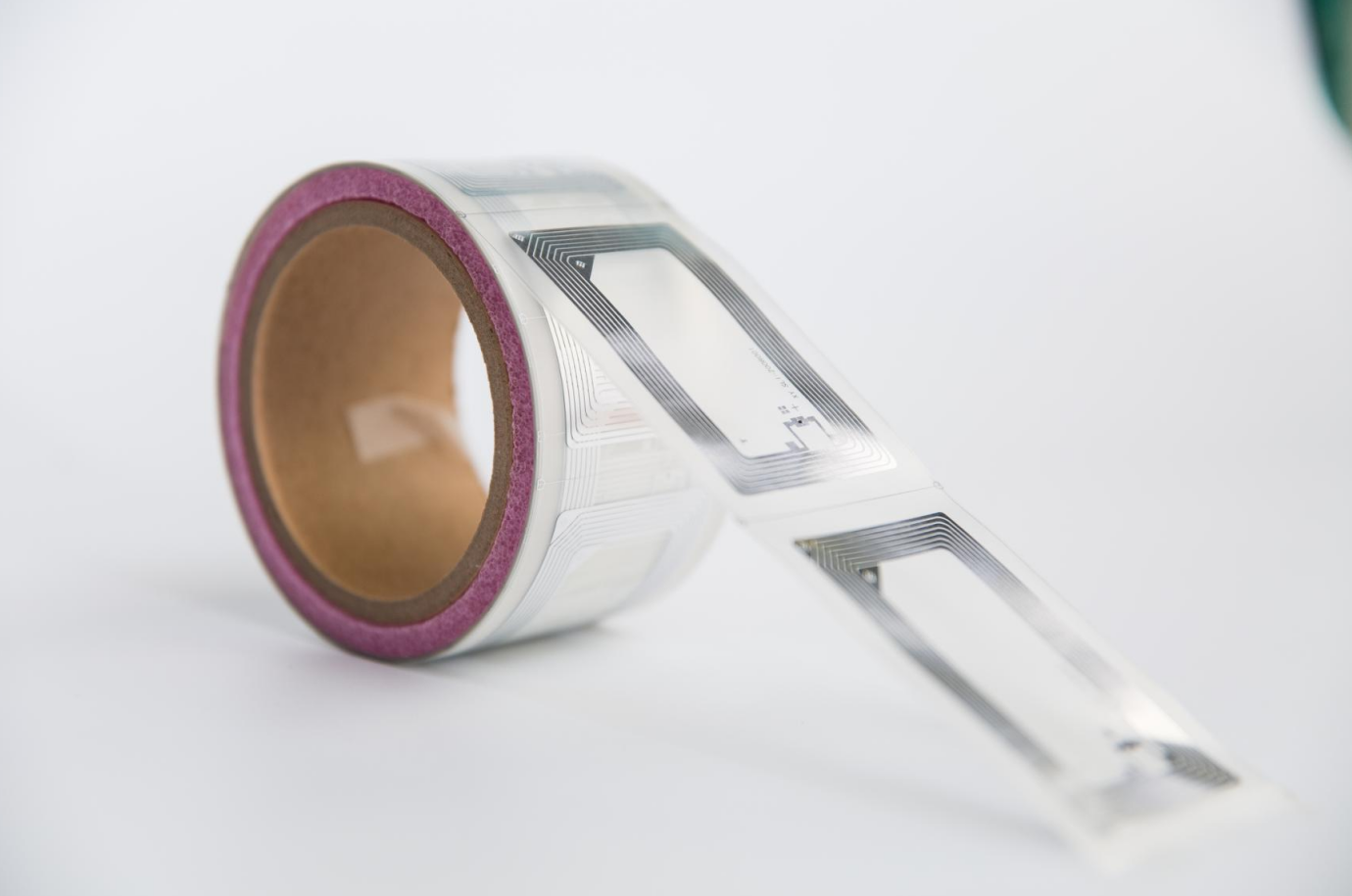
Every tag we create is a deliberate act of precision, not a routine sticker slapped on at the last minute. Think of it as a quiet pulse running through the supply chain, each beat measured and meaningful. That tiny label holds coordinates for a journey—where a thing came from, what it’s made of, how to care for it. Without that pulse, the chain goes cold; with it, every hand-off becomes a moment of clarity.
But precision alone is just a machine’s work. What we really chase is the story folded inside the numbers. A batch code might recall a rainy Tuesday when the assembly line hummed perfectly, or a material tag might whisper about the hands that picked the cotton. These aren’t romanticized fluff—they’re the real backbone of trust between a maker and the person who eventually holds the product. When a tag tells that story right, it’s not just information; it’s a quiet handshake.
Assembly Line to Airwaves: The RFID Transformation
On a busy factory floor, the journey of a single component once relied on clipboards and barcodes held up to weary scanners. Then came RFID, turning that manual chore into a silent, invisible conversation between tags and readers. Suddenly, a part moving down the assembly line could announce itself—where it had been, where it was going—without a human ever lifting a finger. This shift didn't just speed things up; it rewired the very way we think about work in motion.
But the real magic happens when that tagged item leaves the factory. The same tiny chip that whispered its identity to a reader on the line now speaks into the open airwaves, reaching antennas at loading docks, warehouse shelves, and retail floors. It's no longer just about counting parts; it's about a living, breathing inventory that updates itself as goods move through the world. The assembly line's rigid order gives way to a fluid, real-time pulse that ripples across whole supply chains.
That transformation reshapes more than logistics. When a retailer can point a handheld device at a rack and instantly know every size and color in stock, the grainy guesswork of restocking fades away. And when a hospital uses RFID to track surgical tools from sterilization to the operating room, it brings a new kind of safety into play. From factory to airwaves, this quiet tech weaves a thread of clarity through the clutter of everyday operations—turning raw data into something almost tangible: a sense of control, not just over things, but over time itself.
Smart Labels, Smarter Operations: A Factory's Evolution
Every component on the line now arrives with its own digital whisper. A tiny RFID tag, no larger than a grain of rice, carries everything from origin to torque specs. Workers no longer thumb through binders or squint at smeared inkjet codes — a glance at a tablet reveals the story of each part, updated in real time.
Down on the floor, the shift supervisor used to dread Monday mornings. Tracing which batch of raw material ended up in which pallet was a week-long headache. Now, the smart labels log every touchpoint: when a bin was opened, which machine threaded it, even the humidity exposure during storage. That traceability has flipped production from reactive firefighting to quiet confidence; defects are caught before they become downstream disasters.
The real magic happens in the quiet hum of the server room. Data from thousands of labels collates into patterns no human would spot — a slight drift in conveyor speed, a recurring pause at station seven, a whisper of wear on a cutting blade. Adjustments ripple out automatically, nudging the entire operation toward a fluid, almost organic rhythm. The factory didn’t just upgrade its labeling. It learned to listen.
Whispering Tags: The Silent Revolution in Manufacturing
Walk through a modern factory floor and you might not notice them at all—tiny, unassuming stickers or embedded chips that barely draw attention. Yet these whispering tags are quietly reshaping how things get made, tracked, and shipped. Unlike the noisy, scan-it-with-a-gun systems of the past, they chatter through radio waves, updating inventory databases and machine settings without a single human gesture. It’s a shift that feels almost invisible, but the operators on the line will tell you: the days of clipboard checks and lost pallets are fading fast.
The real magic isn’t just in the tags themselves, but in the constant hum of data they provide. Every part, bin, and tool now has a voice—albeit a silent one—that narrates its own journey through production. Managers can finally see the bottlenecks as they happen, not hours later, and machines preemptively order their own spare parts. What started as a simple anti-theft trick in retail has matured into a manufacturing companion that rarely makes the headlines, precisely because it just works. The revolution is here, but it whispers instead of shouts.
Unlocking the Invisible: How RFID Factories are Changing the Game
Walk into a modern RFID factory, and you'll quickly realize it's less about assembling tags and more about orchestrating data. Every component—from the tiniest antenna inlay to the finished smart label—moves through a carefully calibrated process where precision isn't just a goal; it's the baseline. What sets these facilities apart is their ability to transform raw silicon and conductive ink into gateways that connect physical objects to digital networks in milliseconds. It's a world where a microscopic inconsistency can make the difference between a shipment tracked seamlessly and one lost in transit, so the engineering culture here thrives on obsessive detail.
Beyond the hardware, the real innovation happens in the programming and testing bays. Here, tags are born with unique identities, capable of holding more than just a serial number—they can carry sensor data, tamper alerts, or entire provenance records. This isn't the one-size-fits-all RFID of decades past; factories now customize chip sensitivity, read range, and memory structure to suit needs as diverse as tracking surgical instruments in a busy hospital or monitoring the temperature of vaccines across continents. The shift has turned these production lines into hubs of cross-industry problem-solving, often co-developing solutions directly with logistics providers, retailers, and manufacturers.
Perhaps the quietest revolution is sustainability. Unlike early-generation tags that ended up in landfills, today's factories are engineering tags for circularity—using biodegradable substrates, designing for easy detachment before recycling, and even creating tags that deactivate on command. This redefines RFID from a single-use tracking tool into a lifecycle-aware technology, challenging the throwaway culture that once haunted the industry. As these factories continue to push boundaries, they're not just changing how we keep tabs on inventory; they're rewriting the rules of visibility in a world that demands accountability without waste.
FAQ
An RFID label factory integrates advanced radio-frequency identification technology directly into the label production line. Unlike a conventional label printer that solely applies ink or adhesive designs, this specialized facility embeds microchips and antennas into each label, effectively turning a simple sticker into a data-rich smart tag. The process involves precision placement of the chip, conductive ink printing for the antenna, and layering protective materials, all under strictly controlled conditions to ensure ultra-high reliability rates.
The revolution lies in shifting from a passive decorative label to an interactive data carrier. The factory leverages high-speed automated assembly, real-time performance testing at every single station, and AI-driven quality control to churn out millions of fully functional tags with minimal waste. This integration of electronics into a roll-to-roll printing format removes the need for separate third-party tagging, slashing both turnaround times and supply chain complexity, while allowing on-the-fly design changes without retooling.
The primary hurdles are maintaining precise antenna impedance to match the chip, handling electrostatic discharge that can fry sensitive chips, and ensuring strong adhesion between the inlay and the face stock without degrading RF performance. Solutions include laser-trimmed fine-tuning circuits, entire rooms with humidity and static control, and the use of anisotropic conductive paste that bonds only in the Z-axis. High-speed in-line testing using near-field probes instantly rejects any tag with the slightest deviation, achieving first-pass yields above 99.9%.
Consider a pharmaceutical cold chain. A passive RFID smart label logs temperature every few minutes from packing to patient, all without a battery or line-of-sight scanning. At the pharmacy, a single wand-like reader captures the entire shipment's data through the carton in seconds, verifying no excursion occurred. A barcode would require opening each box, manually scanning, and provides no historical environmental data. This intelligent label becomes a statement of product integrity.
Agile customization is achieved through modular manufacturing cells. Antenna designs are digitally printed via inkjet or screen-printed with quick-change tooling, and chip bonding heads adjust on the fly. For UHF versus HF, the factory simply switches the inlays. Even form factors like on-metal, laundry, or cable ties are produced on the same line by altering the substrate and adhesive layering. A central recipe management system downloads all parameters, allowing a lot size of one to be economically viable.
Sustainability is tackled head-on with linerless label options that eliminate siliconized backing waste, water-based conductive inks, and fully recyclable paper-based substrates without plastic lamina. Further, precision energy metering and process optimization reduce carbon footprint per label by over 40% compared to legacy methods. End-of-life programs collect spent tags to recover aluminum and silver, closing the materials loop.
The next frontier involves printing energy-harvesting add-ons like photovoltaic strips or piezo-electric layers directly on the label to power sensors. We'll also see pervasive integration of printed batteries for active-sensing labels, and the embedding of machine-learning models onto tag silicon to perform edge-based data filtering. This moves the smart label from simple ID broadcasting to a fully autonomous, sensor-driven node in the IoT ecosystem.
Conclusion
Inside the RFID label factory, a quiet transformation unfolds—one that begins long before the first tag rolls off the line. It starts with a blueprint, where engineers and designers collaborate to embed intelligence into each label, turning a simple piece of material into a gateway of data. This is where the invisible becomes tangible: every antenna trace and chip placement is meticulously calibrated, ensuring that the tag not only functions but thrives in the chaotic symphony of supply chains. The design phase is a marriage of art and science, where precision is the pulse that beats through every decision. A tag is no longer just a sticker; it’s a storyteller, carrying its own unique identity from the moment of creation. This silent revolution in manufacturing is built on the idea that even the smallest component can whisper volumes when empowered by radio waves.
As the assembly line hums, raw components are transformed into gateways of connectivity. The journey from coil winding to encoding is a dance of automation, where machines and software weave together the physical and the digital. Here, the factory itself evolves—smart labels beget smarter operations. Every tag that passes through quality checks is more than a product; it’s a node in a living network, ready to unlock transparency across industries. The airwaves become the new conveyor belt, carrying information seamlessly from the factory floor to warehouses, retail shelves, and beyond. This isn’t merely production; it’s orchestration. By turning mundane items into connected assets, the RFID factory is rewriting the rules of efficiency and insight, proving that the most profound breakthroughs often come wrapped in the humblest of packages.
Contact Us
Contact Person: Esme Mo
Email: [email protected]
Tel/WhatsApp: 0086 191 2931 7837
Website: https://www.osrfidglobal.com/