
OEM Roll Up Doors: The Ultimate Guide to Custom Industrial Solutions
2026-07-05
Every industrial facility has unique demands, and off-the-shelf doors rarely fit the bill. That’s where OEM roll-up doors come in—engineered precisely for your operational needs. In this guide, we’ll explore how custom solutions from NORTON can enhance security, efficiency, and durability. Ready to rethink your entry points?
Why Custom Roll Up Doors Outperform Off-the-Shelf Models
Custom roll up doors are built to fit your exact opening dimensions, eliminating the gaps and awkward adjustments that often come with generic sizing. This precision not only enhances the door's appearance but also improves insulation and security, as every seal sits flush against the frame. Standard models, on the other hand, are designed for a range of common sizes, which can leave subtle drafts or uneven wear over time.
Material and feature selection is another area where tailored solutions shine. Instead of settling for whatever gauge steel or finish is on the shelf, you can specify corrosion-resistant coatings, heavier-duty tracks, or even noise-dampening components that suit your specific environment—whether it's a coastal warehouse or a busy food-processing facility. Pre-made doors rarely offer that level of adaptability, forcing compromises that might shorten the door's lifespan or increase maintenance costs.
Material Breakdown: Choosing the Right Steel, Aluminum, or Insulated Core
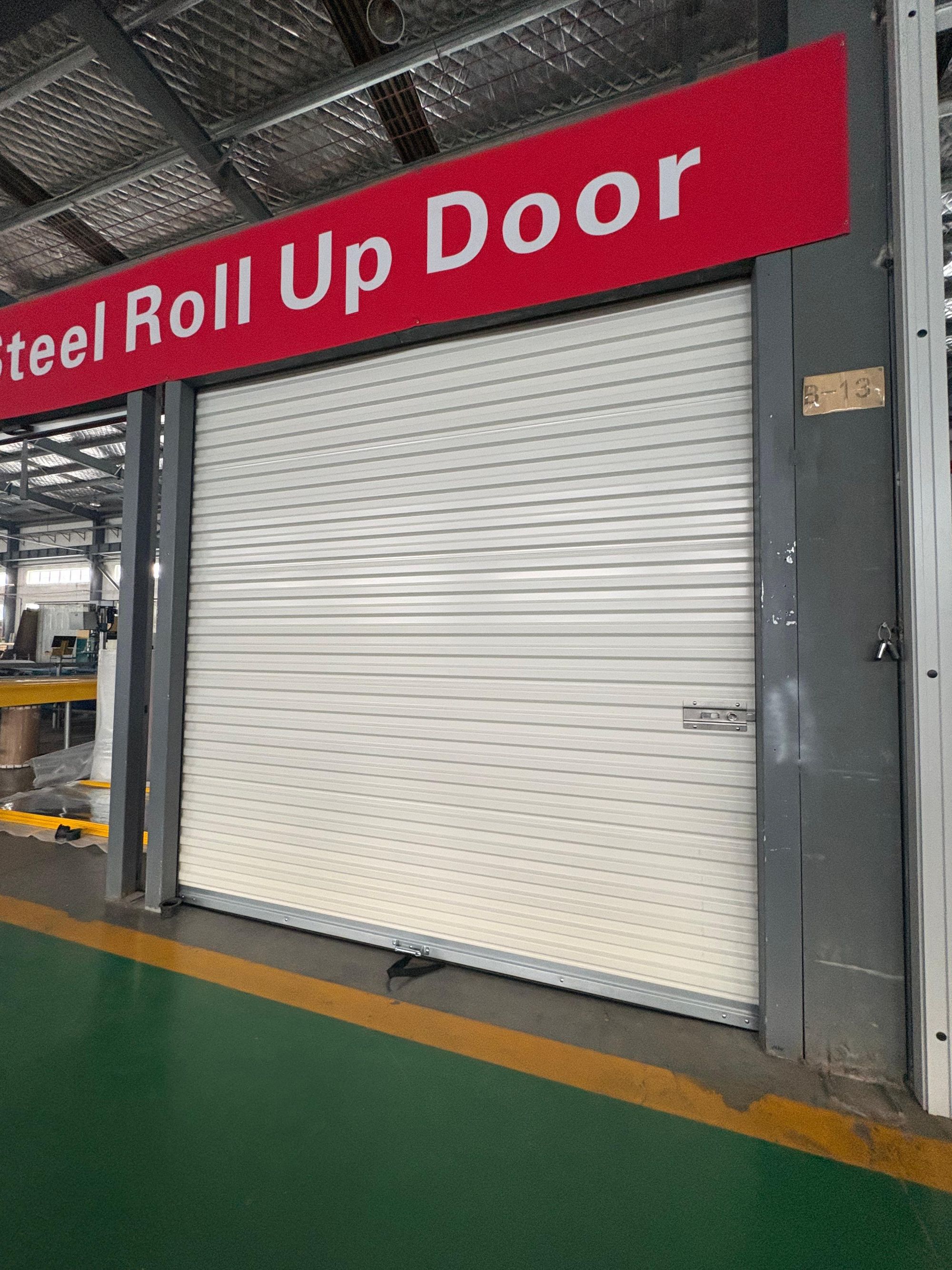
Every project comes with its own set of demands, and the material you choose sets the tone for how well your doors, windows, or panels will perform over time. It’s not just about picking something that fits the budget—it’s about matching the material’s personality to the job. Think about thermal efficiency, structural integrity, and how much maintenance you’re willing to sign up for down the road.
Steel brings serious muscle to the table, offering high tensile strength and a rigid structure that resists warping even under heavy use. It’s a natural fit for industrial settings or high‑traffic entryways where security and longevity are top priorities. Aluminum, on the flip side, is the lightweight contender—easier to fabricate and naturally corrosion‑resistant, which makes it a favorite for coastal installations or modern, slim‑profile designs. The tradeoff is that aluminum conducts heat more readily, so you’ll want to factor in thermal breaks if energy efficiency matters.
Insulated cores take a different approach altogether, addressing the weak points of both metals by layering materials like polyurethane or polystyrene between durable skins. This construction dramatically cuts heat transfer and can eliminate condensation issues that plague single‑skin metal assemblies. When climate control and quiet operation are non‑negotiable, an insulated core often outperforms solid metal options, even if the upfront cost runs a little higher. The key is envisioning how the material will behave in your specific environment years from now, not just on installation day.
Designing for Your Workflow: Custom Sizes, Colors, and Window Options
The right window configuration can reshape how you move through your space. Standard off-the-shelf sizes often force compromises—maybe you’ve lived with a too-narrow sash that blocks a view, or a color that fights your wall paint instead of complementing it. Our process starts with a conversation about how you actually use each room. Do you lean into the morning light with coffee, or need a wide, uninterrupted panorama to keep an eye on the backyard? Custom sizing lets you place windows exactly where they belong, not just where stock dimensions allow. We’ll map sightlines together, making sure the glass opens onto trellis, tree canopy, or city skyline rather than an awkward slice of neighborly brickwork.
Color is another anchor of personality that mass-produced windows rarely get right. The typical palette—white, beige, maybe a dark bronze—leaves most homes looking exactly like their neighbors. We mix our own finishes, pulling from the undertones of your existing trim, stonework, or even a favorite piece of furniture. A warm charcoal frame can ground a modern interior, while a soft sage exterior helps a cottage settle into its garden. For period homes, we’ll match historical color references without the faded, chalky look that factory powder coatings often develop after a few seasons. The goal is a frame that feels inherent to the architecture, not bolted on as a last-minute decision.
Window operation should fade into the background until you need it. Casements that swing wide for cross-breeze, double-hungs that stay put at any height, picture windows that frame a slice of horizon like a living painting—these choices shape daily rituals. Our team builds every unit to order, so you can mix and match styles within the same room. Fixed glass beside a deep awning vent, or a slender transom paired with full-height doors. Hardware, weatherstripping, and glazing are selected for the way you’ll use them, not just for spec sheets. When the design works, your windows feel like natural extensions of the wall, and operating them becomes as familiar as turning a door handle.
Safety and Security Features You Can’t Afford to Overlook
Modern vehicles pack an overwhelming array of driver aids, but some safety features genuinely earn their keep while others just inflate the sticker price. Automatic emergency braking that detects pedestrians and cyclists is non-negotiable—it reacts faster than you ever could when a child darts into the street. Likewise, adaptive headlights that pivot around curves transform nighttime driving from a guessing game into confident navigation, illuminating hazards long before standard beams would catch them.
Don't sleep on blind-spot monitoring with rear cross-traffic alert, especially if you drive an SUV with massive pillars that create hidden zones. This tech has saved countless drivers from side-swiping a car they never saw or backing into a passing vehicle in a parking lot. Lane-keeping assist is another sleeper feature; it subtly corrects drift before you even realize fatigue is setting in, reducing single-vehicle runoff crashes dramatically.
Finally, insist on a robust surround-view camera system if you navigate tight city spaces—seeing a real-time bird's-eye view of your surroundings prevents those low-speed scrapes that insurance adjusters love. And for families, rear-seat reminder technology is becoming a silent lifesaver, alerting you to check the back rows before walking away. These aren't just boxes to check on a brochure; they're the difference between a close call and a catastrophe.
Installation Insights: Ensuring a Seamless Fit in Any Facility
Every facility has its quirks, and we’ve learned that successful installation isn’t about forcing a standard solution into a non-standard space. It starts with a detailed pre-installation survey that goes beyond basic measurements. We look at traffic flow, existing infrastructure, and daily operational rhythms to map out exactly how the new system will integrate without disrupting your team’s workflow. This upfront diligence means our installers arrive prepared, not puzzled.
Modular design is often the unsung hero of adaptability. By choosing components that can be rearranged or expanded over time, you’re not just accommodating your current floor plan—you’re future-proofing against layout changes or process shifts. During install, our crews test each module’s interplay in real time, tweaking alignments and clearances until the assembly functions as if it were purpose-built for that exact spot, not just dropped in.
The final handoff is where trust gets cemented. Instead of a generic walkthrough, we provide role-specific training that speaks directly to the people who will interact with the equipment daily. Maintenance staff get cheat sheets on access points; operators learn shortcuts that suit their tasks. It’s this granular level of attention that turns a complex installation into a quiet, confident part of your operation from day one.
Long-Term Value: Maintenance Tips and Energy Savings
A well-maintained system doesn't just run smoothly today—it quietly saves you money year after year. Simple habits like checking seals and cleaning filters prevent the kind of slow degradation that quietly drives up energy bills. It’s the small, consistent actions that keep efficiency from slipping away unnoticed.
Energy savings aren't just about buying efficient equipment; they're about keeping it that way. A unit with clogged vents or dusty coils works harder, draws more power, and shortens its own lifespan. Regular tune-ups and seasonal check-ins pay for themselves by preserving peak performance without any flashy upgrades.
Long-term value comes from respecting the limits of your appliances. Overloading, ignoring odd noises, or pushing a system beyond its intended cycle leads to breakdowns that are far costlier than preventive care. Treating your equipment as a long-term investment means fewer surprises and more predictable, lower energy costs.
FAQ
OEM stands for Original Equipment Manufacturer, meaning the doors are built to a buyer’s precise specifications rather than being pulled from a standard catalog. This allows for exact fit, material selection, and integration with existing machinery or architecture, eliminating the compromises that come with one-size-fits-all products.
Custom doors address unique operational demands like oversized openings, high-cycle usage, or tight sealing requirements. They can be engineered for specific speed, insulation, or security needs, which directly improves workflow efficiency and reduces long-term costs tied to repairs or energy loss.
Materials like stainless steel, aluminum, or reinforced composites each offer distinct advantages—corrosion resistance, weight savings, or impact durability. A tailored approach ensures the door handles the facility’s exact exposure to chemicals, moisture, or abrasive particulates without premature failure.
Absolutely. Through specialized insulation, high-temperature seals, or stainless steel construction with minimal particulate shedding, OEM doors can maintain strict climate control, prevent contamination, or withstand ovens and freezers that would wreck standard doors.
It typically starts with a site assessment or detailed request for dimensions, environmental factors, and operating preferences. The manufacturer then proposes engineering drawings, material specs, and a timeline. After approval, fabrication begins, often followed by supervised installation to ensure everything aligns perfectly.
Maintenance is usually straightforward—regular track cleaning, spring tension checks, and lubrication. The advantage is that OEM providers often supply tailored maintenance schedules and replacement parts matched to the original build, preventing generic fixes that could compromise performance.
Yes, because they can be fitted with high-R-value insulation, thermal breaks, and gasketing that eliminate drafts. By minimizing air leakage around the opening, they keep heating and cooling costs down, especially in warehouses where large doors are frequently used.
Conclusion
Custom roll up doors go far beyond simply filling an opening—they adapt to the way you actually work. Off-the-shelf models often force compromises in clearance, cycle speed, or durability, whereas an OEM solution starts with your daily demands. You pick from steel for heavy-duty bays, aluminum for corrosion resistance, or insulated cores that keep the cold out and the energy bills down. Sizes are cut to the inch, finishes can mirror your brand palette, and window placements are designed around sightlines, not someone else’s template. The result is a door that feels like it was always meant to be there, not an afterthought wedged into the wall.
Safety integrations become natural when they’re built in from day one—think tamper-proof locking, beam sensors that match your traffic patterns, and fire-rated assemblies that meet local code without last-minute modifications. Installation, too, is a measured process: doors arrive pre-configured for your opening, slashing time spent on shimming or field alterations. Over the years, that upfront precision translates into fewer pinch points, quieter operation, and measurable energy savings. Maintenance doesn’t require a specialist’s intuition because the manual reads like it was written for your exact model. In the end, custom isn’t a luxury—it’s the practical choice for any facility that expects its equipment to keep pace with its ambition.
Contact Us
Contact Person: Cyril He
Email: [email protected]
Tel/WhatsApp: 8613969697307
Website: https://cqyqgd.en.alibaba.com/