

OEM Return Idler Roller Selection Tips for Reliable Conveyor Performance
2026-11-25
A conveyor line is only as dependable as the parts that keep the belt tracking true, and return idler rollers sit right at the heart of that equation. The challenge is that not all OEM options are built the same, and a poorly matched roller can quietly eat into belt life and energy costs. Rather than treating these components as an afterthought, smart maintenance teams weigh shell thickness, bearing quality, and sealing before making a call. If you are looking for a supplier that understands those demands, YUFENG offers practical guidance and quality-focused options. Here is what to consider before your next replacement.
Match the Return Idler to the Belt’s Actual Working Load
An idler that looks right on paper can still wear out early if the load figure comes from a generic table. Start with the actual tension and material weight the return side will carry hour after hour, then work backward to the bearing size, shaft diameter, and shell thickness. A heavier belt or a surge in loading changes the math quickly, so the rating needs headroom that reflects real spikes rather than a clean average.
Load is rarely spread evenly across the return strand. Edge build-up, belt curl, and uneven tension all push more force through one end of the roll, which shortens bearing life faster than a uniform calculation suggests. Choosing an idler with a stronger center tube and a bearing insert that handles misalignment keeps the roll running straight instead of transferring that stress into the bracket and frame.
It helps to check the predicted L10 life against the site’s maintenance window, not just the manufacturer’s catalog number. If the calculated life barely clears the next scheduled shutdown, move up a series or increase the bearing capacity. The small extra cost disappears next to the labor and downtime involved in changing a return idler that failed because it was sized for ideal conditions.
Bearing Seals Often Decide Whether an Idler Lasts
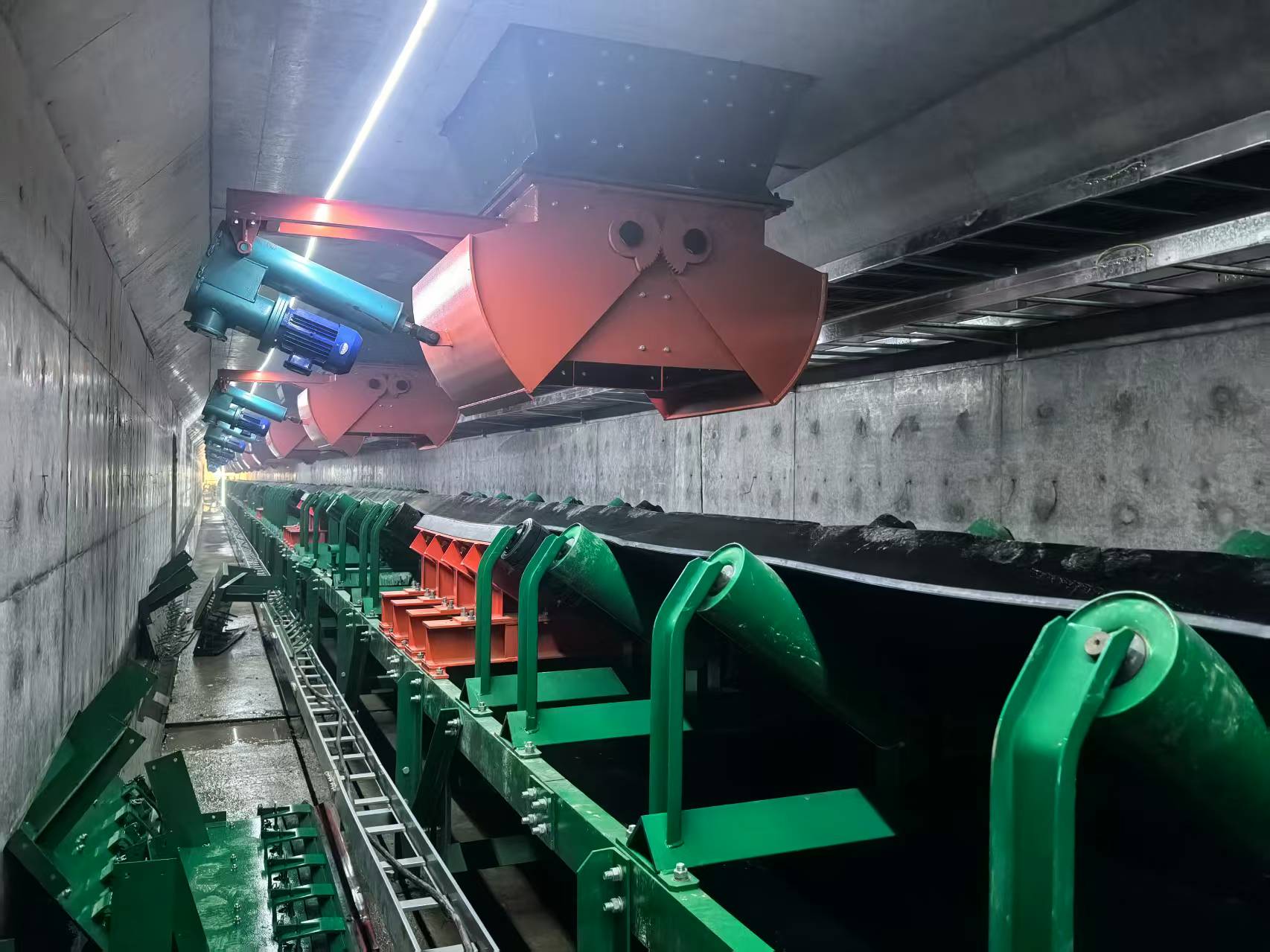
Most idler failures trace back to a single, easily overlooked component: the seal around the bearing. Grease escapes, dirt creeps in, and what began as a tiny gap turns into a seized roller within weeks. On a long conveyor, one stuck idler drags the belt, creates uneven wear, and quietly shortens the life of every splice around it.
A well-designed seal does more than block dust. It manages internal pressure as the roller heats up, keeps lubricant where it belongs, and sheds moisture without trapping condensation. Cheap felt or single-lip seals often pass a bench test but fail in the field, especially in wet, abrasive, or high-cycle environments. The real cost shows up in unplanned shutdowns rather than the purchase price.
When comparing idlers, look past the shell thickness and ask what sits between the bearing and the outside world. A triple-lip contact seal with a dust shield may cost a little more up front, but it buys years of quiet rotation. In most conveyor systems, the bearing seal is not a minor detail; it is the difference between an idler that survives and one that becomes another maintenance write-off.
Wall Thickness and Shell Runout Are Not Just Spec Sheet Details
Wall thickness and shell runout get treated as line items on an inspection report, but they shape how a vessel or rotating assembly behaves once it is bolted into place. A shell that measures within tolerance on paper can still have local thinning that shifts stress concentrations away from modeled areas, while excessive runout forces seals, bearings, and mating flanges to work against a wobble they were never designed to absorb.
The gap between nominal and as-built becomes more obvious during fit-up. Two shells from different batches may each pass individual checks, yet a slight thickness variation near the weld prep and a few thousandths of runout can leave you fighting uneven root gaps, distorted joints, or bolt holes that no longer line up without reaming. These are not dramatic failures; they are the kind of compounding mismatches that eat hours on the floor.
Recording the actual numbers, not just pass or fail, matters because patterns show up over time. If runout keeps drifting toward the high side on one machine or wall readings cluster at the low end of the tolerance, that is information you can use before the next shutdown. Waiting until the part is cleaned, painted, and ready to install is usually the most expensive time to find out the spec sheet was only half the story.
Rigid Frames and Clean Welds Keep Belts Tracking Straight
When a conveyor frame is welded with precision, the belt has a stable foundation from the start. Rigid frames resist flexing under load, which prevents the subtle misalignment that gradually pulls a belt to one side. Even small deviations in frame geometry can create uneven tension across the belt width, and that imbalance often shows up as tracking drift long before any component fails.
Clean welds contribute more than just structural strength. Splatter, sharp edges, or uneven bead profiles introduce friction points and catch points that interfere with belt movement. A smooth, well-finished joint allows the belt to glide without snagging, while a frame that stays square under load keeps pulleys and rollers in their intended alignment. This combination of rigidity and clean joinery reduces the need for constant adjustment and extends the belt's working life.
In practice, shops that invest time in proper weld cleanup and frame inspection spend far less time chasing tracking issues on the line. The belt's path is determined largely by the components it rides on, and those components can only perform well when the supporting frame holds them exactly where they belong. A rigid, cleanly welded frame is not a cosmetic preference; it is the mechanical basis for straight, repeatable belt travel.
Get Return Idler Spacing Right Before Installation Day
Return idler spacing often gets treated as a copy-paste detail, but the day of installation is the wrong time to discover the frame holes don't match your belt width or that the sag between rolls is worse than the design assumed. Walk the actual conveyor route before the crew shows up. Check every bent stringer, repaired section, and transition point, because those are the places where a 10-foot center will quietly turn into 13 feet once the brackets get adjusted on the fly.
Mark positions on the stringers with paint or a center punch rather than relying on a tape measure from memory. If the belt has a heavy splice or the return side will carry sticky carryback, tighten the spacing near loading and discharge areas even if the general layout calls for wider centers. A little extra room for clean-out and roll replacement will save more time than squeezing one more idler out of the budget.
Crown Shape and End Cap Fit Affect More Than You’d Expect
Most people pick a bottle cap based on color or logo, but the real difference shows up the moment you press down. The crown's height and the angle of its shoulder change how evenly pressure spreads across the liner. A shallower crown with a sharper shoulder tends to concentrate force near the outer edge, which can leave the center of the seal barely touched. That uneven contact is often why two caps from the same batch perform differently on the same bottle finish.
End cap fit works the same way. If the cap sits too loose, it shifts during tightening and the liner can wrinkle or fold under itself. If it sits too tight, the liner gets pinched before it ever has a chance to seat properly. Either way, you end up with a weak point that no amount of torque can fix. A good fit should let the cap glide onto the threads with just enough friction to hold its position while the liner flattens.
What surprises many people is how much this affects feel, not just seal performance. A mismatched crown or an ill-fitting end cap creates a dull, mushy stop at the end of the turn, while a well-matched pair gives a crisp, confident snap. That snap is not just satisfying, it is the physical signal that the liner has bottomed out evenly around the entire opening.
FAQ
Start with the shaft diameter and mounting style. A roller that fits the frame but uses the wrong shaft will chew through brackets or lock up under load. After that, match the shell diameter and bearing type to the belt width and tonnage, not just what is already on the shelf.
Sometimes, but dimension alone is not a true interchange. Pay attention to the bearing housing fit, seal arrangement, and shell balance. Generic rollers with looser tolerances often vibrate at higher belt speeds and wear out end brackets faster, even if they physically slide into place.
Return rolls carry the empty belt, so people assume they can be light. But on a long overland conveyor or a high-tonnage transfer area, thin shells dent quickly from belt slap and trapped material. A heavier shell keeps its roundness longer, which reduces belt wander and splice fatigue.
Look for a contact lip seal paired with an outer labyrinth or shield. That combination blocks fines while keeping grease in. Avoid open bearings or single-shield designs unless the conveyor runs indoors in clean conditions; otherwise the grease washes out and failures happen early.
Use rubber disc rolls when carryback is sticky or abrasive. The discs let material pass through instead of building up on the shell, and they cushion the belt. Flat steel rolls work fine for dry, clean belts, but they tend to cake up in clay or wet fines.
Yes. Wider spacing saves money but increases belt sag between rolls. On high-speed belts, that sag can cause tracking issues and pounding at the splices. If you are chasing belt wander or early splice failure, tightening return idler spacing near the head and tail often helps more than adding tracking devices.
Listen for squealing or rumbling at walk-by inspections, and watch for a roller that stops turning while the belt runs over it. Heat buildup, polished spots on the shell, or end caps walking outward also signal bearing trouble. Catching these early prevents a seized roll from slicing the belt cover.
If the conveyor is still under warranty or operates at high tension and speed, OEM rollers are usually the safer choice because they match the frame and design load. Aftermarket makes sense for low-speed, non-critical conveyors where you can verify the shaft, bearing, and shell specs exactly. The real risk is not brand; it is unverified substitution.
Conclusion
Return idler selection rarely comes down to a single catalog number. The first check should be the idler's load rating against what the belt actually carries in continuous operation, not just startup or peak figures. Beyond that, bearing seals tend to determine whether an idler runs quietly for years or fails early after washdown or dust exposure. Shell wall thickness and runout also matter more than they appear on paper; a thin or slightly out-of-round tube can develop flat spots and transfer vibration straight into the belt line. In many plants, these early-stage choices do more to prevent unplanned downtime than any later adjustment.
Once those basics are covered, look at the frame and fitment details. Rigid frames with clean, full-penetration welds help keep return idlers square under load, so tracking problems do not show up weeks later. Spacing needs to be settled before installation day because even a well-built idler will sag or slap if the intervals are stretched too far. Crown shape and end cap fit affect belt centering and seal alignment, which means small differences in these areas can quietly decide long-term conveyor reliability. These are not cosmetic details; they are the difference between a conveyor that holds its line and one that drifts, wears edges, and demands frequent attention.
Contact Us
Contact Person: Jayce
Email: [email protected]
Tel/WhatsApp: 8615318787602
Website: https://www.yuphengbelt.com/