

ODM Gas Dispenser Pump Buying Guide for Fuel Station Owners
2026-11-01
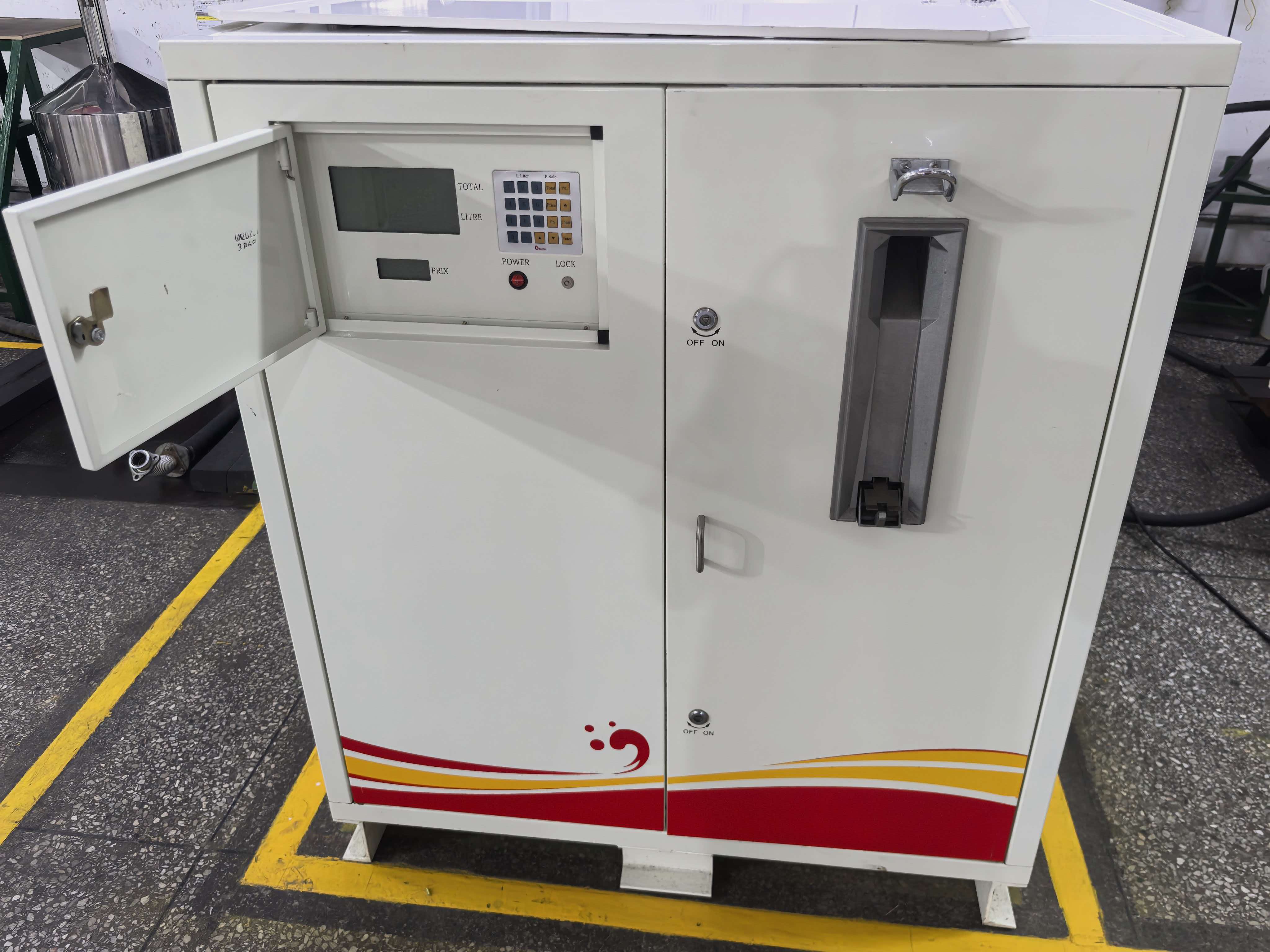
Fuel station owners rarely lose sleep over dispenser specs—until a unit fails during rush hour or a calibration issue draws a regulator's attention. If you're comparing ODM gas dispenser pumps, the real question isn't just 'which model?' but 'which manufacturer will still back you in year five?' That's where BEILIN enters the conversation. In this guide, we cut through spec-sheet noise and focus on the procurement factors that affect uptime, compliance, and total cost.
Matching Pump Flow to Peak Traffic Without Overspending
Peak traffic rarely arrives all at once, and neither should your pump investment. Instead of sizing for the absolute maximum flow you might see once a year, look at the shape of your demand curve. A pump that runs near its best efficiency point during the busiest two hours of a typical weekday will usually cost far less to buy and operate than one sized for a theoretical surge. By matching the pump's output to the highest repeatable flow—not the extreme outlier—you avoid paying for capacity that sits idle 98% of the time.
Variable frequency drives are the quiet workhorse here. Rather than forcing a fixed-speed pump to throttle against a valve, a VFD lets the motor ramp up only when traffic actually builds. This means the pump draws proportionally less power during off-peak hours, which is where most of the energy bill hides. Pair the VFD with a modestly sized impeller trim: you get the same head and flow control without oversizing the motor, and the savings compound every billing cycle.
Finally, consider staging smaller pumps in parallel. Two pumps sharing the load can cover a wider range of flows than one big unit, and you only run both when demand truly spikes. This approach keeps each pump operating closer to its sweet spot, reduces wear from constant on-off cycling, and gives you a natural backup if one needs maintenance. The upfront cost may look similar, but the operating cost over five years tells a very different story.
Checking ODM Claims Against Field-Tested Realities
ODM suppliers often cite controlled lab tests or idealized pilot runs to support their claims, but field conditions expose gaps that no datasheet can predict. In one project, a factory promised that its modular charging unit would withstand daily vibration on delivery vans, yet after three weeks of real-world routes, the mounting brackets sheared and the internal connectors loosened. The lab had simulated vibration at a single frequency, while actual roads delivered chaotic, multi-axis stress that no standardized test replicated.
Another mismatch appears in temperature tolerance. A supplier declared that its outdoor sensor node would operate from -20°C to 60°C, but field units in northern climates failed when condensation formed on the PCB during rapid thaw cycles. The claim was based on steady-state thermal chambers, not the repeated freeze-thaw transitions that real deployments face. This forced a redesign with conformal coating and a different enclosure material, adding nine weeks to the schedule.
Battery life is a third common area of overstatement. ODM estimates frequently assume a fixed duty cycle and ideal signal strength, while field devices in weak network areas burn through power retrying transmissions. A backup tracker rated for six months drained in five weeks when installed in rural depots. Only by instrumenting a pilot fleet and collecting actual current draw logs could the team negotiate a revised power budget, leading to a firmware update that tripled sleep intervals during low-activity periods.
Hidden Installation Costs That Appear After the Quote
You agree on a number, then the crew shows up and finds the wiring isn't up to code. That "minor electrical work" turns into a panel replacement and your cost jumps before any actual install begins. Contractors often treat permit fees and code corrections as separate line items, but few mention them until the job is underway.
Old homes have their own surprises. Cutting into walls reveals asbestos, mold, or plumbing that has to be moved. The quote rarely covers repairing drywall or repainting after the new system is placed, so you either live with the damage or pay another contractor to fix it.
Even straightforward installs carry cleanup and haul-away charges. The old unit, packaging, and debris don't vanish on their own, and some companies add a "disposal fee" after the fact. Ask for a line-by-line breakdown before signing, and get written confirmation that unexpected code issues are included.
Certifications That Actually Matter for Local Compliance
Local compliance rarely rewards a wall of generic certificates. What actually moves a permit application forward are credentials tied directly to the authority that inspects your site. A restaurant operator, for instance, may need a food protection manager card approved by the county health department—not just an online food handling course—plus a valid alcohol server permit if the city requires it. Builders often face the same reality: a state contractor's license opens the door, but a lead-safe renovation certificate or a local stormwater sign-off is what lets you start the actual work.
Environmental obligations catch many business owners off guard. Municipalities often require documented proof of grease trap maintenance, backflow testing, or wastewater discharge permits that national certifications never cover. It's worth pulling your local compliance checklist before spending time on training that won't satisfy the inspector. In some cases, the credential that matters most is a written approval from the fire marshal or zoning board, confirming that your intended use fits the building's existing classification.
Maintenance Intervals You Won't Find in the Brochure
The owner's manual gives you a tidy chart, but real-world wear rarely follows those neat little boxes. Brake fluid, for instance, absorbs moisture from the air regardless of mileage—if you live somewhere humid or do a lot of stop-and-go driving, swapping it every two years instead of the suggested three can save your calipers from internal corrosion. Coolant is another one: the “long-life” claim often assumes a perfectly sealed system, yet small leaks or topping up with tap water quietly degrade its anti-corrosion additives long before the odometer hits the printed interval.
Short trips are the silent killer of many maintenance schedules. An engine that never fully warms up accumulates condensation and fuel dilution in the oil, which means that 5,000-mile oil change might actually need to happen at 3,000 if your daily drive is under ten minutes. Likewise, air filters clog faster when you regularly crawl through city traffic or live near construction dust—the manual's “inspect at 30,000 miles” becomes a joke when your filter looks like a carpet sample after one pollen season.
The best approach is to treat the brochure as a starting point, not gospel. Keep a small notebook in the glovebox and jot down odd noises, rough idles, or slightly longer cranking times. Those observations, paired with a mechanic who actually looks at your parts instead of just ticking a box, will tell you more about true maintenance needs than any corporate chart ever will. A ten-dollar brake fluid tester or a quick look at your coolant's color in a clear container can reveal intervals the brochure never dared to print.
Building a Service Agreement That Survives the First Year
The first year exposes every weak assumption in a service contract. Instead of vague “best efforts,” lock down measurable turnaround times, exact deliverables, and what happens when a deadline slips. If a clause cannot be tested against a real scenario, it will not protect you when the first invoice dispute arrives.
Payment terms need more than a due date. Spell out late fees, suspension rights, and a short cure period that does not stretch into months. Also assign ownership of any custom work or assets produced during onboarding, because that is where relationships quietly sour.
Build a change control clause that requires written approval before any scope expansion. Then schedule a 90-day review to adjust pricing or turnaround based on actual volume, not the optimistic numbers from the sales conversation. That review is the difference between a contract that ages well and one that gets ignored by spring.
FAQ
ODM stands for Original Design Manufacturer. In the fuel pump world, it means a factory designs and builds the dispenser to your specifications, then lets you put your own brand on it. For a station owner, this opens the door to getting hardware that fits your site's exact layout, flow demands, and look without paying a premium for a well-known label. The real advantage is flexibility: you can request tweaks to the display, nozzle count, or cabinet finish while still buying from a maker who handles the engineering and compliance groundwork.
Start with your daily traffic mix. If you mainly serve passenger cars, standard 40-50 liters per minute nozzles are usually enough. For truck stops or fleet fueling, you'll want higher-flow options and possibly separate diesel lanes with larger hoses. Count peak-hour vehicles to estimate simultaneous fill-ups, then choose a dispenser with enough nozzles and independent metering to avoid queues. Don't overlook hose length and breakaway couplings—short hoses frustrate drivers, while overly long ones cause wear and tripping hazards.
At minimum, look for ATEX or IECEx certification for explosive atmospheres, plus local metrology approval for trade use—weights and measures compliance is non-negotiable if you sell fuel by volume. Ask for certificates covering the entire dispenser, not just components. Also check that the manufacturer follows ISO 9001 for quality management and can provide third-party test reports for the flow meter, electronics, and hose assembly. Without these papers, you risk failing inspections, insurance issues, or even forced shutdowns.
The upfront price is often lower because you're not paying for a global brand's marketing and middlemen. But hidden costs can eat that savings fast if you're not careful. Shipping and import duties, local certification testing, spare parts inventory, and technician training all add up. Some factories quote a bare-bones unit that lacks a proper display, payment module, or vapor recovery system—adding those later costs more than ordering them built-in. Always get a full landed-cost breakdown before comparing quotes.
A trustworthy ODM partner should provide a clear spare parts list with part numbers, expected wear intervals, and a regional stocking plan or fast-shipping promise. Ask for a service manual written in English, not just a translated brochure, and check whether they offer remote diagnostics or on-site training for your technicians. Beware of suppliers who disappear after the sale—request references from other station owners who have run the same model for at least two years, and confirm that wear items like nozzles, belts, and filters are standard components rather than proprietary oddballs.
Mostly yes, but you need to verify this before signing. Most modern dispensers use standard protocols like IFSF or TCP/IP for forecourt controllers, and payment terminals usually talk through MDB or a simple serial interface. Ask the ODM factory which protocols their electronics board supports and request a demo video or test report showing integration with a third-party point-of-sale or tank gauge system. If your current system is older or custom-built, expect some integration engineering—factor that time and cost into your purchase decision.
Several signs spell trouble. If the factory cannot produce valid certificates for the exact model you're buying, stop immediately. Vague answers about flow meter accuracy or calibration procedures are another warning. No physical address or verifiable export history, pressure to pay 100% upfront through an unusual channel, and refusal to allow a video tour of the production line all suggest a fly-by-night operation. Also be cautious if the price is dramatically lower than every other quote—quality and safety rarely survive deep discounting.
Conclusion
Owners shopping for ODM dispensers often start with the glossy flow-rate numbers, but the real decision should begin at the forecourt during rush hour. A unit rated at 50 liters per minute might struggle to push 30 once dirty filters, long hose runs, and cold fuel come into play. Instead of trusting supplier claims, ask for field data from stations with similar traffic, or rent a demo unit and run it through a full peak period. Meanwhile, dig into what the ODM actually builds versus what it rebrands—some factories inflate specs in the brochure, and the only way to know is to visit a reference site or request tear-down samples. Hidden installation costs are the next trap: concrete pads, electrical upgrades, piping retrofits, vapor recovery tie-ins, and calibration fees often double the headline price. Get a line-by-line installation quote before signing, and include a clause for on-site commissioning tests.
Certifications deserve more than a quick logo check. Local compliance usually demands specific metrological approvals, explosion-proof ratings, and environmental certifications for vapor containment—not just a generic ISO 9001. Ask your local weights-and-measures authority which marks they accept, and verify the serial-numbered certificate matches the exact model. Maintenance intervals are the quiet budget killer. Filters clog, seals harden, and meters drift faster than any brochure admits, especially with high ethanol blends or humid climates. Plan for quarter-yearly filter checks and annual calibration if you want to avoid customer disputes over short fills. Finally, a service agreement that survives year one needs realistic logistics: guaranteed response within 24 hours, local spare parts stock, and a fixed price for first-year preventive maintenance. Don't accept a vague “we’ll support you” promise—write down who pays for travel, what happens if a pump is down over a holiday weekend, and how software updates are handled.
Contact Us
Contact Person: Jason
Email: [email protected]
Tel/WhatsApp: 8615876017548
Website: https://www.bei-lin.com/