
Mobile Food Trailer Ideas: Custom Designs for Your Business Success
2026-04-04
Imagine rolling into your city's food scene with a mobile trailer that not only serves exceptional cuisine but also catches every eye on the street. In today's competitive market, a custom-designed food trailer isn't just a business vehicle; it's your brand's mobile ambassador, a testament to creativity and entrepreneurial spirit. From sleek, modern aesthetics to cozy, rustic vibes, the possibilities are endless for crafting a space that reflects your culinary vision and draws in curious customers. At Oriental Shimao, we specialize in turning these ideas into reality, blending innovative design with practical functionality to help your venture thrive. Get ready to discover how custom designs can propel your business toward success and set you apart in the bustling world of street food.
Explore Innovative Layouts for Your Mobile Food Trailer
Imagine stepping into a mobile food trailer where every inch of space is cleverly crafted to enhance both efficiency and customer experience. Innovative layouts can transform a standard setup into a dynamic kitchen on wheels, allowing you to maximize workflow and minimize clutter. By incorporating features like fold-out countertops, multi-functional storage, and ergonomic station placements, you can create a seamless operation that impresses patrons and boosts your daily output. It's all about thinking beyond traditional designs to accommodate your unique menu and service style.
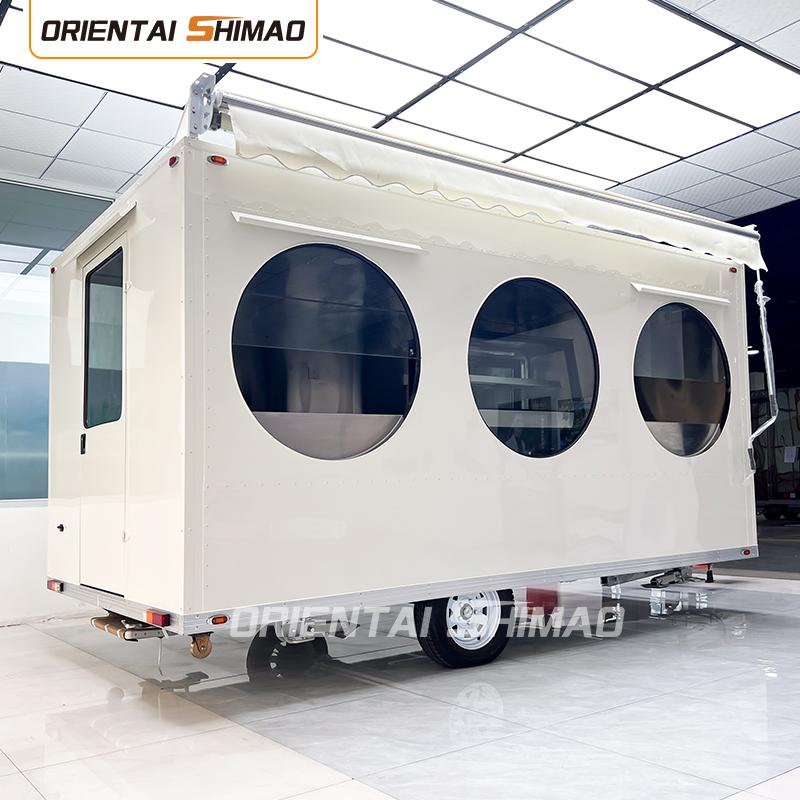
Consider how a well-planned layout can drastically improve safety and accessibility in your food trailer. For instance, integrating dedicated zones for prep, cooking, and serving helps prevent cross-contamination and reduces staff movement, making it easier to maintain hygiene standards. Adding elements like sliding shelves or retractable awnings can adapt your space for different weather conditions or events, ensuring you're always ready to serve, no matter the environment. These thoughtful touches not only comply with regulations but also build trust with customers who value a clean, organized setup.
To truly stand out, focus on customizing your layout to reflect your brand's personality and menu offerings. Play with colors, materials, and lighting to create an inviting atmosphere that draws people in—think of using reclaimed wood for counters or LED strips for mood lighting. Incorporating tech-friendly features, such as built-in charging stations or digital menu displays, can cater to modern expectations and streamline ordering. By blending practicality with creativity, you'll design a mobile food trailer that isn't just functional but also memorable, setting you apart in a competitive market.
Design Custom Interiors to Boost Operational Efficiency
When you think about improving operational efficiency, it's easy to focus on software upgrades or process changes, but the physical environment plays a surprisingly powerful role. Designing custom interiors that align with your team's workflow can dramatically reduce wasted time and enhance productivity. Imagine a workspace where tools are within easy reach, lighting adjusts to reduce eye strain, and collaborative zones are intentionally separated from quiet focus areas—these thoughtful design choices can streamline daily tasks, minimize distractions, and foster a more engaged workforce.
Tailoring interior layouts to specific operational needs means going beyond generic open plans or cubicle setups. For example, in a manufacturing setting, a custom design might involve optimizing floor space to shorten material transport paths, reducing physical strain on workers and speeding up production cycles. In an office, smart zoning can group related departments together, cutting down on unnecessary movement and improving communication flow. This proactive approach ensures every square foot contributes directly to smoother operations, making the environment an active partner in achieving business goals rather than just a passive backdrop.
Beyond layout, elements like ergonomic furniture, acoustic treatments, and even color psychology can influence efficiency. A well-designed interior anticipates human factors, such as reducing noise pollution to enhance concentration or using calming colors to lower stress levels during high-pressure tasks. By integrating these custom details, businesses can create spaces that not only boost operational metrics—like faster turnaround times or fewer errors—but also enhance employee well-being, leading to sustained performance gains. Ultimately, investing in a purpose-built interior is a strategic move that transforms how work gets done, delivering tangible benefits that ripple across the entire organization.
Craft Eye-Catching Exteriors to Attract More Customers
Transform your storefront into a visual magnet that draws in passersby with curiosity and excitement. By thoughtfully integrating bold colors, unique architectural elements, and engaging signage, you can create an exterior that stands out in any neighborhood. This initial impression not only sparks interest but also sets the stage for a memorable customer experience, encouraging more foot traffic and spontaneous visits.
Consider how lighting and landscaping can enhance your exterior's appeal after dark or during different seasons. Thoughtfully placed spotlights can highlight key features, while seasonal decorations or lush greenery add warmth and personality. These subtle touches make your business feel inviting year-round, turning casual observers into loyal patrons who appreciate the attention to detail.
Embrace creativity by incorporating local art, interactive displays, or thematic designs that resonate with your brand's story. A distinctive facade not only attracts new customers but also fosters community engagement, making your location a landmark rather than just another shop. This approach builds a strong visual identity that people remember and share, naturally boosting your visibility without relying on generic marketing tactics.
Select Smart Equipment for Consistent Food Quality on the Go
When you're constantly on the move, whether it's for business trips, outdoor adventures, or a hectic daily schedule, maintaining consistent food quality can feel like a distant dream. You might find yourself relying on pre-packaged meals or fast food, which often lack the freshness and nutritional value you crave. That's where smart equipment steps in – it transforms the way you handle food preparation and storage, ensuring that every bite is as good as the last, no matter where you are. By leveraging technology, these devices take the guesswork out of cooking and preserving meals, giving you the freedom to enjoy homemade-like quality without being tied to a kitchen.
So, what makes smart equipment so essential for achieving consistent food quality? It's all about precision and control. Imagine having a portable sous-vide cooker that regulates temperature to within a fraction of a degree, guaranteeing perfectly cooked proteins every single time, whether you're at a campsite or a hotel room. Or consider smart thermoses and food containers that monitor internal conditions, adjusting temperature and humidity to keep your salads crisp and your soups hot for hours on end. These tools aren't just gadgets; they're reliable partners that adapt to your environment, ensuring that your meals never suffer from the inconsistencies that often come with travel.
Ultimately, choosing the right smart equipment is about empowering your lifestyle. It's not just about convenience – it's about creating a seamless experience where quality food becomes a consistent part of your journey. From compact smart blenders that mix ingredients precisely to app-connected slow cookers you can control remotely, these innovations let you prepare, store, and enjoy delicious meals with minimal effort. So, whether you're a busy professional or a wanderlust-driven explorer, investing in such tools means saying goodbye to bland, unpredictable meals on the go and embracing a world where great taste and nutrition always travel with you.
Incorporate Brand Elements for Memorable Customer Experiences
Blending brand elements into customer interactions transforms ordinary moments into memorable experiences. By weaving logos, colors, and slogans into every touchpoint, from website design to in-store ambiance, businesses create a cohesive identity that resonates emotionally with customers, leaving a lasting impression beyond just transactions.
Tailoring these elements to specific contexts, such as personalized packaging or themed events, adds depth and relevance, making experiences feel more authentic and engaging. This approach not only strengthens brand loyalty but also encourages customers to share their stories, amplifying your presence organically through word-of-mouth.
Ultimately, it’s about crafting moments that people remember and cherish, turning casual interactions into cherished memories that keep them coming back for more.
Optimize Space and Flow for Seamless Service at Events
Imagine an event where guests move effortlessly between food stations, bars, and entertainment, without those awkward bottlenecks that disrupt the vibe. Crafting this smooth experience starts with smart spatial design, which goes beyond just fitting everything in. It's about mapping out attendee journeys to ensure high-traffic areas, like entry points and restrooms, are easily accessible and don't clog up with lines. By strategically placing key service zones, such as catering or information desks, in open, central locations, you create natural pathways that keep the energy flowing and prevent congestion, making every interaction feel effortless and engaging.
To really nail the flow, consider the rhythm of the event itself. For instance, during cocktail hour, crowd movement tends to be more fluid, so having multiple, smaller service points can spread people out and reduce wait times. Later, as guests settle for dinner, a more focused layout with clear sightlines to stages or speakers ensures no one misses a moment. Incorporating flexible elements like movable partitions or modular furniture allows for quick adjustments on the fly, adapting to real-time needs without interrupting the schedule. This dynamic approach not only enhances service efficiency but also adds a layer of polish that attendees notice and appreciate.
Don't overlook the behind-the-scenes logistics either; they're crucial for that seamless feel. Dedicated staff pathways should be separate from guest areas to keep service discreet and swift, avoiding those clumsy collisions with trays. Using digital tools, like crowd analytics or real-time monitoring apps, can provide insights into peak traffic times, letting you proactively shift resources or open additional stations. Ultimately, optimizing space and flow is about anticipating needs before they arise, creating an environment where everything just clicks—guests enjoy themselves more, and your team delivers top-notch service without the usual hustle and bustle.
FAQ
Consider incorporating bold graphics that reflect your cuisine, like a vibrant mural for a Mexican street food truck, or interactive elements such as a window display that customers can customize with toppings.
Use unconventional materials like reclaimed wood for a rustic feel, or incorporate kinetic elements like a rotating sign or LED lighting that changes colors to attract attention in crowded areas.
Opt for a layout with easy-access storage compartments and sliding counters to maximize workspace, along with durable, easy-clean surfaces like stainless steel to speed up service and maintenance.
Yes, focus on high-impact details like unique paint jobs or decals to save on costs, and consider DIY upgrades such as installing solar panels for energy efficiency, which can also serve as a marketing point.
Integrate elements that tell your brand's origin, such as using family recipes displayed on the exterior or incorporating local art that ties into the community, making the trailer feel authentic and engaging.
Ensure designs include proper ventilation systems for cooking, non-slip flooring for wet conditions, and accessible emergency exits, all while adhering to local health codes to avoid fines and ensure customer safety.
Strategic lighting, such as warm LEDs for a cozy ambiance or spotlights to highlight food displays, can improve visibility at night and create an inviting atmosphere that encourages longer stays and repeat customers.
Conclusion
Mobile food trailers thrive when their design is tailored for both functionality and customer appeal. Explore innovative layouts that maximize every inch of space, ensuring smooth operations even in tight event settings. Custom interiors should focus on boosting operational efficiency, with smart equipment selections that maintain consistent food quality on the go, allowing for reliable service no matter the location. By incorporating brand elements throughout the trailer, from the layout to the tools used, businesses create memorable customer experiences that foster loyalty and repeat visits.
Crafting eye-catching exteriors is crucial for attracting more customers in competitive markets, as a visually appealing design can stand out at fairs, festivals, or street corners. Optimizing space and flow ensures seamless service, reducing wait times and enhancing the overall customer journey. Combining these aspects—innovative layouts, efficient interiors, striking exteriors, smart equipment, brand integration, and streamlined operations—results in a mobile food trailer that not only succeeds in business but also becomes a memorable destination, driving long-term success through custom designs that cater to specific needs and market demands.
Contact Us
Contact Person: Jack Wang
Email: [email protected]
Tel/WhatsApp: 8618306483516
Website: https://www.orientalshimaofoodtruck.com