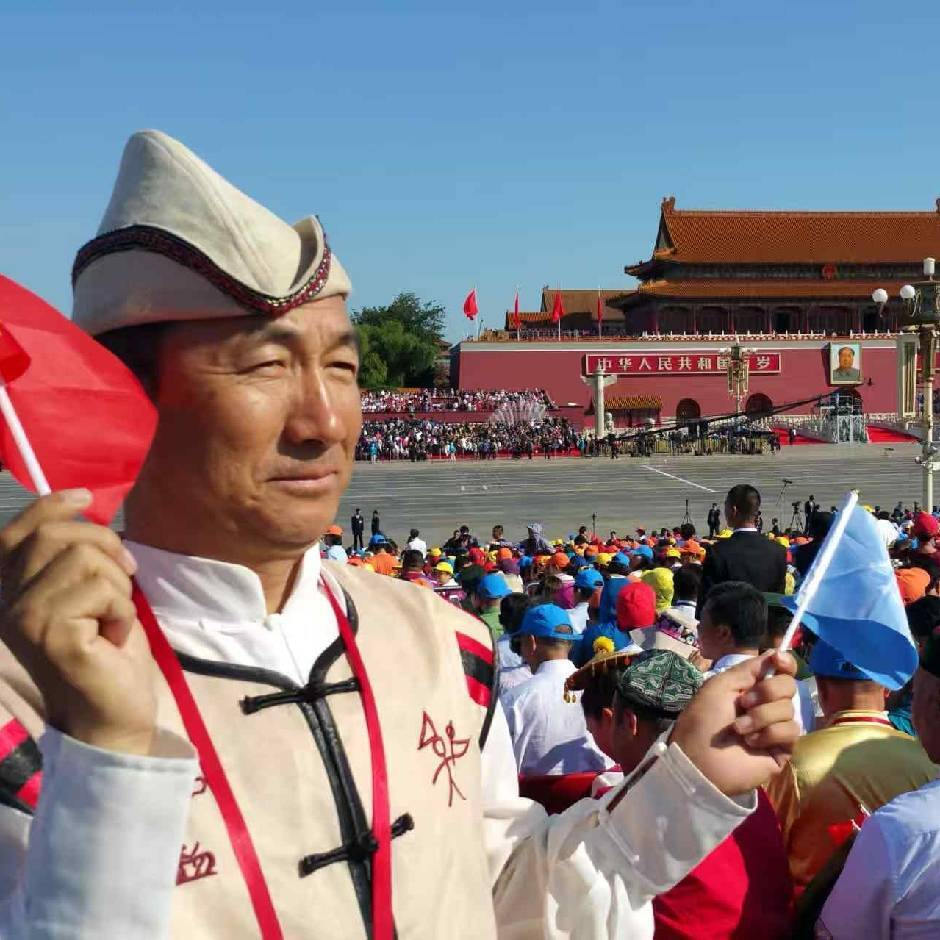

Lijiang Cultural Experience: Immersive Traditions in China's Ancient Town
2026-08-04
Stepping into Lijiang's ancient town feels like walking into a living canvas where centuries-old traditions hum gently beneath cobblestone lanes and wooden eaves. Among its hidden gems, Jade Water Village offers a rare, unfiltered encounter with Naxi culture—where the scent of pine mingles with the rhythm of folk songs, and every corner tells a story waiting to be discovered. This is not just a visit; it’s an immersion into a world where heritage breathes, and time slows just enough for you to feel its pulse. Here’s what makes this cultural journey unforgettable.
Dawn Chants and Incense: A Morning at a Naxi Family Temple
Before the first rooster crows over the cobbled lanes of Lijiang, the elder of the family temple lights a bundle of pinewood incense. The smoke spirals into the rafters, blending with the low murmur of Dongba chants that seem to rise from the very earth. Each syllable is a thread in a living link to the ancient Naxi ancestors, and as the sun breaches the Jade Dragon Snow Mountain, the courtyard fills with an otherworldly stillness that holds you spellbound.
The chanting is not a performance; it's a conversation with the spirits. Staccato rhythms beat against the bronze bells and yak horns, while wrinkled hands turn fragile pages of pictographic scriptures. No one is in a hurry. The ritual unfolds at a pace set by decades of devotion, inviting even a passing visitor to fall into the rhythm of a morning that feels suspended outside of time.
Then the incense thickens, the chanting swells, and the boundary between the mundane and the sacred blurs. In that moment, you understand that this is not merely a relic of folklore—it is a breathing, weeping, dancing act of identity. The Naxi don't just remember their heritage; they wake it up every morning, with smoke and song.
Weaving the Past: Hands-on with Lijiang's Traditional Textiles
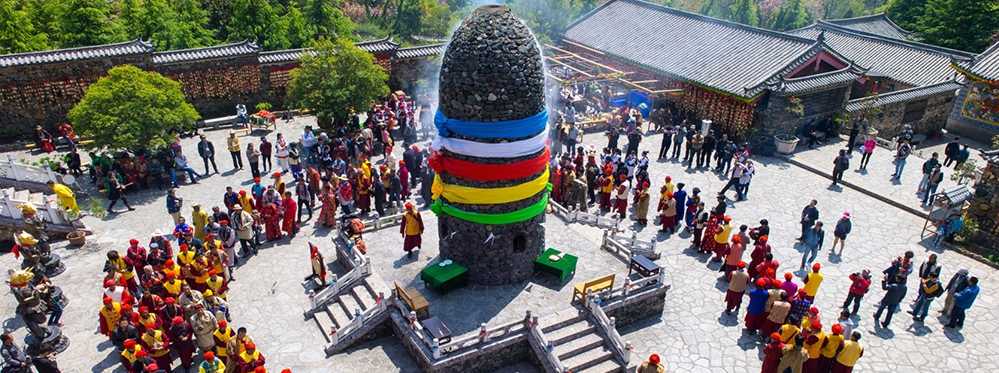
In the ancient alleyways of Lijiang, the rhythmic clatter of wooden looms echoes through cobblestone streets, a sound that has persisted for centuries. Here, the Naxi people weave more than just fabric—they intertwine stories of migration, myth, and daily life into every thread. Sitting beside a master weaver, you feel the rough hemp and smooth silk slip through your fingers as you learn to pass the shuttle back and forth. It’s a slow, meditative process that immediately connects you to generations of artisans who have practiced this craft since the Tang Dynasty.
The textiles themselves are a language of symbols. Motifs like the frog, representing fertility and rain, or the butterfly, signifying longevity and joy, emerge gradually on the loom. Natural dyes derived from local plants—indigo, madder root, and walnut husks—produce the deep blues, rusty reds, and warm browns that mirror the surrounding landscape. Under the patient guidance of Naxi women, whose hands move with an almost unconscious precision, you begin to understand how a simple piece of cloth can encode an entire worldview. Each pattern is a memory, a prayer, or a map of the soul.
This hands-on encounter goes beyond a typical workshop. You’re not just making a souvenir; you’re stepping into a living tradition that has survived conquests and modernization. The loom becomes a time machine, and as your fingers fumble with the heddles, you gain a profound respect for the skill required to produce the intricate wedding blankets, ceremonial sashes, and everyday garments still worn in the nearby villages. By the time you hold your own modest creation—a small, unevenly woven band—you carry with you a tactile memory of Lijiang’s heritage, woven by your own hands.
Echoes of the Tea Horse Road: Horseback Through Timeworn Villages
The trail unwinds beneath the hooves like an ancient scroll, each stone a syllable of the long journey that once bound Yunnan to Tibet. Riding through these high valleys, you’re not just crossing terrain but stepping onto a path carved by generations of muleteers. The air smells of pine and distant snowmelt, and somewhere between the rhythms of the horse’s gait, the landscape reveals itself—not as scenery, but as living memory. Stone bridges over rushing streams appear almost by instinct, their arches worn smooth by centuries of caravans passing under monsoon rains and constant sun. Here, the road doesn’t just lead somewhere; it remembers.
Villages emerge slowly from the mist, their wooden houses leaning into each other like old friends sharing secrets. Shaxi, with its weathered cobblestone square, still holds the echo of a thousand bargains struck over brick tea and salt. You dismount and walk where horses once rested, feeling the quiet pulse of daily life that continues with little fanfare: a woman weaving baskets on a doorstep, the sound of a blacksmith’s hammer from a dim workshop. There’s a hospitality here that asks no questions—a bowl of noodles offered, a shared silence. These aren’t museum pieces; they’re homes, stubbornly alive, carrying on traditions that the road once brought and time has gently worn into ritual.
As the day fades, the light turns the mountain walls into deep amber and purple, and the true measure of the journey settles in. From horseback, you see things differently—the way a prayer flag frays slowly in the wind, the deliberate pace of an old man carrying firewood, the intricate carvings on a temple gate that no photograph could capture. This isn’t a ride through a forgotten past, but a present layered with all its yesterdays. The Tea Horse Road is no longer a thoroughfare of empire, but for those who travel it slowly, it becomes a conversation between the living and the land, a quiet reminder that some paths are meant to be felt, not conquered.
Culinary Secrets of the Naxi: A Cooking Journey in a Courtyard Kitchen
Tucked away from Lijiang's bustling lanes, a weathered wooden door opens into a sun-dappled courtyard where the real Naxi cuisine comes alive. Here, cooking is less about measured recipes and more about instinct—passed down through hushed stories and calloused hands. The matriarch, her indigo apron dusted with flour, shows you how to fold baba bread with a rhythm that feels more like a lullaby than a lesson. Each slap of dough on the worn stone counter tells of harvests, high-altitude winds, and a stubborn pride in simple things done right.
A clay pot burbles over an open fire, releasing the earthy scent of wild-foraged mushrooms and yak butter—a combination that might sound improbable until you taste it against the mountain-crisp air. You learn that Naxi secret ingredients aren't exotic imports, but patience and proximity: a handful of just-picked mint from the courtyard's edge, a smear of fermented bean paste that's been ripening in a dark cupboard since last spring. The kitchen is small, cluttered with hanging copper ladles and baskets of purple potatoes, yet somehow everything is within arm's reach. There's no frantic chopping, no timers, just the gentle guidance of a grandmother whose eyes smile even when her words are few.
As you sit cross-legged on a low stool, shredding bright greens with your fingers the way she demonstrated, the boundary between guest and family begins to blur. The meal that comes together—steamed trout wrapped in lotus leaves, a fiery salad of tree moss and chili, pink-tinged rice wine poured from a chipped ceramic jar—doesn't feel like a performance. It's an afternoon that meanders, seasoned with laughter over mispronounced Naxi words and the courtyard cat weaving through everyone's legs. By the time you wash your hands in the copper basin by the door, you've absorbed not just techniques, but a quieter understanding: that food is memory, and here, memory tastes like this—rooted, unpretentious, and deeply, quietly alive.
Lanterns and Legends: An Evening Walking Tour of Shuhe's Hidden Alleys
As dusk settles over Shuhe, the hidden alleys begin to whisper with the glow of hand-painted lanterns. Away from the main square’s bustle, these narrow lanes hold centuries of Naxi tales—each lamp flickering as if to keep the old stories alive. Wander past weathered wooden doors and mossy courtyards, where locals once gathered to spin yarns of love, loss, and mountain spirits under the same warm light.
The evening tour winds deeper into the labyrinth, tracing the path of the ancient tea caravans. You’ll hear how lanterns were not just practical beacons for travelers but symbols of protection, often inscribed with charms. Your guide might pause at a quiet corner to recount the legend of the Moon Sister, a weaver whose sorrow still echoes through the cobblestones, or point out a courtyard where a famous scholar once composed poetry by lamplight, inspired by the flickering shadows.
By the end of the walk, the interplay of light and legend feels like a secret shared only with those who venture off the map. The alleys themselves seem to breathe, their walls holding the hum of centuries. It’s an intimate, sensory journey—one where every step uncovers a fragment of Shuhe’s soul, far from the ordinary tourist trail.
Music of the Mountains: Learning the Ancient Naxi Orchestra's Melodies
In the stone-paved lanes of Lijiang's old town, the sound of silk strings and wooden clappers drifts through courtyards where time seems to pause. This is the music of the Naxi people, a tradition said to have survived centuries because the mountains themselves guard it. Learning to play it isn't a matter of mastering scales or reading scores—elders teach by ear, passing down rhythms that mimic wind through pine forests and the echo of horse caravans on narrow trails. Each note carries the weight of a landscape, shaped by isolation and devotion.
The orchestra relies on instruments rarely seen elsewhere: the erhu with its snakeskin resonator, the pear-shaped pipa, and bamboo flutes that wail like mountain birds. Newcomers spend their first months simply listening, sitting cross-legged on worn benches while the old masters close their eyes and let muscle memory guide their hands. There's no rush to perform—a melody might take years to ripen, only considered ready when it feels less like recreation and more like breathing.
What makes this music truly distinct is its stubborn refusal to change. While other folk traditions adapted to stages and tourists, the Naxi orchestra kept its agrarian pulse—the tempo of planting, the pause of harvest. Young players today don't just inherit a repertoire; they absorb a way of hearing the world, where every stream and ridge has a counterpart in sound. To learn these melodies is to map the mountains through vibration, a cartography of the ear that no written note can fully capture.
FAQ
It's a living museum where Naxi traditions thrive, from the ancient Dongba script to the iconic wooden architecture and flowing canals.
Absolutely. The Torch Festival and Sanduo Festival are vibrant events where you can join dances, music, and rituals alongside Naxi locals.
Dongba is the indigenous religion of the Naxi people. You can visit the Dongba Culture Museum or try a workshop on pictographic writing to get hands-on insight.
Yes, dishes like baba bread and yak hot pot are widely available. Many family-run eateries even offer cooking classes using age-old recipes.
You can learn tie-dye techniques in nearby villages or watch silversmiths fashion intricate jewelry right in the old town's workshops.
Many courtyard homes have been converted into guesthouses, offering a chance to sleep in beautifully preserved buildings and share tea with local hosts.
Lijiang was a key trading post, so you'll find a blend of Tibetan, Bai, and Han influences in everything from architecture to the local music.
The nearby Jade Dragon Snow Mountain and Lashi Lake offer sacred landscapes where Naxi traditions are tied to nature, with options for horseback treks or pilgrimage hikes.
Conclusion
The day begins before sunrise in Lijiang, with the soft murmur of Naxi chants drifting through the wooden beams of a family temple. Incense curls upward as elders offer morning prayers, a ritual largely unchanged for centuries — and here, visitors don't just watch, they're welcomed into the quiet solemnity. Later, in a sunlit workshop, fingers learn the rhythms of a backstrap loom, threading local wool into patterns that whisper stories of the mountains. By midday, the courtyard kitchen becomes a classroom of aromas: crushing Sichuan peppercorns, fermenting the iconic Naxi flatbread, and simmering yak meat stew, all under the guidance of a grandmother whose laughter fills the space as much as the steam.
Afternoon carries a different pace — hooves on cobblestone as you ride along segments of the ancient Tea Horse Road, passing through villages where time seems folded into the terraced fields. The clip-clop echoes against stone walls worn smooth by centuries of caravans. Come evening, the focus shifts to sound and light. In a modest hall, the gongs and bowed strings of the Naxi orchestra come alive under patient instruction; even clumsy hands can coax a haunting note from a centuries-old instrument. Then, lanterns are lit, and Shuhe's hidden alleys turn into a labyrinth of shadow and legend. A local guide shares tales of star-crossed lovers and wandering spirits, their words mingling with the distant laughter from courtyard homes. The night air carries the scent of pinewood fires, sealing the day's journey into memory.
Contact Us
Contact Person: Changhong He
Email: [email protected]
Tel/WhatsApp: 086-0888-5190152
Website: https://vip.e-baixing.com/ysh