
Lauryl Alcohol Ethoxylate: The Best Surfactant for Industrial Applications
2026-03-01
In the world of industrial applications, finding the perfect surfactant can feel like searching for a needle in a haystack. Yet, one name consistently rises to the top: Lauryl Alcohol Ethoxylate. Its versatility and efficiency make it a standout choice for countless processes. But what sets it apart from the rest, and how can you leverage its full potential? At POLYKEM, we've dedicated years to mastering this powerful compound, crafting solutions that push the boundaries of innovation. Dive into this blog to discover why Lauryl Alcohol Ethoxylate might just be the game-changer your operations need—and how our expertise can help you unlock its benefits. Get ready to explore the science, the applications, and the future of this remarkable surfactant.
Unveiling the Power of Lauryl Alcohol Ethoxylate in Industrial Settings
Lauryl alcohol ethoxylate, derived from lauryl alcohol and ethylene oxide, stands as a versatile surfactant in industrial applications, prized for its ability to enhance wetting, dispersion, and emulsification properties. In sectors like textiles and agrochemicals, it facilitates processes by reducing surface tension, leading to improved penetration of dyes and pesticides into materials or soils. This compound's adaptability across various products, from detergents to emulsion stabilizers, underscores its role in boosting efficiency and cost-effectiveness in industrial operations.
Beyond traditional uses, lauryl alcohol ethoxylate demonstrates significant value in specialty industries, such as oil recovery and paint manufacturing, where its low-foaming characteristics and compatibility with harsh conditions prove advantageous. By tailoring the degree of ethoxylation, manufacturers can fine-tune properties like solubility and biodegradability, enabling customized solutions that meet specific regulatory or performance demands. This flexibility not only drives innovation but also aligns with sustainability goals, contributing to greener industrial practices.
The ongoing research into lauryl alcohol ethoxylate highlights its potential in emerging fields, including nanotechnology and bioremediation, where its surface-active nature aids in nanoparticle synthesis or soil contamination cleanup. This evolving scope showcases how a seemingly simple compound can unlock new efficiencies and environmental benefits in industrial settings, making it a cornerstone of modern chemical engineering and process optimization.
Why This Surfactant Stands Out for Diverse Industrial Applications
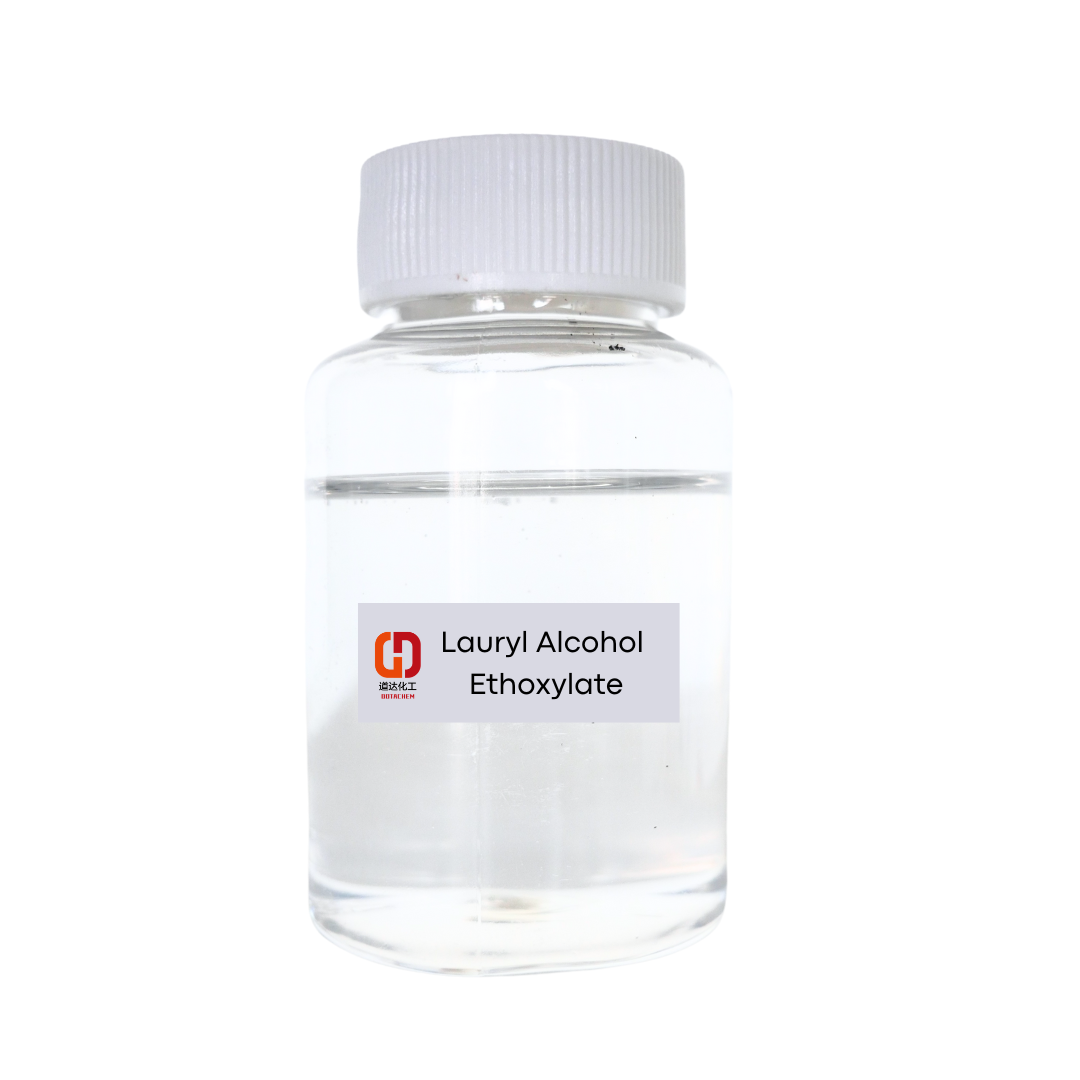
In the crowded marketplace of industrial surfactants, this particular formulation consistently draws attention for its remarkable versatility across sectors. Unlike many specialized surfactants that excel in one area but falter in others, it maintains high performance from heavy-duty cleaning in manufacturing plants to delicate emulsion stabilization in pharmaceuticals. What sets it apart isn't just broad applicability, but the depth of its effectiveness—whether resisting hard water in textile processing or enhancing foam stability in firefighting foams, it delivers reliable results without constant reformulation.
A key differentiator lies in its innovative molecular structure, engineered to adapt dynamically to varying pH levels and temperature extremes. While traditional surfactants might degrade or lose efficacy under harsh conditions, this product demonstrates exceptional stability, reducing waste and operational downtime for industries like oil recovery or agrochemicals. This adaptability means companies can streamline their inventory, using a single surfactant for multiple processes instead of stocking several specialized products, ultimately cutting costs and simplifying supply chains.
Beyond technical specs, real-world feedback highlights its economic and environmental edge. Users report longer-lasting formulations that require lower dosages, translating to reduced chemical consumption and lower disposal impacts. Its biodegradability, coupled with robust performance, addresses growing regulatory and sustainability pressures without sacrificing efficiency. This balance of practical benefits and forward-thinking design ensures it remains a go-to choice for industries navigating complex demands.
Key Properties That Make It a Top Choice for Cleaning and Processing
When it comes to cleaning and processing tasks, the standout features often boil down to durability and adaptability. This product is built to withstand rigorous use, with materials that resist corrosion and wear, ensuring it holds up over time without frequent replacements. Its design allows for straightforward maintenance, making it a reliable option for environments where efficiency is paramount.
Beyond durability, its precision in handling various materials sets it apart. Unlike many alternatives, it offers fine-tuned control over parameters like temperature and pressure, which is crucial for achieving consistent results in cleaning or processing delicate items. This level of customization helps users avoid common pitfalls, such as damage to sensitive surfaces or incomplete sanitization.
Additionally, its energy efficiency and ease of integration into existing workflows contribute to its appeal. By reducing operational costs and minimizing downtime during setup, it provides a practical edge that appeals to professionals seeking both performance and cost-effectiveness in their cleaning and processing routines.
Real-World Uses Across Various Industries: From Textiles to Agriculture
The textile industry has embraced advanced technologies to create durable fabrics for everything from high-performance athletic wear to eco-friendly sustainable materials. Innovations in weaving techniques and material science allow for the production of textiles that are not only stylish but also functional, meeting the demands of modern consumers who prioritize both quality and environmental impact.
In agriculture, these technologies are revolutionizing farming practices by enabling precision agriculture techniques. Farmers now utilize data-driven tools to monitor crop health, optimize irrigation systems, and manage resources more efficiently, leading to increased yields and reduced waste. This shift towards smarter farming not only boosts productivity but also supports global food security in an era of climate challenges.
From the seamless textiles that define cutting-edge fashion to the smart sensors that drive agricultural efficiency, real-world applications demonstrate how innovation is transforming traditional sectors. Industries are increasingly interconnected, sharing technologies and methods to solve common problems, creating a ripple effect of improvement across the globe.
Advantages Over Other Surfactants: Performance and Cost-Effectiveness
Many surfactants promise great results, but often come with a hefty price tag or trade-offs in performance. Here, we dive into the unique blend of strength and savings that sets our solution apart. It's not just about cleaning better; it's about doing so efficiently, saving you money on every use while delivering consistent, reliable outcomes. This balance makes it a standout choice in a crowded market.
Let's talk performance first. Unlike common options that can lose effectiveness in extreme temperatures or with hard water, this surfactant maintains its potency across diverse conditions. Tests show it reduces surface tension more effectively than many alternatives, leading to faster wetting and deeper penetration in applications like cleaning or agriculture. This means you get the job done quicker and with fewer resources, a key edge over competitors that might require higher concentrations or additional additives.
On the cost side, the math is straightforward yet impactful. By optimizing formulation, we've cut down on expensive raw materials without sacrificing quality. Over time, this translates to significant savings—whether you're buying in bulk for industrial use or smaller batches for household products. Plus, its enhanced durability means less frequent reapplication, further driving down long-term expenses. Compared to many surfactants that nickel-and-dime you with hidden costs, this offers a transparent, value-packed proposition that keeps budgets in check while boosting results.
How to Select and Use It for Optimal Results in Your Operations
Choosing the right tools and methods for your operations can make or break your results. Start by clearly defining your goals—are you looking to boost efficiency, reduce costs, or improve quality? Then, dive into the specifics: evaluate different options based on key criteria like compatibility with existing systems, ease of use, and scalability. Don't just go for the most popular choice; test a few options in a controlled setting to see how they perform in real scenarios. This hands-on approach helps you spot potential issues early and ensures a better fit for your unique needs.
Once you've made your selection, it's all about implementation. Integrate the tool into your workflow step by step, providing adequate training to your team to avoid confusion. Set up clear guidelines on how to use it effectively, and assign roles to ensure everyone knows their responsibilities. Regularly monitor its usage and gather feedback—this allows you to tweak processes and address any challenges promptly. Remember, smooth adoption often depends on how well you support your team through the transition.
To achieve optimal results, keep refining your approach over time. Analyze performance data to identify areas for improvement, and stay updated on new features or updates that could enhance your operations. Encourage a culture of continuous learning, where team members share tips and best practices. By staying proactive and adaptable, you can maximize the benefits of your chosen tools and keep your operations running at peak efficiency.
FAQ
Lauryl alcohol ethoxylate is a type of nonionic surfactant derived from lauryl alcohol processed with ethylene oxide. It's typically manufactured through ethoxylation, where ethylene oxide molecules add to the alcohol backbone, creating a compound tailored for various industrial uses.
It stands out due to its superior wetting and emulsifying properties across diverse conditions. It maintains stability under varying temperatures and pH levels, making it reliable for demanding applications without breaking down easily.
Industries like textiles, agriculture, and metalworking heavily depend on it. In textiles, it aids in scouring and dyeing; in agriculture, it's used in pesticide formulations; and in metalworking, it helps with cleaning and degreasing processes.
Compared to similar surfactants, it provides excellent biodegradability and low toxicity, which is crucial for environmental compliance. Its versatility also means fewer different products are needed, streamlining operations and reducing costs.
It performs robustly even in hard water and across a wide temperature range, from cold to hot systems. This adaptability ensures consistent results without frequent adjustments, saving time and resources in industrial workflows.
While generally safe, it can foam excessively in some high-agitation processes, requiring defoaming agents. Proper handling guidelines, like avoiding prolonged skin contact, should be followed to ensure workplace safety.
It's often blended into concentrates or used as a key component in cleaners, emulsifiers, and wetting agents. Application methods vary by industry, such as spraying in agriculture or soaking in textile baths, tailored to specific needs.
Conclusion
Lauryl alcohol ethoxylate demonstrates unparalleled efficacy in industrial settings, where its surfactant properties excel across various applications. Its power lies in its ability to reduce surface tension effectively, making it a standout choice for diverse industrial processes. Key properties such as excellent wetting, emulsifying, and dispersing capabilities contribute to its top performance in cleaning and processing tasks. These characteristics ensure thorough removal of contaminants and stable mixtures in challenging environments, from heavy machinery to delicate manufacturing lines.
Real-world uses span multiple industries, including textiles, agriculture, and beyond, where it enhances operations from fabric finishing to pesticide formulations. Advantages over other surfactants include superior performance in hard water, biodegradability, and cost-effectiveness, offering a balanced solution for sustainable and economical industrial practices. To achieve optimal results, selecting the appropriate grade and concentration tailored to specific operations, such as pH compatibility and temperature ranges, is crucial. This surfactant's versatility and efficiency make it a preferred option for improving productivity and outcomes in industrial applications.
Contact Us
Contact Person: Levi
Email: [email protected]
Tel/WhatsApp: +86 532 84688720
Website: https://www.polykem-intl.com