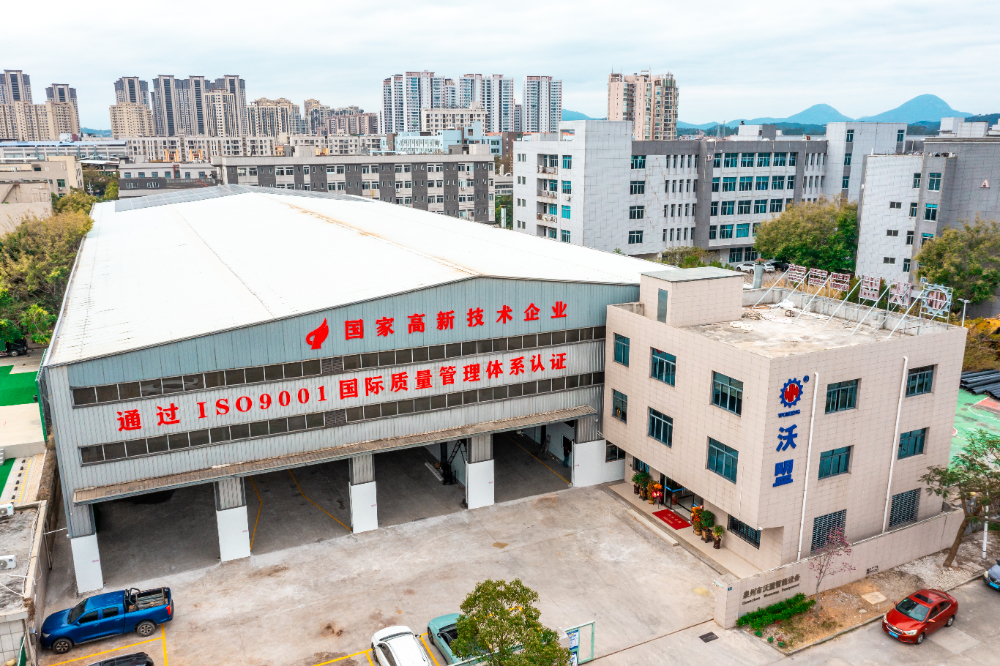

High-Speed Sanitary Pad Manufacturing Machines: Boosting Efficiency in Feminine Hygiene Production
2026-03-06
When you think about feminine hygiene, you might picture the final product—soft, discreet, and essential. But have you ever wondered about the incredible machinery that makes it all possible? In a world where efficiency and quality are paramount, high-speed sanitary pad manufacturing machines are revolutionizing the production of feminine hygiene products. At Womeng, we're proud to be at the forefront of this innovation, crafting technology that boosts output without compromising on safety or comfort. This blog dives into how these advanced machines are transforming production lines, from reducing waste to enhancing precision, and why it matters for the future of feminine care. Join us as we explore the hidden marvels behind your everyday essentials—stay tuned to discover how Womeng is shaping a faster, smarter, and more responsive industry.
Introduction to Modern Sanitary Pad Production Technology
Advancements in sanitary pad production have come a long way from traditional methods, incorporating cutting-edge technologies to enhance comfort, absorbency, and sustainability. Modern manufacturing often involves high-speed automated assembly lines where materials like superabsorbent polymers (SAP) and breathable non-woven fabrics are precisely layered. These innovations not only improve performance but also minimize environmental impact through reduced material usage and biodegradable options.
One standout aspect is the integration of smart sensors and quality control systems that monitor every step of production. From ensuring consistent adhesive application to detecting defects in real-time, these technologies guarantee that each pad meets stringent hygiene and safety standards. This focus on precision helps manufacturers respond quickly to consumer demands for hypoallergenic and skin-friendly products.
Beyond functionality, recent trends emphasize eco-conscious designs, such as pads made from organic cotton or compostable materials. By leveraging advanced techniques like ultrasonic bonding instead of chemical adhesives, producers are creating pads that are not only more effective but also align with growing sustainability values. This holistic approach sets modern production apart, blending efficiency with ethical considerations to meet diverse global needs.
Key Components of High-Speed Manufacturing Equipment
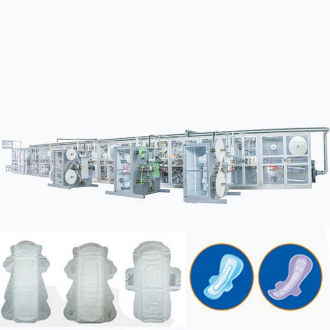
One of the core elements driving efficiency in high-speed manufacturing equipment is the integration of advanced servo motors and precision actuators. These components are engineered to deliver rapid, accurate movements with minimal latency, enabling machines to perform complex tasks at breakneck speeds. For instance, in automated assembly lines, such motors ensure that robotic arms can pick, place, and weld components with sub-millimeter accuracy, drastically reducing cycle times and boosting overall throughput. This level of precision is crucial in industries like electronics, where tiny parts require swift handling without compromising on quality.
Another vital aspect is the utilization of high-performance control systems, often based on real-time computing and artificial intelligence. These systems monitor and adjust operational parameters on the fly, optimizing processes to prevent bottlenecks and minimize downtime. By analyzing data from sensors embedded throughout the equipment, they can predict maintenance needs or detect anomalies before they escalate into costly failures. This proactive approach not only enhances reliability but also allows for smoother, continuous production runs, giving manufacturers a competitive edge in fast-paced markets.
Additionally, robust structural designs and heat management solutions play a pivotal role in sustaining high-speed operations. Equipment must withstand intense mechanical stresses and thermal loads without degrading over time. Innovations in materials, such as lightweight alloys and composite coatings, help reduce wear and tear while dissipating heat efficiently. Coupled with advanced cooling systems, these features ensure that machinery can maintain peak performance over extended periods, supporting the relentless demands of modern manufacturing without sacrificing longevity or safety.
Technological Innovations for Enhanced Production Speed
In today's fast-paced market, leveraging technological innovations is key to ramping up production speed. By integrating automation and smart systems, companies can streamline workflows and slash lead times significantly. For instance, advanced robotics now handle repetitive tasks with precision, allowing human teams to focus on complex problem-solving and quality control. This shift not only accelerates output but also reduces errors, ensuring products meet high standards without delay.
Another game-changer is the rise of real-time data analytics and IoT devices. These tools provide instant insights into production lines, enabling proactive adjustments to eliminate bottlenecks before they impact schedules. Imagine sensors monitoring equipment performance around the clock, predicting maintenance needs and preventing unplanned downtime. This predictive approach keeps operations running smoothly, cutting idle time and boosting overall efficiency.
Additive manufacturing, or 3D printing, also revolutionizes speed by enabling on-demand production and rapid prototyping. Gone are the days of waiting weeks for custom parts; now, designs can be printed in hours, allowing for faster iterations and quicker market entry. Coupled with AI-driven design optimization, this technology reduces waste and accelerates the entire development cycle, giving businesses a competitive edge in delivering new products swiftly.
Quality Control Measures in Automated Pad Manufacturing
In automated pad manufacturing, quality control starts with precise material inspection. Advanced sensors and imaging systems scan incoming raw materials like foam and fabrics for inconsistencies in thickness, density, or composition, ensuring only top-grade inputs enter the production line. This initial check minimizes defects that could propagate, enhancing overall product reliability and performance.
During the assembly process, real-time monitoring systems play a crucial role. Automated machines are equipped with cameras and pressure sensors that continuously assess parameters such as seam integrity, adhesive application, and pad shape. Any deviations from set standards trigger immediate alerts, allowing for quick adjustments or machine shutdowns to prevent faulty batches, which boosts efficiency and reduces waste.
Post-production, rigorous testing ensures finished pads meet safety and comfort standards. In a final inspection phase, automated rigs simulate real-world use by applying force and measuring durability, while random sampling undergoes manual checks for aesthetics and feel. This dual approach guarantees that every pad leaving the factory is both robust and user-friendly, balancing automation with human oversight for optimal quality.
Environmental and Sustainability Features of Modern Machines
Modern machines are increasingly designed with a focus on eco-friendly operations and resource efficiency. This shift is driven by both regulatory pressures and consumer demand for sustainable options. For example, advanced manufacturing equipment often incorporates energy-saving technologies like variable-speed drives, which adjust power consumption based on workload, reducing electricity use by up to 30% compared to older models. These improvements not only lower operational costs but also contribute to a smaller carbon footprint, making them a smart choice for industries aiming to meet green targets.
Additionally, sustainability in modern machines extends to material selection and lifecycle management. Many manufacturers now prioritize recyclable or biodegradable components, such as using aluminum alloys or bioplastics in machine casings. This approach minimizes waste during production and at end-of-life disposal, aligning with circular economy principles. For instance, some agricultural machinery is built with modular parts that can be easily replaced or upgraded, extending the machine's life and reducing the need for complete replacements, which in turn cuts down on resource extraction and landfill contributions.
Another key aspect is the integration of smart systems that enhance environmental monitoring and control. With IoT sensors and AI, modern machines can optimize their own performance in real-time, such as adjusting fuel injection in engines to reduce emissions or managing coolant flow in cooling systems to conserve water. This proactive maintenance helps prevent inefficiencies and pollution, ensuring that machines not only meet but exceed sustainability standards. By combining technological innovation with ecological awareness, these features set a new benchmark for responsible industrial practices.
Cost Efficiency and ROI for Manufacturers
For manufacturers, achieving cost efficiency goes beyond just trimming expenses—it's about strategically optimizing processes to maximize returns. By leveraging advanced technologies like IoT sensors and predictive maintenance tools, companies can reduce unexpected downtime and minimize waste, leading to significant savings on materials and labor. This proactive approach not only cuts operational costs but also enhances product quality and customer satisfaction, ultimately driving a higher return on investment (ROI) by turning efficiency into a competitive advantage.
In today's competitive landscape, ROI isn't merely a financial metric; it reflects how well manufacturers adapt to market demands. Investing in automation and AI-driven analytics can streamline supply chains and production lines, resulting in faster turnaround times and lower per-unit costs. Over time, these improvements compound, allowing businesses to reinvest savings into innovation or expansion, thereby creating a sustainable cycle of growth. Manufacturers who prioritize this balance between cost control and value creation often see quicker paybacks and stronger long-term profitability.
Ultimately, cost efficiency and ROI are intertwined goals that require a holistic view of operations. By fostering a culture of continuous improvement and data-driven decision-making, manufacturers can identify hidden inefficiencies and capitalize on opportunities. Whether it's through energy-efficient machinery or optimized logistics, each step towards greater efficiency contributes directly to the bottom line, proving that smart investments today yield robust returns tomorrow.
FAQ
They typically include advanced automation for fast production, precise material cutting and shaping, integrated quality control sensors, and user-friendly interfaces for operators to monitor efficiency.
By enabling continuous operation with minimal downtime, reducing material waste through precision engineering, and allowing faster output to meet high demand, which lowers overall production costs.
They are designed to process a variety of materials such as absorbent core fibers, non-woven topsheets, leak-proof backsheets, and adhesives, ensuring consistency and high-quality end products.
Yes, manufacturers often offer customizable settings for pad size, shape, and thickness, along with adjustable features for specific branding or functional requirements, making them versatile for diverse market needs.
Regular cleaning to prevent material buildup, routine checks on moving parts for wear, software updates for optimal performance, and trained personnel to handle repairs ensure long-term reliability and efficiency.
They often incorporate energy-efficient motors, reduce scrap material through precise cutting, and support the use of eco-friendly materials, helping manufacturers minimize environmental impact while maintaining high output.
Common safety measures include emergency stop buttons, protective guards around moving components, automated shutdowns for malfunctions, and compliance with industry standards to protect operators from accidents.
Many models are designed for modular integration, with adaptable connections and software compatibility, allowing seamless addition to current setups without major overhauls, thus saving time and resources.
Conclusion
Modern sanitary pad production has been revolutionized by advanced manufacturing technologies that dramatically enhance efficiency in the feminine hygiene industry. The introduction of high-speed production lines integrates cutting-edge machinery with precision engineering, allowing manufacturers to meet growing global demand while maintaining strict quality standards. By incorporating key components like automated feeding systems, high-precision cutting tools, and rapid sealing mechanisms, these machines streamline the entire manufacturing process from raw material handling to final packaging. This technological evolution not only increases output but also ensures consistent product performance, making modern production facilities more responsive to market needs and consumer expectations.
Beyond speed, innovations in these machines emphasize sustainability and cost-effectiveness, addressing both environmental concerns and economic viability. Advanced quality control systems, including real-time monitoring and automated defect detection, maintain high product integrity while reducing waste. Environmental features such as energy-efficient motors, recyclable material compatibility, and reduced water usage align with global sustainability goals. For manufacturers, the return on investment is significant, with reduced labor costs, lower energy consumption, and minimized downtime contributing to long-term profitability. Together, these aspects create a competitive edge, enabling businesses to deliver safe, reliable products efficiently while supporting ecological and financial objectives in a dynamic industry landscape.
Contact Us
Contact Person: Jessie Lai
Email: [email protected]
Tel/WhatsApp: 86-188594442931
Website: https://www.wm-machinery.com