

Grain Oriented Electrical Steel Factories: Powering Modern Electrical Innovations and Manufacturing
2026-04-17
In the heart of modern electrical innovation and manufacturing, grain-oriented electrical steel plays a pivotal role, quietly powering everything from transformers to cutting-edge appliances. At Jiangsu Baowu New Materials, our factories are at the forefront of producing this essential material, driving the efficiency and sustainability of electrical systems worldwide. This blog delves into how our advanced manufacturing processes and commitment to quality help shape the future of electricity. Join us as we explore the fascinating world of grain-oriented electrical steel and its transformative impact on technology and industry.
The Role of Grain Oriented Steel in Advancing Electrical Efficiency
Grain oriented steel isn't the flashiest material in electrical engineering, but it's a quiet powerhouse that's transforming how we harness electricity. By carefully aligning its crystal grains during manufacturing, this steel dramatically reduces core losses in transformers—those pesky energy drains that add up over time. Imagine a world where transformers hum along with minimal waste, cutting down on both costs and carbon footprints; that's the tangible impact this material delivers daily in power grids and industrial applications.
What sets grain oriented steel apart is its ability to channel magnetic flux with remarkable efficiency, thanks to its oriented grain structure. Unlike conventional steels that scatter energy, this material directs it precisely, enabling transformers to operate at higher efficiencies without bulky designs. This isn't just a marginal upgrade; in large-scale systems, it translates to millions of dollars saved in energy expenses and a significant reduction in greenhouse gas emissions, making it a key player in the push toward greener energy solutions.
Looking ahead, as renewable energy sources like solar and wind become more integral, the demand for efficient power transmission will only grow. Grain oriented steel is stepping up to this challenge, with ongoing innovations refining its properties to further minimize hysteresis and eddy current losses. By enabling smarter, more responsive electrical systems, it's not just advancing efficiency—it's paving the way for a future where our energy infrastructure is both robust and sustainable.
Innovative Manufacturing Processes for High-Performance Steel Production
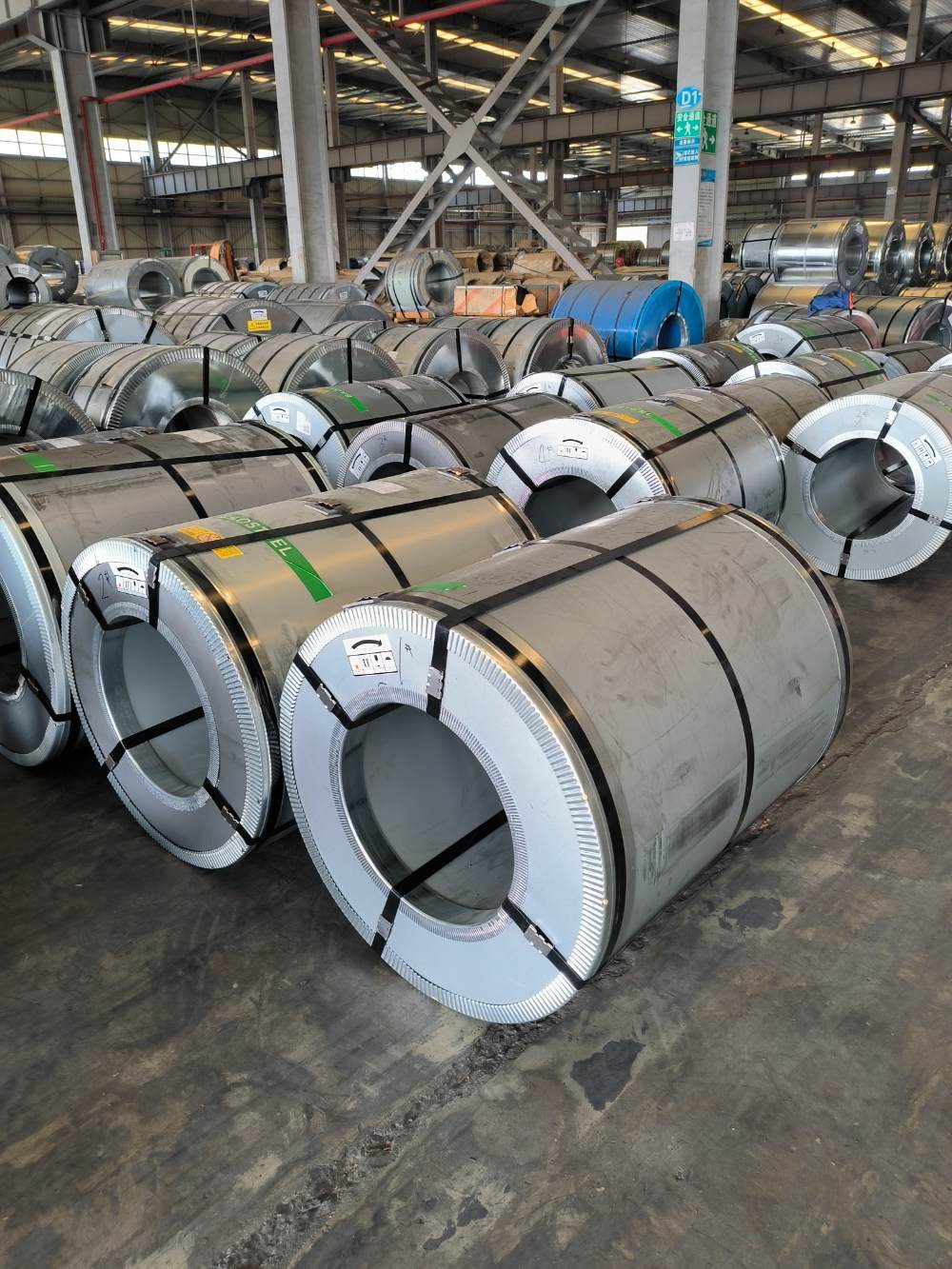
The landscape of steel production has been reshaped by cutting-edge methods that push the boundaries of material performance, moving beyond traditional techniques to achieve superior strength, durability, and sustainability. These innovative processes, such as advanced thermomechanical controlled processing (TMCP) and electro-slag remelting (ESR), allow for precise control over microstructural development. By carefully manipulating temperature gradients and deformation rates, manufacturers can produce steels with tailored properties, including enhanced toughness and corrosion resistance, making them ideal for demanding applications in aerospace, automotive, and infrastructure projects without compromising on reliability or efficiency.
Another game-changer in high-performance steel manufacturing is the integration of additive manufacturing, or 3D printing, which enables the creation of complex geometries and customized alloys that were previously unattainable through conventional casting. This technology reduces material waste and shortens production cycles, leading to more eco-friendly operations by minimizing energy consumption and emissions. Coupled with real-time monitoring systems using sensors and data analytics, these processes ensure consistent quality and traceability, empowering industries to meet rigorous standards while exploring new frontiers in sustainable engineering solutions.
Looking ahead, the synergy between digitalization and material science is paving the way for smart manufacturing approaches, such as laser cladding and nanoparticle reinforcement, which enhance steel's surface properties and overall performance. These advancements not only boost economic competitiveness by lowering costs and improving yield rates but also contribute to a circular economy by facilitating easier recycling and reuse. As a result, high-performance steel production continues to evolve as a dynamic field, driven by continual research and collaboration across sectors, ensuring it remains at the forefront of technological progress for years to come.
Applications in Transformers: Enhancing Power Grid Reliability
Transformers play a crucial role in modern power grids, not just as passive components but as active enablers of reliability. By intelligently managing voltage levels and power flows, they help prevent overloads and reduce the risk of blackouts. For instance, smart transformers equipped with sensors and communication tech can detect anomalies in real-time, allowing operators to respond swiftly to issues like voltage sags or equipment wear before they escalate into widespread failures.
Beyond basic monitoring, advanced transformer applications include integrating with renewable energy sources like solar and wind farms. These sources often produce variable output, which can destabilize the grid if not managed properly. Transformers with adaptive control systems can smooth out these fluctuations, ensuring a steady power supply and minimizing downtime. This adaptability makes them essential in grids that rely heavily on intermittent renewables, boosting overall resilience against environmental changes.
Looking forward, innovations such as solid-state transformers and AI-driven predictive maintenance are set to revolutionize grid reliability further. These technologies enable transformers to self-adjust to load demands and predict failures before they occur, reducing maintenance costs and enhancing operational efficiency. By embracing such advancements, utilities can build more robust, fault-tolerant networks that better withstand natural disasters and cyber threats, ultimately delivering more dependable electricity to consumers.
Quality Control and Precision Engineering in Factory Operations
Quality control in factory operations isn't just about catching defects at the end of the line; it's a proactive, integrated approach that starts with precision engineering during the design phase. By leveraging advanced technologies like CAD simulations and tolerance analysis, manufacturers can anticipate potential flaws before production even begins, reducing waste and ensuring that every component fits together seamlessly. This holistic view transforms quality from a reactive checkpoint into a strategic advantage, fostering a culture where excellence is built into the process from the ground up.
Precision engineering plays a crucial role by setting the foundation for consistent output through meticulous attention to detail, such as using calibrated tools and automated systems that minimize human error. For instance, in automotive or aerospace sectors, even micron-level deviations can lead to catastrophic failures, so engineers employ laser scanning and real-time data monitoring to maintain exact specifications. This relentless focus on accuracy not only boosts reliability but also enhances customer trust, as products consistently meet stringent performance standards without compromise.
Together, these elements create a dynamic feedback loop where insights from quality control refine engineering practices, leading to continuous improvements in efficiency and innovation. This synergy allows factories to adapt quickly to market demands while upholding top-tier standards, ensuring that operations are both robust and agile in an ever-evolving industrial landscape.
Environmental Sustainability in Electrical Steel Manufacturing
When we think about electrical steel, its impressive magnetic properties often steal the spotlight, but there's a growing conversation about how its production can align with greener practices. Manufacturers are exploring ways to cut down on energy-intensive processes, like using hydrogen in reduction instead of traditional methods, which slashes carbon emissions significantly. It's not just about meeting regulations; it's about recognizing that every step in making this material can have a ripple effect on our planet—from sourcing raw ores responsibly to minimizing waste in factories.
Beyond energy use, the push for sustainability also focuses on recycling and lifecycle management. Electrical steel, with its high recycling potential, allows companies to reintegrate scrap back into the production line, reducing the need for new resources and lowering the environmental footprint. Innovations in coatings and treatments are being developed to make the steel more durable and efficient, which means products like transformers and motors last longer and consume less power over time. This shift isn't just a technical fix; it's part of a broader move toward circular economies where nothing goes to waste.
What truly sets leaders apart is their holistic approach—integrating renewable energy sources into manufacturing plants and engaging communities to ensure transparency. By adopting strategies like water conservation and reducing hazardous byproducts, these companies are showing that sustainability isn't an afterthought but a core part of their identity. It's a dynamic field where creativity meets practicality, driving both environmental benefits and economic resilience, making electrical steel a key player in the transition to a cleaner industrial future.
Future Trends: Smart Technologies and Next-Generation Innovations
Smart technologies are reshaping our world at an unprecedented pace, driven by advances in artificial intelligence, the Internet of Things, and quantum computing. These innovations enable smarter devices that learn from user behavior, optimize energy consumption, and enhance personal productivity. For example, AI-powered assistants now predict needs and automate routines, while IoT networks connect everything from homes to cities, creating seamless, data-driven ecosystems. The shift towards edge computing further decentralizes processing, reducing latency and enabling real-time decision-making in autonomous systems. This rapid evolution promises not just convenience but transformative impacts on industries like healthcare, where predictive diagnostics and robotic surgeries are becoming mainstream, and sustainability, with smart grids optimizing renewable energy use.
Next-generation innovations are pushing beyond traditional boundaries, blending physical and digital realms through technologies like augmented reality, blockchain, and biotechnology. Augmented reality overlays digital information onto the real world, revolutionizing fields from education to retail by offering immersive, interactive experiences. Blockchain's decentralized ledgers enhance security and transparency, powering everything from cryptocurrencies to supply chain traceability. Meanwhile, biotechnology breakthroughs, such as gene editing and synthetic biology, open new frontiers in personalized medicine and environmental remediation. These developments foster a convergence of disciplines, where tech-savvy solutions address complex global challenges, from climate change to resource scarcity, in novel, integrated ways.
Looking ahead, the synergy between smart technologies and next-generation innovations will drive societal shifts, emphasizing human-centric design and ethical considerations. As systems grow more autonomous, issues like data privacy, algorithmic bias, and job displacement demand proactive governance and inclusive policies. The rise of explainable AI and ethical frameworks aims to ensure technology serves humanity equitably. By fostering collaboration across sectors and investing in education, we can harness these trends to build resilient, adaptive communities that thrive in an era of constant change. Ultimately, the future lies not just in what technologies we create, but in how we shape them to enhance human potential and foster sustainable progress.
FAQ
Grain oriented electrical steel offers exceptionally low core loss and high magnetic permeability, which significantly improves energy efficiency in transformers and other electrical devices.
These factories implement rigorous quality control processes, including precise rolling and annealing techniques, to achieve the desired grain orientation and minimize impurities.
Advancements include the development of thinner steel grades and improved coating technologies, enabling more compact and efficient electrical designs.
It reduces energy losses in power distribution, supporting more reliable and sustainable electrical systems as demand for electricity grows globally.
Many adopt energy-efficient practices, such as recycling heat and using cleaner production methods, to minimize environmental impact and comply with standards.
There's an increasing trend of using it in high-frequency applications, like electric vehicle chargers and small transformers, to enhance performance without bulky components.
Conclusion
Grain oriented electrical steel stands as a cornerstone of modern electrical advancements, primarily driving efficiency through its unique magnetic properties that reduce energy losses in core applications. Factories producing this specialized steel are at the forefront of innovation, employing sophisticated manufacturing processes to ensure precise grain alignment, which enhances performance in devices like transformers. This focus on quality control and precision engineering not only boosts power grid reliability but also supports the integration of renewable energy sources, making these facilities vital to sustainable electrical systems.
Looking ahead, these factories are embracing smart technologies and next-generation innovations to further refine production and environmental sustainability. By reducing waste and energy consumption, they contribute to greener manufacturing while preparing for future demands in electrification and smart grids. This ongoing evolution positions grain oriented electrical steel factories as key enablers of electrical efficiency and reliability, powering innovations that shape our technological landscape without compromising on eco-friendly practices.
Contact Us
Contact Person: Zoe Liang
Email: [email protected]
Tel/WhatsApp: 86 189 2128 6299
Website: https://www.baowuchina.com