
Environment Friendly Canvas Shopping Bags Distributor: Your Partner for Sustainable Retail
2026-11-01
In today's retail landscape, sustainability isn't just a buzzword—it's a business imperative. Yet many retailers struggle to find reliable partners who understand the balance between eco-friendliness and practicality. That's where a dedicated environment friendly canvas shopping bags distributor becomes invaluable. At Top Packaging, we don't just supply bags; we help you tell your brand's sustainability story, one durable canvas tote at a time. Curious how the right distributor can transform your retail experience? Read on.
Canvas vs. Plastic: The Checkout Conversation Shoppers Are Having
At the register, the question doesn't always come from the cashier. More often it's the shopper eyeing the stack of canvas totes near the conveyor, then glancing at the flimsy plastic bag already half-open in the bagging area. The pause says a lot. Canvas has clearly won the moral high ground—reused until the handles fray, tossed in the washing machine, stuffed under a car seat for the next unplanned stop. Plastic still clings to convenience: it's lighter, cheaper to replace, and doesn't need to be remembered in the trunk. That split-second calculation plays out in grocery lines, boutiques, and farmers markets, and the outcome depends less on statistics than on what the person behind the cart actually values at that moment.
Some shoppers treat the choice as a small loyalty test. A cashier who automatically double-bags a single carton of milk might get a pointed "I brought my own" while the next customer quietly accepts plastic because carrying a damp canvas tote into a restaurant feels awkward. The conversation isn't really about material science. It's about habits colliding with good intentions. People who carry the same mustard-yellow canvas bag for years often have a story attached—bought on a trip, gifted by a friend, rescued from a lost-and-found. Plastic bags rarely earn that kind of history. They're anonymous, functional, and forgotten by the time the groceries are put away.
Retailers hear both sides, often in the same hour. One shopper asks for paper inside plastic to prevent leaks; another refuses a bag entirely and balances a tower of produce in both arms. The rise of canvas as a lifestyle signal—printed with bookshop logos, museum names, even cheeky slogans—has turned the checkout line into a low-stakes display of identity. Yet plastic still fills a niche that canvas can't always cover: the unplanned buy, the damp swimsuit, the trash can liner at home. The debate won't end with a clear winner because both materials answer different questions. Canvas asks, "What are you willing to carry?" Plastic asks, "What do you need right now?" Shoppers keep answering both, depending on the day.
What to Look for in a Wholesale Canvas Bag Partner
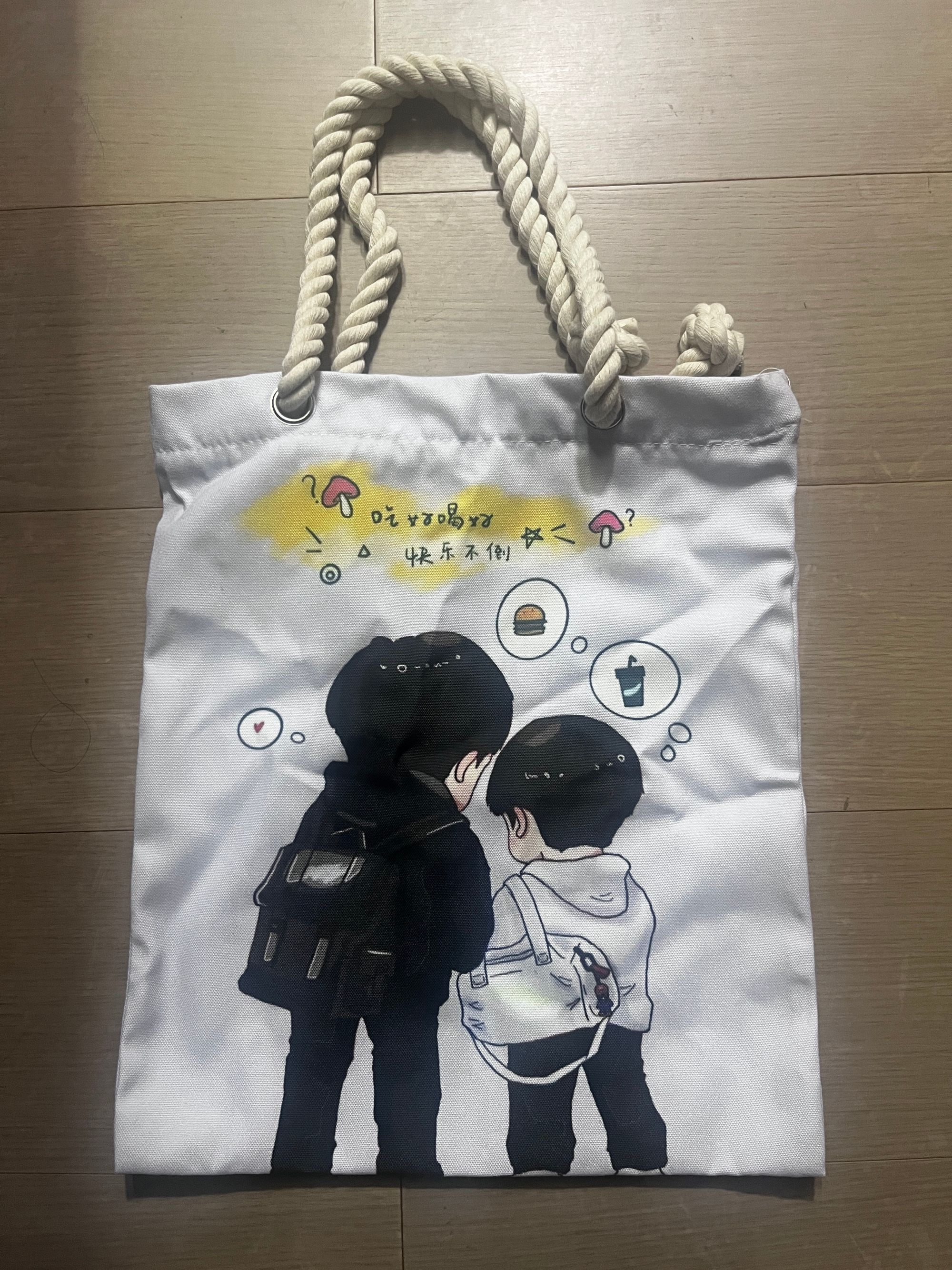
Start by requesting physical samples. A supplier's spec sheet can claim 12-ounce canvas and reinforced stitching, but the only way to confirm durability is to handle the bag yourself. Check the evenness of the weave, the density of stitches at stress points, and whether the handles sit comfortably without twisting. Small inconsistencies often signal larger quality control gaps later.
Next, dig into their production norms. Ask about realistic lead times during peak seasons, minimum order quantities for custom colors, and how they handle defects or delayed shipments. A partner worth keeping will answer these questions directly and offer a clear escalation path, rather than promising perfect timelines that never survive contact with reality.
Finally, look at their sourcing ethics and pricing transparency. A dependable wholesale canvas bag partner should be able to tell you where the cotton comes from, whether dye runoff is treated, and how workers are paid. The cheapest quote often hides costs elsewhere; choose a supplier whose unit price reflects materials and labor they're willing to document.
Customization That Goes Beyond a Screen-Printed Logo
Most companies stop at slapping a logo on a product and calling it custom. That approach might work for basic giveaways, but it does nothing to create a lasting impression. We dig deeper—treating the product itself as a canvas, not just the surface. Imagine your brand mark woven into the fabric, etched into metal, or molded into the very shape of the item. The result is a piece that feels intentional from every angle, not an afterthought printed on a cheap T-shirt.
Think about texture, not just color. A raised emboss, a subtle deboss, laser-cut patterns that reveal layered materials underneath—these are the details that make someone pause and run their fingers over the surface. We work with leathers, woods, metals, and technical fabrics to embed your identity directly into the grain and structure. Your logo can become a functional element too: a grip pattern, a ventilation channel, or a tactile navigation point. That level of integration turns a simple promotional item into a daily-use object people genuinely want to keep.
The payoff is emotional. When a customer holds something that carries your brand in its bones, not just on its skin, they feel the difference. It speaks of care, thought, and a refusal to cut corners. Whether it's a notebook with a cover formed around your icon, a water bottle with a seamless in-mold label, or a backpack where the logo is woven into the strap webbing—each piece tells a story that a screen print never could. That's customization that survives contact with the real world, and it's what turns a logo into a memory.
The Hidden Strength of Double-Stitched Handles and Thick Fabric
Most people judge a bag by its seams, but the real test happens when you fill it with canned goods and walk three blocks. The double-stitched handles here aren't just two lines of thread for show. They run the full length of the strap and anchor deep into the body panel, distributing weight across a wider zone instead of letting it tear at a single weak point. That means no sudden snap when you're halfway up the stairs with a week's worth of groceries.
The fabric itself does a lot of quiet work too. At roughly 200 GSM, it has enough density to resist punctures from box corners and bottle caps, yet it still folds flat enough to slip into a glove box. What matters is how the thickness interacts with the handle attachment: a stiff, unyielding fabric would make the stitching fight against the load, but this material flexes just enough to let the stitches settle into their job. After dozens of wash cycles, the weave holds its shape rather than going fuzzy or sagging at the stress points.
You notice the difference most when you carry something awkward, like a potted plant or a six-pack of sparkling water. The handles stay comfortable in your hand without rolling or digging in, and the bag keeps its silhouette instead of bulging at the seams. That's the hidden strength, not just surviving the heavy loads, but making them feel less clumsy to carry.
Sustainable Sourcing Without the Supply Chain Runaround
Most sourcing teams know the frustration of chasing supplier certifications across three time zones while the actual goal—reducing environmental harm—gets buried in email threads. Sustainable sourcing shouldn't mean adding another layer of audits and portals. It starts with picking fewer, better partners who already publish their energy mix, water use, and labor practices in a format your procurement team can actually read. If a supplier can't tell you where their cotton or cobalt comes from within a week, that's not a data gap; that's a red flag.
The runaround usually comes from fragmented systems: one platform for compliance, another for shipping, a spreadsheet for carbon estimates. Cut that down. Ask your tier-one suppliers to share one living document that maps their own key suppliers and the certifications tied to each. You don't need every sub-tier invoice—just enough visibility to spot the high-risk nodes. This kind of shared, plain-language mapping replaces months of back-and-forth with a single conversation.
Finally, make sustainability part of the purchase order, not a side project. Include specific clauses for recycled content, wastewater limits, or deforestation-free origins, and set a review cadence that matches your business cycle—quarterly, not annually. Suppliers respond to incentives, so tie a small percentage of payment to verified progress rather than punishing every missed checkbox. That keeps the chain moving while the standards actually rise.
From First Order to Repeat Business: Building a Retail Ready Inventory
Most independent retailers learn the hard way that a first order is just an audition. The customer who buys once hasn’t committed to your brand—they’ve only tested whether your inventory can keep its promise. If the item arrives late, looks different from the photo, or is out of stock when they return for a second purchase, that relationship ends before it begins. Building a retail-ready inventory means treating every sku as a potential repeat trigger: track sell-through rates by week, not by month, and restock your top 20% of items before they dip below a two-week supply. This sounds basic, but too many shops still reorder based on gut feeling or supplier lead times alone.
The shift from first order to repeat business often hinges on how you handle the moment after the sale. If a customer buys a best-selling shirt in medium and you only have large left a week later, they won’t wait. They’ll find a competitor. Retail-ready inventory isn’t just about having enough stock; it’s about having the right depth in the sizes, colors, and variants that your repeat buyers actually prefer. Pull your last 90 days of order data and group it by customer type—new versus returning. Look at what returning customers buy twice or three times. Those are your backbone items. Give them twice the shelf space and a reorder point that accounts for your supplier’s worst-case delay, not the average.
Finally, don’t confuse being inventory-heavy with being retail-ready. A warehouse full of slow movers drains cash and forces you to mark down items that could have funded your next fast seller. Set a simple rule: if an item hasn’t sold in 45 days and you have more than six units left, cut the price by 15% or remove it from your core assortment. This keeps your store feeling fresh and your cash flow directed toward the products that actually bring people back. Repeat customers don’t return because you have everything—they return because you consistently have the specific things they trust you to carry.
FAQ
They're meant to be reused for years, not tossed after one trip. The fabric is heavy-duty, the stitching holds up, and shoppers tend to keep them around, which means your store's name gets seen again and again without extra cost.
You can start small. We work with independent shops and big chains alike, so a few hundred bags with your logo is completely fine. There's no pressure to overstock before you've tested the market.
We stick to suppliers who can show certification for organic or recycled fibers. We also do spot checks on the production chain so you're not just taking our word for it.
They'll comfortably carry a full grocery run or a stack of hardcovers. The handles are reinforced and the base is box-stitched, so you won't get that embarrassing rip at the checkout.
Absolutely. We'd rather you hold one in your hands first. We can ship a blank sample or one with your draft artwork so you know exactly what your customers will receive.
For a standard bulk order, plan on about three to four weeks from final approval. If you're in a rush, let us know and we can usually squeeze in an expedited run.
We buy canvas in large quantities from mills we've worked with for years, and we keep our production lean. That lets us pass on savings without switching to cheaper, questionable fabrics.
You'll have a direct contact for reordering, tweaking designs, or tracking shipments. We don't disappear once the invoice is paid. If something's off, we fix it.
Conclusion
Retailers are waking up to a simple truth: the checkout conversation has shifted, and shoppers now expect their bags to do more than carry groceries home. Canvas has become the default answer to plastic's lingering guilt, but not all wholesale partners are equal. A dependable distributor does more than ship blank totes—they understand that double-stitched handles and thick, structured fabric determine whether a bag survives years of use or ends up forgotten in a closet. That hidden strength matters, because a flimsy bag silently undermines a brand's green promise. Beyond durability, customization needs to move past a rushed screen-printed logo on one side. We're talking about full-bleed prints, interior pockets, reinforced bottoms, and color-fast dyes that feel like a deliberate extension of a store's identity, not an afterthought. A true partner offers sustainable sourcing without the supply chain runaround—knowing where the cotton is grown, how it's processed, and providing clear certifications without making you dig for them. From the first sample order to a reorder button that actually works, the goal is a retail-ready inventory that turns first-time buyers into repeat customers. When your bags feel good in hand and hold up over time, your customers carry your brand story everywhere they go—and that is the quiet, durable power of a reliable canvas bag distributor.
Contact Us
Contact Person: Shelly
Email: [email protected]
Tel/WhatsApp: 86-577-64286522
Website: https://www.topmovingpad.com/