

Disconnector Switch Supplier: Choosing the Right Partner for Your Electrical Safety Needs
2026-01-16
In the complex realm of electrical safety, selecting the right disconnector switch supplier is more than a technical decision—it's a critical step in safeguarding your infrastructure and personnel. But with countless options on the market, how do you navigate this vital choice to ensure reliability, compliance, and peace of mind? In this blog, we'll delve into key considerations for choosing a partner that aligns with your specific needs, highlighting how working with a trusted expert like Lugao can make all the difference. Join us as we explore practical insights that will not only inform your decision but also empower you to enhance your electrical safety strategy.
Navigating the Landscape of Disconnector Switch Suppliers
When exploring suppliers for disconnector switches, it's crucial to look beyond basic specs and delve into each vendor's real-world performance and reliability track records. Start by identifying those with a solid history in your specific industry—whether it's power distribution, industrial automation, or renewable energy systems—as this often translates to deeper practical insights and tailored solutions. Don't just rely on glossy brochures; ask for detailed case studies or client testimonials to gauge how their products handle actual operational stresses, like high fault currents or harsh environmental conditions, which can make or break long-term safety and efficiency.
Another key aspect is evaluating the technical support and customization capabilities offered by suppliers, which can vary dramatically from one company to another. Some might provide robust after-sales services, including on-site training and rapid response teams for maintenance issues, while others focus more on flexible design options to meet unique project requirements. It's worth digging into their manufacturing processes and supply chain resilience too—factors like material sourcing, quality control standards, and lead times can significantly impact your project's timeline and overall costs, especially in today's volatile global market.
Finally, consider the bigger picture by weighing innovation and sustainability practices among potential suppliers. Forward-thinking companies often invest in R&D for features like enhanced arc-quenching technologies or eco-friendly materials, which not only boost performance but also align with modern environmental regulations and corporate responsibility goals. Building a shortlist of suppliers based on these multifaceted criteria, rather than just price points, helps ensure you partner with a reliable leader who can adapt to evolving industry demands and support your infrastructure needs for years to come.
Key Factors in Selecting a Reliable Electrical Safety Partner
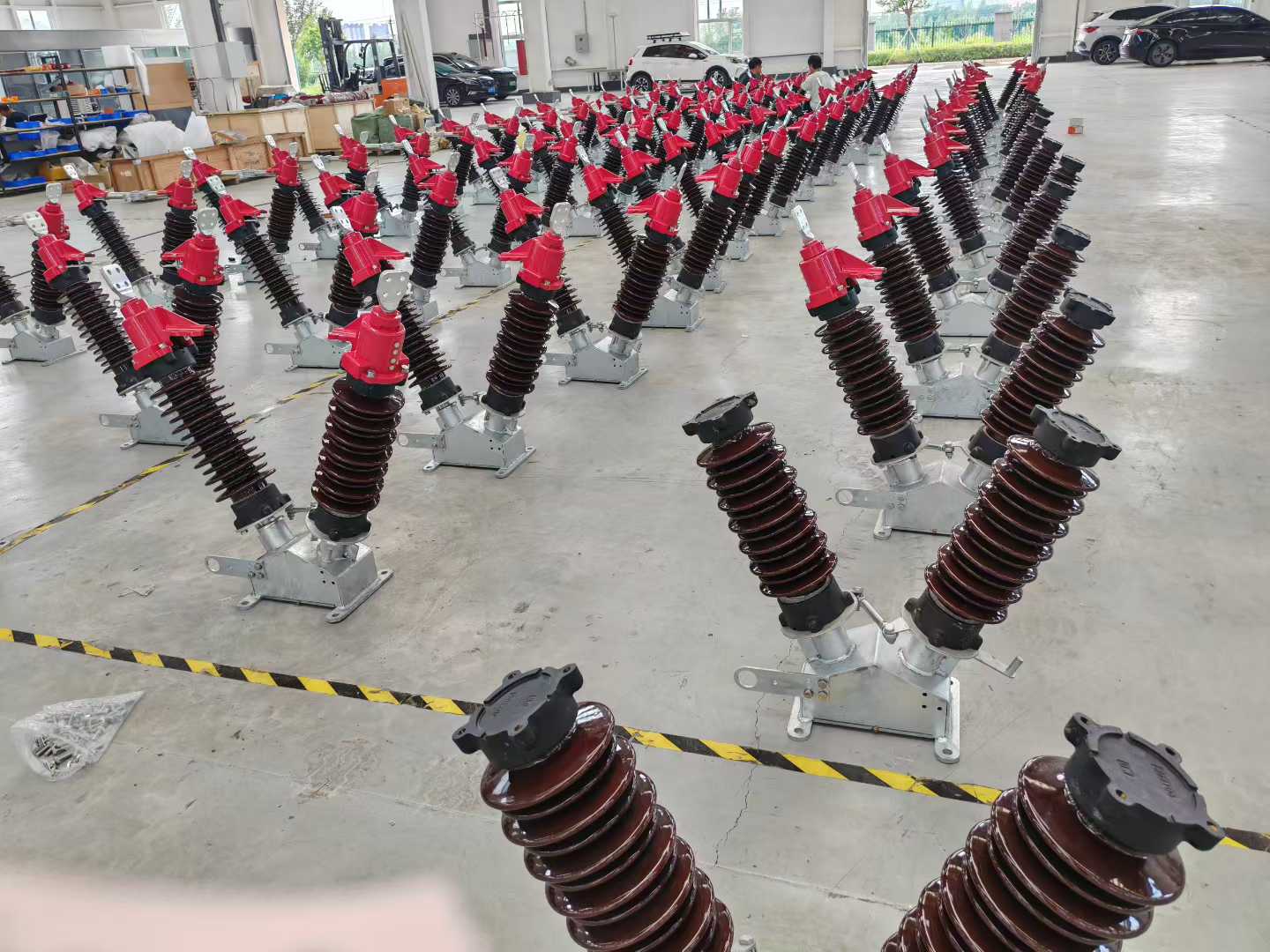
Choosing the right electrical safety partner can make or break your project's success, so it's crucial to look beyond just certifications and consider how well they integrate with your team. A reliable partner should have a proven track record of handling projects similar to yours, from industrial installations to residential builds, ensuring they understand the specific risks and regulations involved. Don't just rely on generic reviews—seek out client testimonials and case studies that highlight their problem-solving skills and adaptability in real-world scenarios.
Another key aspect is their commitment to ongoing training and staying updated with the latest safety standards and technologies. Electrical safety isn't static; it evolves with new equipment and codes, so a partner who invests in continuous education demonstrates a proactive approach rather than a reactive one. Look for partnerships that offer regular safety audits and customized training programs, which can help prevent accidents before they happen, saving you time and resources in the long run.
Finally, evaluate their communication and support structures. A dependable electrical safety partner should be transparent about their processes, provide clear documentation, and be readily available to address concerns or emergencies. This goes beyond just having a contact person—it's about fostering a collaborative relationship where feedback is valued and solutions are tailored to your unique needs, ensuring a smoother, safer project from start to finish.
Assessing Quality and Certifications for Disconnector Switches
When evaluating disconnector switches, it's crucial to look beyond just basic specifications and delve into the real-world performance that certification standards represent. Quality assessments often start with rigorous testing for electrical endurance—ensuring the switch can handle repeated operations under load without degradation. Factors like contact resistance, insulation properties, and mechanical durability come into play, as these directly impact safety and reliability in applications ranging from industrial plants to residential installations. Manufacturers who invest in thorough in-house testing, such as thermal cycling or vibration resistance checks, typically offer more robust products, but independent certification adds an extra layer of trust.
Certifications serve as a tangible benchmark for quality, with standards like IEC 60947-3 for low-voltage switchgear or UL 98 for disconnecting switches providing clear guidelines. These aren't just paperwork; they involve third-party verification that the switch meets specific safety, performance, and environmental requirements. For instance, switches certified to IEC standards may undergo tests for short-circuit withstand capacity, ensuring they can safely interrupt faults. In niche markets, certifications like ATEX for explosive atmospheres or specific regional approvals (e.g., CE marking in Europe) highlight adaptability and compliance with local regulations, which can be a game-changer for projects with strict legal mandates.
Ultimately, a holistic approach to assessment combines certification scrutiny with practical considerations, such as ease of maintenance and manufacturer support. While a switch might boast multiple certifications, its true value emerges in field performance—like how well it resists corrosion in humid conditions or integrates with modern smart grids. By prioritizing both accredited quality marks and user-centric features, stakeholders can select disconnector switches that not only meet standards but also stand the test of time in diverse operational settings.
Innovations and Technology Trends in Switch Manufacturing
The landscape of switch manufacturing is rapidly evolving, driven by advancements in materials science and digitalization. From traditional mechanical switches to modern capacitive and optical variants, there's a notable shift towards enhancing reliability and energy efficiency. Innovations like graphene-based switches are emerging, offering superior durability and reduced wear, while smart switches integrated with IoT capabilities enable remote monitoring and predictive maintenance, revolutionizing industrial and consumer applications alike.
Beyond hardware improvements, software integration plays a pivotal role in shaping current trends. Manufacturers are increasingly adopting artificial intelligence to streamline production lines, optimizing assembly processes and reducing defects through real-time data analytics. This allows for more customized switch solutions tailored to specific industries, such as automotive or aerospace, where precision and safety are paramount. The convergence of physical and digital realms is fostering a new era of interconnected, responsive systems.
Looking ahead, sustainability is becoming a central focus, with trends toward eco-friendly materials and energy-saving designs. Research into biodegradable components and recyclable metals is gaining traction, addressing environmental concerns. Additionally, the rise of 3D printing technology enables rapid prototyping and on-demand manufacturing, reducing waste and lead times. These innovations not only enhance performance but also align with global green initiatives, positioning switch manufacturers as key players in a more sustainable technological future.
Building Long-Term Partnerships for Enhanced Safety Solutions
Imagine a world where safety isn't just a checkbox on a compliance form but a shared journey of innovation and trust. That's what building long-term partnerships in the safety sector is all about—it's about moving beyond transactional relationships to forge connections that evolve with time. When companies collaborate deeply with their partners, they don't just exchange products; they co-create solutions that address real-world challenges, from workplace hazards to emergency response protocols. This approach fosters a sense of mutual investment, where both sides are committed to continuous improvement and adapting to new threats.
In practice, these partnerships thrive on open communication and a willingness to listen. It's not about one side dictating terms but about engaging in honest dialogues to understand specific needs and pain points. For instance, a manufacturer might work closely with a distribution partner to tailor safety gear for unique environments, ensuring that every piece of equipment fits seamlessly into daily operations. Over time, this builds a reservoir of trust, allowing for quicker problem-solving and more proactive measures. By investing in these relationships, organizations can anticipate risks before they materialize, turning safety from a reactive task into a proactive culture.
Ultimately, the payoff is a more resilient and responsive safety ecosystem. Long-term partnerships enable a flow of feedback and data that sharpens solutions, making them not just effective but innovative. Partners become allies in navigating regulatory changes and technological advancements, sharing insights that lead to smarter, more sustainable approaches. This isn't about quick fixes; it's about creating a lasting impact that protects people and assets while driving growth. In a field where safety is paramount, these enduring connections are the bedrock of truly enhanced solutions that stand the test of time.
Avoiding Common Pitfalls in Supplier Evaluation Processes
When it comes to selecting suppliers for your business operations, it's easy to fall into patterns that seem efficient but ultimately lead to costly oversights. One common misstep is relying too heavily on price comparisons alone; this can mask hidden expenses like quality issues or delivery delays that inflate total costs over time. Instead, a balanced approach incorporating factors such as reliability, sustainability, and innovation capabilities can reveal more valuable partnerships that drive long-term growth and resilience in your supply chain.
Another typical pitfall involves conducting evaluations with limited data or outdated methods, which might result in inaccurate assessments of a supplier's performance. For instance, failing to regularly update criteria based on evolving business needs or market trends can mean missing out on emerging suppliers with cutting-edge solutions. By implementing dynamic evaluation tools, such as real-time feedback loops and comprehensive risk analysis, companies can maintain agility and make more informed decisions that adapt to changing circumstances.
To truly stand out in supplier management, it's crucial to move beyond generic checklists and foster deeper collaboration. Engaging suppliers in open dialogues about goals and challenges can uncover synergies that simplify processes and enhance innovation, while also building trust to mitigate risks effectively. This human-centric strategy not only helps avoid common pitfalls but also transforms supplier relationships into strategic assets that support sustainable success across the organization.
FAQ
A disconnector switch, often called a disconnect switch or isolator, is a mechanical device that physically separates a circuit from its power source to ensure safe maintenance or repair. It's critical because it provides a visible break in the circuit, preventing accidental re-energization and protecting workers from electrical hazards in industrial, commercial, or utility settings. Unlike circuit breakers that interrupt current under load, disconnectors are typically used when the circuit is already de-energized, serving as a vital safety measure to comply with electrical codes and standards like NEC or IEC regulations.
Look for suppliers who offer detailed technical support, such as custom engineering consultations and application-specific guidance. A reliable partner will ask about your voltage requirements, environmental conditions, and load characteristics, then provide options like fused or non-fused designs. Check if they have experience with diverse industries, certifications like UL or CE, and real-world case studies. Avoid generic responses; a tailored approach, with clear explanations of safety margins and durability features, indicates genuine expertise beyond just selling products.
Common mistakes include choosing based solely on price without considering quality and support, overlooking certifications that ensure safety compliance, and not verifying the supplier's ability to provide spare parts or technical documentation. To avoid this, assess the supplier's reputation through reviews or references, confirm their product testing protocols, and ensure they offer robust after-sales services, such as warranty coverage and maintenance guidance, to prevent costly failures or downtime in your operations.
A diverse product range, including switch ratings, enclosure types, and accessories, allows you to find an exact fit for unique applications, such as outdoor installations or high-voltage systems. Customization options, like special mounting configurations or materials for corrosive environments, ensure the switch performs reliably under specific conditions. This flexibility can prevent compromises in safety or efficiency, as off-the-shelf solutions might not address all operational nuances, leading to better long-term performance and reduced adaptation costs.
A supplier's manufacturing process directly affects quality; for instance, stringent quality control during production, like rigorous testing for insulation resistance and mechanical endurance, ensures switches meet safety standards reliably. Advanced processes, such as automated assembly or precise calibration, can reduce human error and enhance consistency. Look for suppliers that use durable materials and follow ISO-certified procedures, as this minimizes risks of malfunctions, extends product lifespan, and supports compliance with industry regulations for electrical safety.
Prioritize suppliers offering comprehensive support, such as installation assistance, staff training on safe operation, and accessible technical advice for troubleshooting. Check if they provide clear documentation, like user manuals and wiring diagrams, and responsive support channels. Post-purchase services, such as regular maintenance checks or prompt replacement part availability, are crucial for ensuring ongoing safety and minimizing operational disruptions. A partner committed to long-term relationships often demonstrates this through proactive communication and tailored service plans.
Yes, trends include smart disconnector switches with IoT integration for remote monitoring and diagnostics, which enhance predictive maintenance and safety alerts. Innovations in materials, like corrosion-resistant coatings for harsh environments, and designs for compatibility with renewable energy systems, are also key. Suppliers should stay updated on these advancements to offer modern solutions that improve efficiency and compliance. If a supplier discusses such trends and their implementation, it shows they're forward-thinking and can help you future-proof your electrical infrastructure.
Conclusion
Navigating the diverse landscape of disconnector switch suppliers requires a strategic approach to ensure electrical safety needs are met effectively. Key factors in selecting a reliable partner include evaluating their industry experience, technical support capabilities, and commitment to quality standards. Assessing certifications, such as ISO and UL listings, alongside rigorous testing protocols, helps verify product durability and compliance with safety regulations. By prioritizing these aspects, organizations can avoid common pitfalls like overlooking supplier track records or underestimating maintenance needs, setting the stage for informed decision-making.
Innovations in switch manufacturing, such as smart monitoring features and eco-friendly materials, highlight the importance of partnering with forward-thinking suppliers who embrace technological trends. Building long-term relationships fosters collaborative safety solutions, enabling tailored support and proactive upgrades. This holistic evaluation not only mitigates risks but also enhances operational reliability, ensuring a resilient electrical infrastructure that adapts to evolving demands while maintaining stringent safety standards throughout its lifecycle.
Contact Us
Contact Person: Doreen
Email: [email protected]
Tel/WhatsApp: 8618057712366
Website: https://www.liugaopower.com/