China Silicone Water Bottle Guide: What to Know Before You Buy
2026-10-15
China produces a huge share of the world's silicone water bottles, but the gap between a trustworthy bottle and a cheap knockoff is wider than most people expect. In this guide, you'll learn how to check food-grade silicone, spot weak seals, and avoid marketing fluff. If you want a brand that already does the homework for you, Qunhao is worth a close look.
That '100% Silicone' Label Can Be Misleading
A label that reads “100% silicone” sounds reassuring, but it rarely tells the whole story. Many products are allowed to carry that claim even when fillers like silica, calcium carbonate, or plasticizers make up a noticeable share of the material. Regulators and industry groups often base the “100%” on the base polymer only, not the finished item, so the phrase can hide a formula that’s far from pure.
The gap between label and reality shows up in everyday items. A baking mat may have a thin silicone surface bonded to a fiberglass or polyester mesh, yet the packaging highlights “100% silicone” in large type. Similar issues appear in kitchen utensils, phone cases, and baby products, where a silicone blend or coating gets marketed as if the entire object were made from one uniform material. That doesn’t mean the product is unsafe, but it does mean the label overpromises.
A closer look often reveals the difference. Pure silicone tends to be soft, flexible, and odorless, and it springs back cleanly when stretched or pressed. Products with heavy fillers can feel stiffer, show white stress marks when bent, or give off a faint chemical smell. If the price seems unusually low or the texture feels waxy, the “100% silicone” claim deserves extra scrutiny. Checking the fine print or contacting the maker is the only way to know what you’re actually getting.
Factory Quality Varies More Than You'd Expect
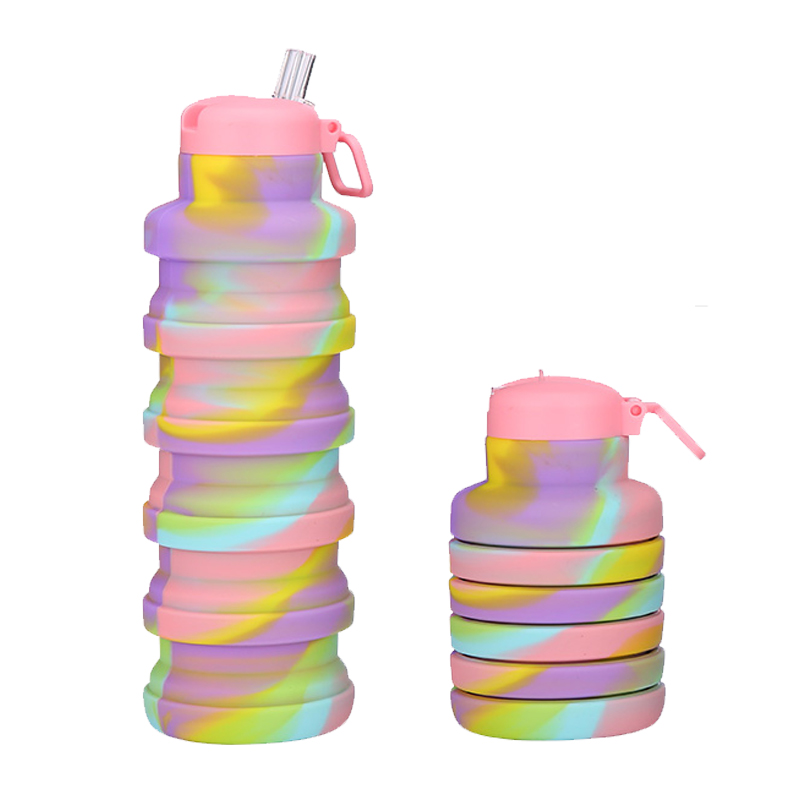
Walk through two plants making the same product and the differences hit you immediately. One runs tight shift handovers, logs every deviation, and keeps tooling calibrated on a schedule that feels almost obsessive. Another lets small drift accumulate until a batch fails inspection. Neither looks broken from a distance, yet their output quality sits miles apart.
Most buyers assume a factory's certification or past performance tells you enough. In practice, quality moves with management changes, worker turnover, raw material substitutions, and even seasonal pressure to ship faster. A supplier that passed an audit in March might be running worn cutting edges by June because one maintenance supervisor left and nobody updated the interval.
That's why spot checks on a single sample can mislead. You need to watch how a factory handles rejects, whether operators can stop a line without fear, and if measurement tools match the ones used during the original approval. These small signals reveal more than any polished capability statement ever will.
Lid Leaks Are the Number One Complaint
Few things frustrate a commuter more than reaching into a bag and finding a damp spot spreading from their supposedly sealed travel mug. Lid leaks sit at the top of complaint lists for a reason: the body of the bottle can be flawless, but the lid is the weak point where threads, gaskets, and moving parts meet. A tiny misalignment or a worn silicone ring is often all it takes to turn a confident toss into a backpack into a slow, annoying drip.
Most leaks trace back to a handful of recurring design flaws. Rubber gaskets that slip out of their grooves during cleaning, flip tops that snap shut but fail to form a true seal, and threads that wear down after months of daily use all contribute. Users tend to blame themselves for not tightening the lid enough, yet the real culprit is usually a lid that wasn't built to survive repeated drops, temperature swings, and dishwasher cycles.
The brands that get this right treat the lid as the product, not an afterthought. They use thicker gaskets with secure channels, simplify the number of moving parts, and make the seal easy to inspect at a glance. When a lid can survive being tossed into a crowded tote with a laptop and a lunchbox, complaints about leaks tend to disappear almost entirely.
Not All Food-Grade Certifications Are Equal
Many consumers assume that any label mentioning food-grade safety means the same level of protection, but the reality is far messier. Certification bodies differ wildly in how they define standards, how often they inspect facilities, and what happens when a product fails a test. One certificate might reflect a single paper-based review, while another demands repeated lab testing and surprise factory visits.
The phrase food-grade itself has no single global definition. A material approved for food contact in one region may fall short of stricter rules elsewhere. Some certifications only look at a product's chemical composition, ignoring how it behaves after repeated washing, exposure to high heat, or long contact with acidic ingredients. Others trace the entire supply chain, from raw material sourcing to final packaging, giving a much fuller picture of safety.
For anyone buying food-contact products, looking past the logo matters. Ask which specific standard was applied, who performed the audit, and whether the certificate covers the exact item and conditions you plan to use. Without that kind of scrutiny, a generic food-grade label can quietly create a false sense of security.
How to Stop Silicone From Smelling Like Yesterday's Smoothie
That stubborn, slightly sour smell clinging to your silicone spatula or smoothie cup isn't a sign of poor quality—it's simply silicone doing what it does best: absorbing odors from oils and fragrant ingredients. The moment banana, berry, or protein powder hits the surface, the material's porous nature traps those scent molecules. Plain dish soap rarely cuts it because it can't reach into those microscopic pockets where the smell hides.
Heat is your most reliable ally. Submerge the silicone item in a pot of boiling water for ten minutes, or run it through the dishwasher's hottest cycle. The heat opens up the pores, releasing trapped oils and odors. For a deeper clean, make a thick paste with baking soda and a little water, rub it over the surface, and let it sit overnight before rinsing. The baking soda pulls out lingering smells without scratching the silicone.
If the smell persists after heat and baking soda, try a vinegar soak—one part white vinegar to two parts warm water for an hour. Then wash as usual and let the item air dry completely in direct sunlight. Sunlight's UV rays break down the last stubborn odor compounds. Store silicone pieces separately from strongly scented foods when possible, and they'll stay fresh far longer.
Buying Direct From Chinese Suppliers Without Getting Burned
Sourcing directly from Chinese suppliers can slash your unit costs, but it also opens the door to quality surprises, late shipments, and disappearing vendors. The first rule is to stop treating price as the only filter. A supplier's willingness to answer technical questions, provide video walkthroughs of their production line, and share past client references tells you more about reliability than a rock-bottom quote ever will.
Always start with a small trial order, even if the unit economics look less attractive at first. This lets you inspect the actual product, test the packaging under real shipping conditions, and gauge how the supplier handles mistakes. If they fix issues quickly and communicate clearly during a small order, they're far more likely to perform when you scale up. Never skip a third-party inspection for orders over a few thousand dollars; the cost is trivial compared to receiving a container full of unusable goods.
Finally, build in buffer time and a contingency budget. Delays happen, raw material prices shift, and factory schedules get rearranged. If your entire business depends on one supplier delivering exactly on time at a fixed price, you're setting yourself up to get burned. Cultivate at least two backup suppliers for your core products, and keep your purchase contracts flexible enough to absorb common disruptions without legal battles.
FAQ
They can be, but you have to check for food-grade certification rather than taking the listing at face value. Look for LFGB or FDA paperwork that matches the factory name, and ask for a small sample you can test at home. Real food-grade silicone shouldn't leave a soapy aftertaste or stretch out of shape after hot water sits in it for an hour.
One quick test is to pinch or twist the material. Food-grade silicone usually bounces back instantly without turning white at the stress point. Industrial blends often stay creased or show a cloudy line. You can also boil a small piece for ten minutes. If the water smells chemical and the silicone feels tacky afterward, it is probably not the grade you want.
Aim for a bottle that is comfortable from around -40°F to 450°F at the material level. In daily use, that means you can freeze water, add boiling tea, and toss it in a dishwasher without worrying about warping. Some manufacturers stretch the truth on the high end, so ask if their temperature claim was tested on the finished bottle or just the raw silicone sheet.
A strong chemical or plastic-like odor usually points to uncured silicone, fillers, or mold release agents left on the surface. High-quality bottles are cured properly and then post-baked to burn off volatiles, so they should smell nearly neutral out of the box. If the odor lingers after washing with warm soapy water and airing out for a day, treat that as a warning sign.
Yes, many Chinese suppliers offer lower minimums for color matching because they can pigment liquid silicone in small batches. Logos are where costs jump. Debossed or embossed molds may require a few hundred units to justify the tooling, but screen printing or laser engraving can start at much smaller quantities. Ask which marking method they recommend for your order size before assuming it is too expensive.
Open and close the lid twenty times on a sample, then fill the bottle and shake it upside down. Cheap snap lids or thin O-rings often leak after a few uses. Also check that the seal ring is easy to remove for cleaning. If it is glued in or impossible to reach, mold and bacteria become a long-term problem that customers will blame you for.
Most factories quote per unit based on material weight, mold complexity, and finish. A simple 20-ounce bottle might run a few dollars at a few hundred pieces, then drop noticeably once you pass a few thousand. Watch for hidden costs like custom color fees, inner cartons, or pre-shipment inspection. Ask for an all-in quote that includes those extras so the final price does not surprise you.
Be wary of very light bottles at an unusually low price, because they often contain calcium carbonate filler instead of pure silicone. Other warning signs include refusing to share test reports, pushing you to approve samples before you have checked them, or switching a quoted LFGB material to a generic 'food grade' claim in the final contract. A reputable factory should be proud to show documentation and stand behind it.
Conclusion
Many shiny product pages love to flash the words “100% silicone,” but that claim doesn’t mean much on its own. Many Chinese factories add plastic fillers to cut costs, which weakens the bottle and can leach unwanted chemicals. Quality also swings wildly from one supplier to the next—even if two listings show the same photo, the actual wall thickness, seam bonding, and lid fit may be completely different. Certifications muddy the water further: a certificate from an unknown lab is not the same as one from a recognized testing body like SGS or TÜV. So a bottle labeled “FDA approved” or “LFGB certified” might have passed a real audit—or just a paperwork exercise.
Once you start using the bottle, the real problems appear. Lid leaks top the list, and they rarely show up in promotional videos. A cap that feels secure on day one can loosen or warp after a few hot washes. Silicone also absorbs odors easily, especially from smoothies, coffee, and citrus drinks. Cheap material holds onto those smells for weeks; you can scrub with baking soda and vinegar, but it’s a temporary fix. If you’re buying directly from a Chinese supplier, don’t rely on the sales page. Ask for a live video of the current production batch, confirm which lab actually tested the material, and order a small sample before placing a large order. Spending a little extra time up front beats dealing with a leaky, smelly bottle later.
Contact Us
Contact Person: Cecilia
Email: [email protected]
Tel/WhatsApp: 8619057488653
Website: https://silwatbottle.com