
Chemical Raw Materials Exhibition: The Premier Global Hub for Innovation and Sourcing
2026-10-21
Every year, the chemical raw materials industry converges on one event that decides where the next wave of innovation and sourcing will break. For buyers, formulators, and R&D leaders, missing it means playing catch-up. ICIF is that event—a global stage where suppliers showcase breakthrough intermediates, specialty chemicals, and performance materials, and where procurement teams discover partners who can actually deliver at scale. But ICIF isn’t just about walking aisles. It’s where market shifts become visible before they hit the mainstream, and where deals are seeded months before competitors even notice. In this post, we’re going beyond the brochure to unpack what makes ICIF the premier hub for chemical raw materials—and how you can use it to sharpen your sourcing strategy.
Where Global Buyers Meet Tomorrow’s Feedstocks
Real feedstock deals rarely happen in a boardroom vacuum. They start when a procurement lead from Rotterdam walks past a booth, sees a sample of pretreated agricultural residue, and asks about ash content and logistics. This is the space where those conversations begin—buyers with specific volume and spec requirements meeting suppliers who can talk not just about potential, but about pilot batches, offtake terms, and port access.
Tomorrow's feedstocks are not a single category. They include recovered cooking oils with verified chain of custody, tall oil fractions from Nordic pulp mills, cellulosic sugars from municipal solid waste, and algae oils still working through demo scale. What unites them is a gap between technical promise and commercial readiness. The buyers here are not browsing; they are mapping supply chains for 2027 mandates and beyond, looking for suppliers who understand contaminants, certification timelines, and the difference between a lab result and a repeatable shipment.
The result is a quieter kind of matchmaking. A refiner may spend twenty minutes on a bench outside the hall comparing notes on enzymatic hydrolysis yields. A trader might leave with a shortlist of three pyrolysis oil producers who can actually deliver to ARA range. That is the point—not another glossy brochure, but the beginning of feedstock relationships that hold up under due diligence.
The Innovation Lab That Ships by the Ton
Most innovation labs produce slide decks and polished prototypes that never leave the building. This one cranks out finished goods by the truckload, with forklifts moving pallets through the same corridors where engineers tweak formulas. The scale isn't an afterthought or a pilot program—it's the whole point. Every brainstorm has to survive contact with a production line that runs three shifts, and if an idea can't be made by the ton, it doesn't make the cut.
Walk through the floor and you'll see test batches at five hundred kilos sitting next to forty-ton silos, because the team stopped believing in lab-scale miracles years ago. They've learned that viscosity changes when you mix ten thousand liters instead of ten, that a coating that cures perfectly in a beaker might slump on a production line moving at ninety meters per minute. The lab's value isn't in dreaming up exotic chemistry—it's in making exotic chemistry boring enough to ship on a container vessel.
This approach has quietly reshaped what gets invented here. Instead of chasing breakthroughs that only work in a controlled environment, the researchers chase problems that survive real-world abuse: salt spray on coastal infrastructure, temperature swings in unheated warehouses, rough handling by freight carriers. The output isn't a patent portfolio gathering dust. It's railcars, drums, and bulk bags heading out the gate every afternoon.
From Niche Synthesis to Bulk Supply: One Floor Covers It All
Scaling a molecule from the first milligram made in a research lab to multi-kilogram batches for commercial use usually means handing the project off between different facilities. Each transfer adds paperwork, process revalidation, and risk. Here, that entire ladder sits on a single floor. The same team that designs a five-step route for a rare intermediate also operates the reactors that produce it by the drum, so nothing gets lost between a promising lead and a market-ready material.
Walk from the glassware benches to the pilot-scale vessels and you have not crossed a doorway or changed safety protocols. That physical continuity shapes how projects are run. A chemist can watch a reaction behave at 100 grams, adjust a solvent ratio on the spot, and then roll that exact revision into a 50-kilo campaign without scheduling a tech transfer meeting. The layout mirrors the workflow: characterization instruments sit next to purification skids, waste handling is shared, and QC sampling happens in the same corridor. This removes the usual friction where lab innovation dies on the way to the plant floor.
What clients notice most is speed and consistency. A niche request for a modified nucleotide or a fluorinated building block does not get parked in a queue behind larger orders, because the same crews and equipment handle both. And when demand jumps from a few hundred grams for toxicology studies to hundreds of kilos for launch inventory, the material stays in one building, under one quality system, with one set of batch records. That is what "one floor covers it all" actually delivers: fewer handoffs, faster scale-up, and a supply chain that starts and ends in the same place.
Green Chemistry’s Real-World Test Kitchen
Most green chemistry breakthroughs never leave the lab. They work beautifully under controlled conditions, then fall apart the moment they meet a greasy stovetop or a hard-water tap. That's why a handful of researchers and startups have started treating everyday spaces—community kitchens, campus dining halls, even food trucks—as living laboratories. Here, a new bio-based degreaser isn't just tested for pH and flash point; it's put through a month of breakfast rushes, scorched pans, and hurried dishwashers who don't read labels.
The idea is simple: if a sustainable product can't survive real-world chaos, it's not ready. One team working with a chain of university cafeterias swapped a petroleum-derived floor cleaner for a fermentation-based alternative. Initial lab data looked promising, but in the kitchen, the cleaner left a slight residue that made floors slippery after mopping. Instead of scrapping the formula, they adjusted the surfactant blend and tested again during a lunch service. That kind of rapid iteration, driven by actual use rather than simulated conditions, is what turns a promising molecule into a practical tool.
These test kitchens also expose hidden variables that no benchtop experiment can replicate—seasonal changes in produce waste, varying water quality across neighborhoods, or the simple fact that people will use twice as much product if it smells unfamiliar. By embedding chemists alongside cooks and custodians, the feedback loop tightens. What emerges isn't just a greener chemical, but a recipe for making sustainability stick in the places where chemistry actually happens.
Negotiate With the People Who Actually Control the Reactors
In any conversation about nuclear power, the people who matter most are rarely the ones in the headlines. The actual control of a reactor sits with licensed operators and shift managers, not the executives or politicians who talk about energy policy. If you want to change how a plant runs, these are the individuals you need to persuade.
Negotiating with reactor operators means understanding their daily constraints. They follow strict procedures, manage fatigue, and prioritize safety over external demands. A proposal that ignores these realities will be dismissed quickly. Instead, frame any request around operational feasibility, regulatory compliance, and clear benefits for the plant's own stability.
Real influence comes from building trust with the control room staff. They have seen countless suggestions that sound good on paper but create chaos in practice. Show them you respect their expertise, and they may become your strongest advocates when it's time to adjust protocols or test new approaches.
Beyond the Spec Sheet: What’s Next in Specialty Chemicals
The days when a specialty chemical could win business on purity percentages and viscosity ranges alone are fading fast. Buyers now expect suppliers to understand the final application so deeply that the spec sheet becomes a starting point rather than the finish line. Formulators want partners who can co-develop solutions around processing quirks, end-use environments, and even downstream recyclability — details that rarely show up in a standard certificate of analysis.
What is replacing the old transactional model is a layered relationship built on technical intimacy. Suppliers are embedding application engineers within customer teams, sharing failure-mode data from real production runs, and adjusting formulations in weeks instead of quarters. This shift rewards companies that treat every batch not as a commodity delivery but as a live experiment feeding back into the next iteration. The value has moved from the molecule itself to the speed and quality of the learning loop around it.
Looking ahead, the winners in specialty chemicals will likely be those who blur the line between material supplier and process consultant. Digital tools that capture performance data across different climates, substrates, and equipment setups are becoming as important as reactor throughput. And as sustainability pressures mount, the next differentiator may not be a new additive at all, but the ability to prove — with real operational evidence — that an existing chemistry can cut energy use, extend asset life, or enable a circular feedstock.
FAQ
Instead of just rows of booths, it brings together raw material suppliers, R&D labs, and procurement teams in one place, with live demonstrations and matchmaking sessions that actually lead to new formulations and supply contracts.
Anyone involved in sourcing, formulating, or innovating with chemical raw materials—from procurement managers and lab directors to specialty chemical distributors and startup founders looking for reliable feedstock.
It highlights emerging materials like bio-based solvents, advanced polymers, and nano-additives through dedicated innovation zones, plus technical seminars where researchers share data from recent trials.
Absolutely. The floor plan is designed to be walkable, and there are dedicated sourcing clinics where smaller buyers can get shortlist recommendations without being pushed toward only the largest vendors.
Direct negotiations with manufacturers from Asia, Europe, and the Americas, alongside contract manufacturing and tolling service providers who can handle custom synthesis or blending.
Yes, there are closed-door roundtables covering REACH, TSCA, and regional GHS updates, led by regulatory consultants who give practical advice rather than just reading slides.
The official app lets you filter exhibitors by chemical category, book 15-minute meeting slots in advance, and download technical data sheets, so you don't have to wander the halls with a paper map.
Beyond the standard coffee breaks, there are speed-networking sessions for R&D and procurement, evening roundtables by application area, and a matchmaking lounge reserved for supplier-buyer introductions.
Conclusion
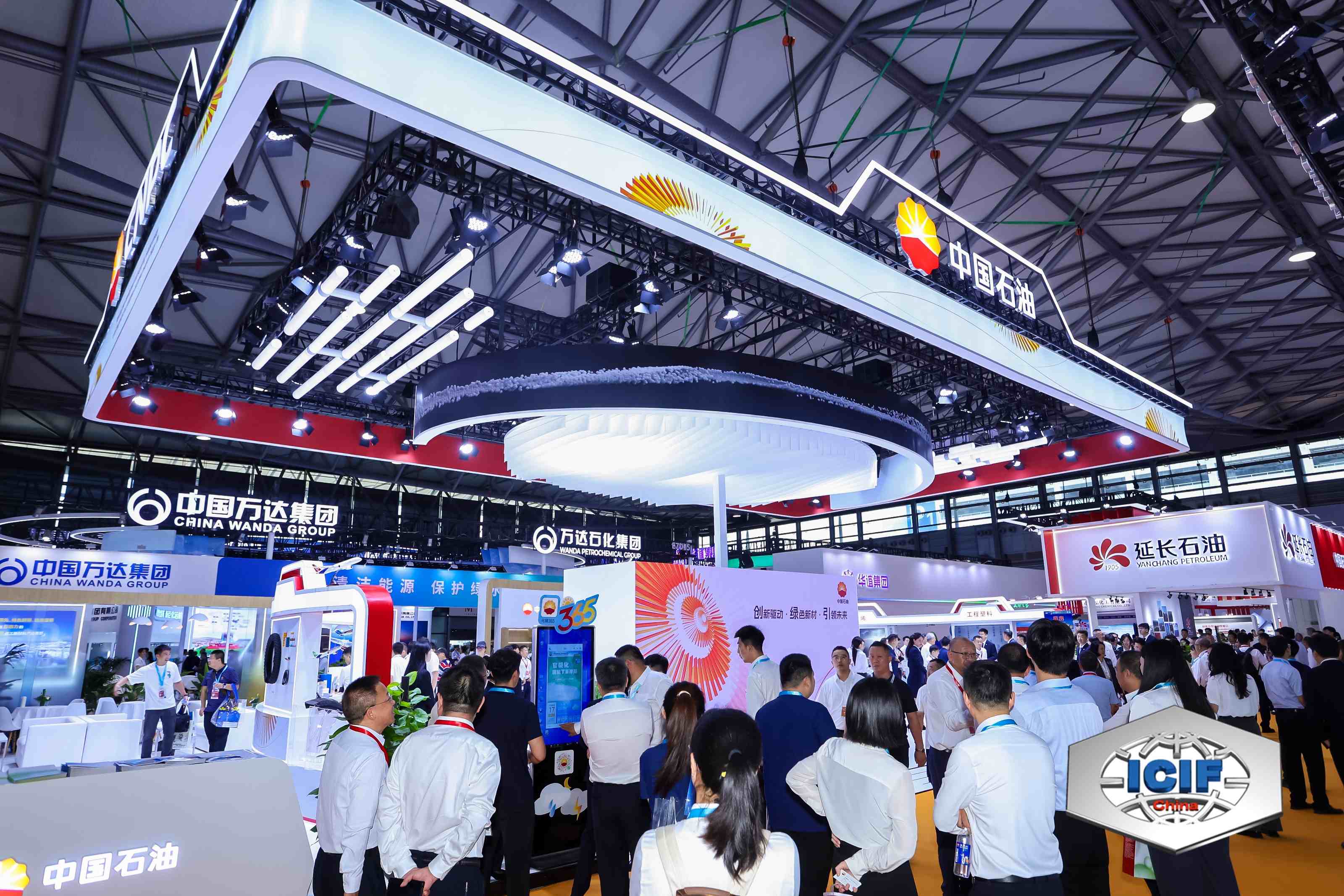
The Chemical Raw Materials Exhibition has evolved into the definitive meeting point where procurement strategies and laboratory breakthroughs intersect. Walking the floor, you quickly realize this is not a passive showcase but a working marketplace: buyers from every corner of the globe come to lock in tomorrow's feedstocks, often shaking hands with the very people who control the reactors. The scale is striking—one aisle might host a boutique firm offering gram-scale niche synthesis, while a few steps away a bulk supplier quotes prices by the metric ton. That range, compressed into a single floor, removes the usual friction between discovery and delivery. Exhibitors don't just hand out brochures; they run pilot reactions, share failed batches, and explain how a molecule moves from an idea to a container ship. It feels less like a trade show and more like an industrial-scale innovation lab that happens to ship by the ton.
Beneath the commercial buzz, sustainability is being tested in real time. Green chemistry here is not a poster slogan but a set of working processes—solvent recovery loops, bio-based intermediates, catalysts that lower energy input—scrutinized by engineers who actually run them. Conversations rarely stop at the spec sheet; they veer into what comes next for specialty chemicals: performance under extreme conditions, traceability of raw carbon sources, and formulations that meet both regulatory pressure and margin targets. Because the technical leads are present, a buyer can negotiate directly with someone who understands reactor kinetics, not just sales quotas. That rare mix of depth and scale makes the exhibition a genuine hub, not just for sourcing today's volumes but for shaping the raw materials that will define the next decade of production.
Contact Us
Contact Person: Shaozhen Zhou
Email: [email protected]
Tel/WhatsApp: 0086-18612117599
Website: https://en.icif.cn/