

Bulk Calcium Chloride 94% Powder: Essential Uses and Handling Tips
2026-11-16
Bulk calcium chloride 94% powder does not look impressive, but few materials match its reach across ice control, dust suppression, concrete acceleration, and moisture management. The difference between smooth operations and a costly mess usually comes down to sourcing the right specification and following a few handling rules. That is exactly what this post focuses on, with practical advice you can apply from the first order. If reliable supply and consistent quality are part of your decision, Shouguang Golden Chemical is a name worth checking.
Why 94% Purity Changes the Math for Bulk Buyers
At first glance, a 94% assay looks close enough to 97% or 99% until the invoice turns into a formulation problem. Every 100 kilograms of material contains six kilos of inert or unspecified fractions. Those kilos still travel, clear customs, occupy warehouse space, and get stirred into a batch, but they do not count toward the active load. A buyer moving multiple drums a week is not just paying freight on product; they are paying freight on six percent non-product, and that line item repeats across every shipment.
The sharper number to track is cost per active kilogram, not cost per kilogram. If a 94% powder sells for $18 per kilo and a 99% version sells for $20 per kilo, the cheaper option looks obvious on a purchase order. But the 94% material delivers 0.94 active kilos per kilo, pushing the effective price to about $19.15 per active kilo. The 99% material delivers 0.99 active kilos, landing near $20.20 per active kilo. The gap shrinks enough that downstream adjustments, rework, or rejected batches can erase the savings entirely.
Inventory planning also bends around that missing six percent. If a production schedule calls for 500 active kilos, 94% purity means ordering roughly 532 kilos, not 500. Storage space, solvent volumes, mixing time, and waste handling all scale with the gross weight rather than the active content. Bulk buyers who ignore this end up with a warehouse full of drums and a shortfall where it actually matters.
De-Icing and Dust Control: Where This Powder Earns Its Keep
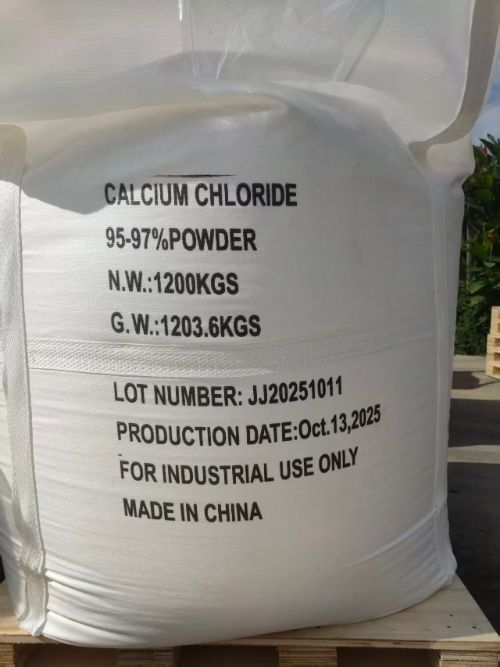
Most people see a plain white powder and think it belongs in a kitchen. But on job sites, unpaved roads, and frozen loading docks, that same unassuming material quietly does the heavy lifting. When temperatures drop and ice starts bonding to concrete, spreading a thin layer of this powder breaks the grip faster than scraping alone ever could. It doesn't just melt the surface; it works its way into the contact point between ice and pavement, loosening the bond so a shovel or plow can clear the area without tearing up the ground underneath.
Dust is a different monster altogether. On gravel driveways, construction access routes, and rural haul roads, fine particles rise with every tire rotation, reducing visibility and coating nearby equipment in a stubborn film. A controlled application of this powder draws moisture from the air and binds loose fines together, forming a thin, stable crust that keeps dust from becoming airborne. The effect isn't permanent, but it lasts long enough to make a real difference during dry stretches, especially where watering trucks can't reach or would only turn the surface into mud.
The appeal isn't in any single dramatic moment. It's in the fact that one storage bag, one spreader setting, and one familiar routine can handle two recurring site problems. No switching between specialized liquids, no waiting for a particular temperature window, no elaborate mixing. That kind of practical overlap is what makes the difference on a cold morning when the skid steer won't get traction, or on a windy afternoon when dust starts drifting toward a neighbor's property line.
Moisture Magnet: How Calcium Chloride Pulls Water from the Air
Drop a few pellets of anhydrous calcium chloride into a shallow dish on a humid day and the surface quickly turns slick. That thin film is not ordinary condensation; the salt is pulling water molecules straight from the surrounding air. Calcium chloride has such a strong affinity for moisture that it keeps absorbing water until the solid dissolves into a clear, dense brine. The process is driven by the difference between the vapor pressure of water in the air and the vapor pressure above the salt's surface, so even air that feels merely damp can provide enough moisture for the reaction to continue.
At the molecular level, calcium and chloride ions pull polar water molecules into a tightly bound hydration shell. As more water arrives, the crystal lattice loosens, then collapses into a liquid solution. This sets calcium chloride apart from passive desiccants like silica gel, which mostly trap water in pores but leave the solid structure intact. Because calcium chloride turns into a liquid reservoir, it can capture a surprising amount of water relative to its own size, which is why it shows up in moisture absorbers, dust control, and deicing blends where steady, prolonged absorption matters more than a tidy appearance.
Mixing and Dilution: Avoiding the Heat Spike
When you combine a concentrated acid with water, the reaction can release enough heat to send the liquid leaping out of its container. That sudden temperature jump isn't just a nuisance; it can crack glass, deform plastic, or send a spray of corrosive droplets across your workbench. The safe habit is to add the acid to the water, slowly and with steady stirring, so the bulk of the liquid absorbs the heat before it has a chance to concentrate in one spot.
This lesson goes beyond the chemistry lab. Any time you're blending a highly reactive substance into a gentler base—whether that's a strong cleaning concentrate, a solvent, or a two-part resin—a similar spike can happen. Splashing everything in at once invites hot spots that alter the mixture's performance or create dangerous fumes. A thin stream, constant motion, and a pause between additions give the blend time to equalize.
Think of it as letting the mixture breathe between sips rather than forcing it to swallow the whole dose at once. If the container feels warm against your palm, ease off. Letting the temperature settle before adding more is a quieter, more reliable way to avoid a runaway reaction that turns a simple dilution into an emergency.
Storage and Handling Without the Clumping Headache
Let’s be honest: nobody looks forward to wrestling with a clumped, rock-hard supplement powder. Unfortunately, humidity and poor packaging turn too many otherwise solid products into a frustrating daily chore. The goal isn’t just keeping the powder dry on day one — it’s making sure scoop after scoop stays loose, easy to measure, and pleasant to use weeks down the line.
The usual culprits are moisture creeping in through flimsy seals, oversized containers that trap humid air every time you open them, and inconvenient tool storage that pushes users to leave the cap half-off. A better approach pairs a low-moisture formulation with thoughtful container engineering: narrow openings, tight gaskets, and a dedicated spot for the scoop so it never gets buried or clings to a sticky lid rim. Desiccant packs can help, but they shouldn’t have to do all the heavy lifting.
When storage works the way it should, the powder pours cleanly, dissolves without lumps, and doesn’t turn into a cement block after one humid afternoon. That’s the difference between a product people repurchase and one that ends up tossed at the back of a pantry. Good handling isn’t flashy — it just quietly keeps your daily routine from becoming a cleanup project.
Corrosion Risks and How to Keep Equipment Alive
Corrosion rarely announces itself with a uniform layer of rust. It starts in the small failures: a scratch in the coating, a damp crevice under a flange, a spot where salt spray lingers after a washdown. Once moisture and oxygen settle into those places, the local chemistry turns against the metal, and material loss can outpace what the general surface condition suggests. By the time rust blooms on the outside, the load-bearing section underneath may already be thinner than the design assumed.
Keeping equipment alive means interrupting that contact before it becomes structural. Drain low points, replace damaged seals, and repair coating damage while it is still just cosmetic. In coastal or chemical environments, pay attention to where dissimilar metals meet; a small insulating gasket or a sacrificial anode can stop galvanic corrosion from quietly eating a flange or bracket. These are not dramatic interventions, but they keep a machine from aging several years in a single season.
Inspection should be specific rather than routine. Track wall thickness at the same marked points, record fastener torque, and map where coatings keep failing. When one location shows a quickening trend, shorten the interval or switch materials instead of waiting for the next scheduled shutdown. Most equipment does not die suddenly; it gets worn down in the places nobody looks until the leak forces attention.
FAQ
Most people buy it for melting ice, keeping dust down on unpaved roads, speeding up concrete setting in cooler weather, and absorbing moisture in storage areas. It is not a single-purpose product, which is why bulk orders are common for maintenance yards and construction sites.
Calcium chloride is strongly hygroscopic, so it pulls humidity straight through small gaps or damaged packaging. Once that moisture gets in, the powder dissolves slightly and recrystallizes into clumps. Keep bags tightly sealed and store them off the floor.
No. A 94% technical grade is meant for industrial and commercial jobs, not for food, brewing, or livestock feed. If you need it for anything edible or potable, ask the supplier for a certified food-grade product instead.
Wear gloves, safety glasses, and long sleeves. Dust can irritate your nose and throat, and wet granules can dry out or irritate skin. If you are shoveling or pouring large amounts, a basic dust mask helps.
That is the wrong order and can cause dangerous splashing. Always add the powder into water slowly, never water onto a pile of dry calcium chloride. The reaction releases heat, so use cool water, a sturdy container, and mix in small batches.
Used at the right dosage, it actually helps concrete set in cold weather. Overuse or repeated deicing applications on older concrete can scale the surface and may increase corrosion risk for embedded steel. Follow mix recommendations rather than adding extra.
Heat alone is not the main problem; humidity is. Store it in a dry, covered area with good airflow, reseal partial bags, and rotate stock so older material gets used first. If the bag feels swollen or stiff, moisture has already gotten in.
Conclusion
Bulk calcium chloride at 94% concentration shifts the value calculation because you are paying for nearly pure active material, not the fillers that dilute lower grades and force you to haul and store extra dead weight. On winter roads and unpaved job sites, that concentration means fewer passes for de-icing and longer-lasting dust suppression, especially when the powder pulls enough moisture from the air to form a brine that binds loose fines together. The trade-off is that the same hygroscopic pull turns an open pile into a hardened mess fast, so buyers who track usage rates by actual calcium chloride content rather than bag weight tend to see the real cost difference over a full season.
Handling this material safely comes down to respecting its heat and its appetite for water. When mixing, add the powder to cool water in small batches and let the solution vent off heat before pumping or spraying; dumping water onto a large charge can cause a violent temperature spike that damages tanks and hoses. Keep it sealed, off concrete floors, and away from bare steel. The chloride will eventually find metal surfaces, so rinsing spreaders, fittings, and trailer beds after use is not optional if you want equipment to survive more than a season.
Contact Us
Contact Person: Tom Cui
Email: [email protected]
Tel/WhatsApp: +8618663670626
Website: https://www.jinjigoldenchem.com