

Best Nightwing Costume: How to Choose the Perfect One
2026-07-21
Are you ready to step into the shadows as Blüdhaven's fiercest protector? Nightwing's sleek, acrobatic look is instantly iconic, but nailing the perfect costume takes more than just a black-and-blue suit. From material quality to emblem details, every choice matters when you're bringing Dick Grayson to life. At CCosplay, we've seen what separates a good Nightwing cosplay from a show-stopping one—and we're here to help you find that standout piece. Dive in to discover the key elements that'll make your Nightwing costume unforgettable, whether you're suiting up for a con or a rooftop photoshoot.
Why Fabric Choice Makes or Breaks Your Nightwing Look
Nightwing’s suit isn’t just a costume—it’s an extension of his agility and combat style, and the fabric you pick either works with that or crumbles under pressure. Stiff, unyielding materials might look sharp in a static pose, but the moment you bend into a crouch or flip across a rooftop, they bunch up awkwardly, restrict movement, and instantly shatter the illusion. A real acrobat would never wear something that fights back, and Dick Grayson certainly wouldn’t either. The right fabric stretches and recovers, hugging close without suffocating, so every leap and kick feels natural instead of staged.
Beyond mobility, sheen and texture play silent roles in how authentic your Nightwing comes across. High-gloss latex reads more fetish wear than vigilante, while a flat matte cotton can look like pajamas under convention lights. What you need is that elusive middle ground—a fabric with a subtle, almost metallic sheen that catches light the way armor might, without screaming for attention. Think performance knits with a slight luster, or blends that mimic the sleekness of comic art without turning you into a walking reflector. The texture should scream “I can take a punch”, not “I came from a party.”
Durability is the dealbreaker nobody talks about until their costume starts pilling mid-event. You’re going to sweat, move, and probably scrape against rough surfaces—a flimsy fabric will show wear after one shoot, while the right choice holds up to repeated use and washes. Look for four-way stretch athletic fabrics with high denier counts or tight weaves that resist abrasion. Your suit should look as sharp at the end of the night as it did when you first zipped up, because a Nightwing who’s fraying at the seams isn’t protecting Blüdhaven—he’s one bad decision away from a wardrobe malfunction.
Comic-Accurate vs. Movie-Inspired: Which Path Should You Take?
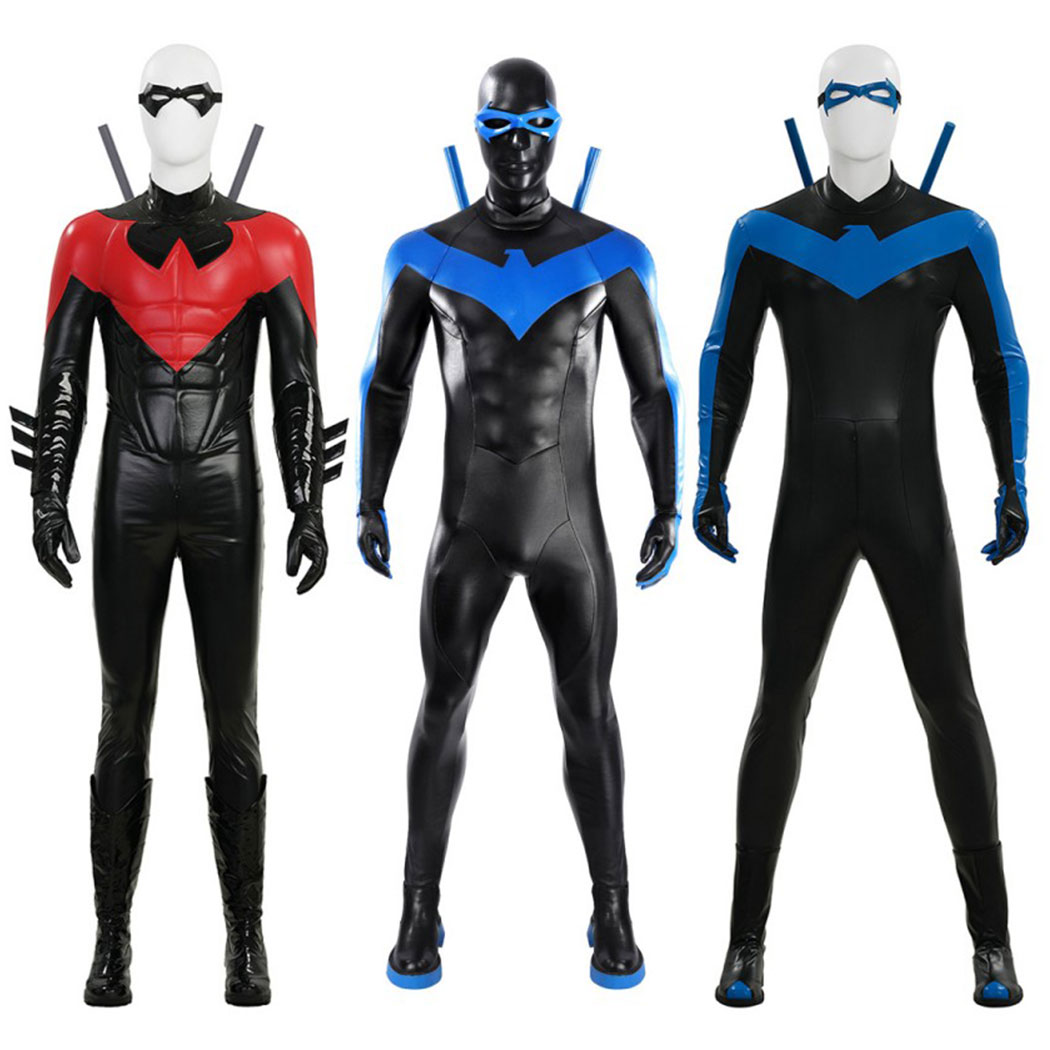
Choosing between comic-accurate and movie-inspired collectibles isn’t just about fidelity to the source material—it’s about what excites you as a fan. The comic-accurate path celebrates the original illustrations, the dynamic poses, and the bold color palettes that first brought these characters to life on the page. It’s for purists who feel a deep connection to the classic stories, where every sculpted muscle and inked shadow speaks directly to their nostalgia. These pieces often capture the raw, unfiltered essence of the hero, untouched by the limitations of live-action reinterpretation.
On the flip side, the movie-inspired route offers a more grounded, tactile take on beloved icons. Here, the emphasis shifts to realistic textures, screen-accurate costumes, and the subtle expressions of the actors who embodied the roles. Collectors drawn to this style often appreciate the craftsmanship of translating a cinematic universe into three dimensions—the weathered armor, the lifelike likenesses, the sense that a piece of the film is sitting on your shelf. It’s an immersive way to relive the spectacle of the big screen and own a tangible memory of the moment a character became real.
Ultimately, there’s no wrong answer. Your collection reflects your personal journey through the fandom, and blending both styles can create a richly layered display. Consider what sparked your passion in the first place—was it the crack of a glossy comic book opening, or the roar of a theater crowd? Let that instinct guide you, and you’ll curate a lineup that tells your unique story.
The Secret to a Snug Yet Flexible Fit
A truly comfortable fit doesn’t come from squeezing everything tight—it comes from intelligent design that moves with you. The key lies in the subtle balance between gentle compression and unrestricted range of motion. Rather than relying on rigid structures, we’ve focused on strategic contouring that hugs your body’s natural lines while allowing full freedom of movement. This approach lets you forget you’re wearing anything at all, even during dynamic activities.
We achieve this by blending flexible panels with targeted support zones. Imagine a second skin that gently holds where needed but stretches effortlessly where you bend and twist. The materials adapt to your micro-movements, preventing that distracting, restrictive sensation that often comes with close-fitting garments. It’s the difference between feeling trapped and feeling supported—a small but vital distinction that transforms your daily comfort.
Over time, this thoughtful construction also maintains its shape and hold without losing its original give. You won’t have to wrestle with the fabric or worry about it losing its form after a few wears. That’s the hidden art: a fit that stays snug enough to feel secure but flexible enough to let you live your day without a second thought.
Essential Accessories That Complete the Ensemble
A well-chosen accessory does not simply accompany an outfit; it transforms it, adding a layer of personality that off-the-rack clothing rarely achieves. Think of the way a slender silk scarf, loosely knotted at the throat, can turn a plain white shirt into a statement of effortless chic. Or how a vintage leather belt, worn with age, introduces a sense of history to a modern dress. The key is to see each addition not as an afterthought but as an essential narrative tool, guiding the eye and shaping the story your clothes tell without uttering a single word.
Footwear grounds the entire look, often setting the tone before anything else. A pair of suede ankle boots with barely-there heels can sharpen a flowing midi skirt, while a minimalist leather sandal brings a sense of calm luxury to tailored trousers. Bags, too, carry more than essentials—they carry aesthetic weight. A structured frame bag in an unexpected pop of color can redefine the palette of your entire outfit; a soft, slouchy hobo bag introduces a counterpoint of ease to more polished pieces. These carefully selected anchors create a visual conversation between intention and spontaneity.
Jewelry, when used with nuance, is the subtle punctuation of style. Layered fine chains of varying lengths draw the eye upward, framing the face, while a single sculptural cuff can lend a modern edge. The charm lies in mixing materials: matte wood alongside polished metal, a simple leather cord paired with a delicate gold pendant. Even the choice of eyewear—whether a bold oversized frame or delicate rimless design—adds a final brushstroke. The ensemble only truly breathes when every element interacts, proving that accessories are never merely added, but integral threads woven into the fabric of personal expression.
Balancing Budget and Quality: Where to Splurge and Save
Deciding where to throw extra cash and where to pinch pennies isn’t just about numbers—it’s about knowing what actually upgrades your daily experience. I’ve learned that the best approach is to invest heavily in the things that touch your senses every single day. For instance, a mattress shouldn’t be a bargain bin item because you spend a third of your life on it. Similarly, kitchen essentials like a knife set or a sturdy pan make cooking feel less like a chore and more like a hobby. On the flip side, trendy decor and ultra-fast fashion can be left on the shelf without regret.
There’s also a sweet spot where quality meets value that many people overlook. Take electronics—do you really need the latest model with a slightly better camera, or would last year’s version do 90% of the job at half the price? I splurge on anything that directly impacts my health and well-being, like running shoes, but I’ll happily buy generic brand groceries if the ingredient list is the same. The trick is to avoid the middling zone: don’t spend a moderate amount on something mediocre that neither excites you nor gets the job done cheaply. Go big or go budget, but rarely choose the lukewarm middle.
Finally, think long-term. A quality winter coat might sting upfront, but it’ll outlast three cheaper ones and keep you warmer. Meanwhile, items that come and go with the seasons—think seasonal decorations or novelty kitchen gadgets—are prime candidates for saving. The real skill is detaching spending from ego; nobody notices or cares about the price tag on your sofa, but you’ll notice every saggy cushion while watching Netflix. Put your wallet where your comfort and lasting satisfaction live.
Cosplay Ready or Casual Wear? Tailoring Your Choice to the Event
Deciding between going full cosplay or keeping it casual hinges on what kind of event you're stepping into. A dedicated anime convention or a cosplay competition practically begs for the elaborate costume—you’ll feel the buzz of creativity the moment you walk through the doors, and you’ll be surrounded by people who appreciate every hand-stitched detail. But if you’re heading to a more laid-back fan meetup at a local cafe, or a movie premiere where costumes aren’t the main focus, a head-to-toe character look might feel out of place and even uncomfortable after a few hours. Reading the room in advance saves you from awkwardness and lets you match the energy of the crowd.
There’s also a middle ground that many enthusiasts swear by: casual cosplay or “closet cosplay.” It lets you tip your hat to a favorite character without the pressure of a full getup—think a graphic tee that echoes a hero’s emblem, color-blocked outfits that mirror a signature palette, or subtle accessories like a pendant or bracelet that only true fans will recognize. This approach works brilliantly for multi-day conventions where you might reserve the heavy armor for the main day and rock something low-key on the side, or for outings where you want to rep your fandom but still blend into a general audience. It’s comfortable, affordable, and sparks just the right kind of conversation without shouting for attention.
At the end of the day, authenticity beats a costume checklist. If you’re more at ease in jeans and a clever reference tee, own that choice; if you live for the transformative magic of full cosplay, then commit to it fully and savor every moment. The best outfit is one that lets you connect with the experience, not one that leaves you fidgeting or feeling like an outsider. Let the event’s vibe be your compass, but never silence your personal style—sometimes the most memorable looks come from those who bend the unwritten rules a little.
FAQ
A great Nightwing costume stands out because of its sleek, tactical design. It combines dark colors with the signature blue bird emblem across the chest. The form-fitting suit and finger stripes add to its unique look, making it both practical and instantly recognizable.
Focus on materials that offer both durability and flexibility. Look for reinforced stitching, especially around the emblem and mask, and fabrics that allow for a full range of motion. Attention to details like the utility belt and escrima stick holders also makes a big difference.
The classic blue and black design is a fan favorite for cosplay because of its bold, iconic appearance. However, the Rebirth version with its brighter blue and added red accents is also popular for its modern twist. Choose based on personal preference and the specific era you want to represent.
Always check the size chart and measure yourself carefully. Opt for costumes made from stretch materials like spandex blends, which conform to your body without restricting movement. If possible, choose options with adjustable features like belts or straps for a more customized fit.
Absolutely. The mask is essential for completing the Nightwing identity, and it should be comfortable and secure. Escrima sticks and a utility belt are also crucial. Some costumes even include boot covers or gauntlets to enhance the overall look.
Hand washing in cold water with mild detergent is usually best. Avoid harsh chemicals and high heat when drying to prevent fading or damage. Store it flat or on a padded hanger to maintain its shape for future use.
Definitely! Many fans wear them for charity events, movie premieres, or even fitness challenges. The costume's athletic style makes it suitable for active events, as long as you choose a breathable, performance-ready design.
Conclusion
Nailing that perfect Nightwing costume comes down to more than just a black-and-blue suit—it’s about balance. The fabric you pick truly sets the tone: a heavy, unyielding material kills mobility and looks stiff, while something too thin risks cheapening the entire ensemble. Aim for a four-way stretch spandex or a breathable athletic knit that hugs your body without restricting movement. And speaking of hug, fit is everything. A suit that’s baggy in the wrong places ruins the sleek silhouette, but one that’s overly tight will have you tugging at seams all night. Focus on tailored cuts or custom sizing, especially if you’re between standard options. Budget-wise, don’t skimp on the base suit or the mask—those are the backbone of the look. You can save on detachable accessories like escrima sticks or belts, where later upgrades are easy.
Deciding between comic accuracy and movie-inspired flair shapes your entire approach. Maybe you’re drawn to the classic blue bird emblem and slicked-back hair, or perhaps the armored, tactical vibe from Titans speaks to you. Both are valid, but consistency matters: once you pick a lane, commit to it in the details. The right accessories—think finger-striped gloves, the signature domino mask, and utility pouches—tie everything together, but overloading can look cluttered. Finally, tailor your build to the occasion: a foam-padded, full-body suit with light-up chest piece might steal the show at a convention, but for a casual Halloween party or a photoshoot, a simpler, more comfortable version often works better. It’s about wearing the costume, not letting it wear you.
Contact Us
Contact Person: Sunny
Email: [email protected]
Tel/WhatsApp: +86-180-1086-8579
Website: https://www.ccosplay.com