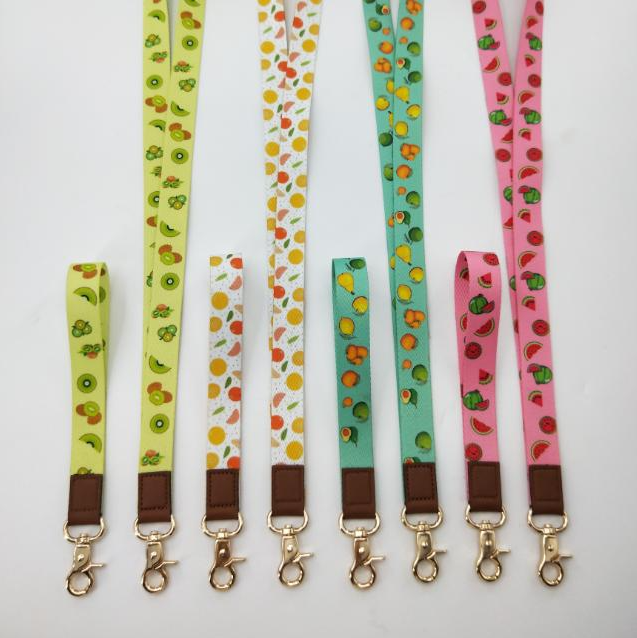

Best ID Badge Holder Lanyard Choices for Secure and Comfortable Everyday Wear
2026-11-16
Every workday starts with the same small ritual: sliding an ID badge into a holder, clipping it to a lanyard, and hoping it survives the commute without snapping, tangling, or turning into a wearable nuisance. The right badge holder lanyard does more than carry a card—it keeps credentials secure, sits comfortably against your neck for hours, and handles everything from security gates to coffee runs. DONGCHUANG builds lanyards with that daily grind in mind, pairing rugged hardware with soft, snag-free straps. Before you settle for another flimsy freebie from the supply closet, here's what to look for in a lanyard that actually earns its place in your routine.
Lanyard Materials That Feel Soft Against Your Skin
The difference between a lanyard you forget you're wearing and one you can't wait to rip off usually boils down to the fabric touching your neck. Brushed microfiber and combed cotton blends have a broken-in feel from the first wear, with none of the stiff, plasticky edge that cheaper polyester straps tend to carry. The fibers are woven loosely enough to let air move through, which keeps that damp, clingy sensation at bay even on long conference days.
Satin-finish nylon is another quiet favorite for people with sensitive skin. The smooth weave glides instead of rubs, so there's no telltale red mark after hours of badge-swinging. For a more natural hand, bamboo-derived rayon offers a cool-to-the-touch softness that holds up after repeated washes without turning rough or pilled. These choices prioritize how the lanyard feels against your collarbone, not just how it looks hanging from your neck.
Breakaway Clasps Are a Small Detail That Prevents Big Accidents
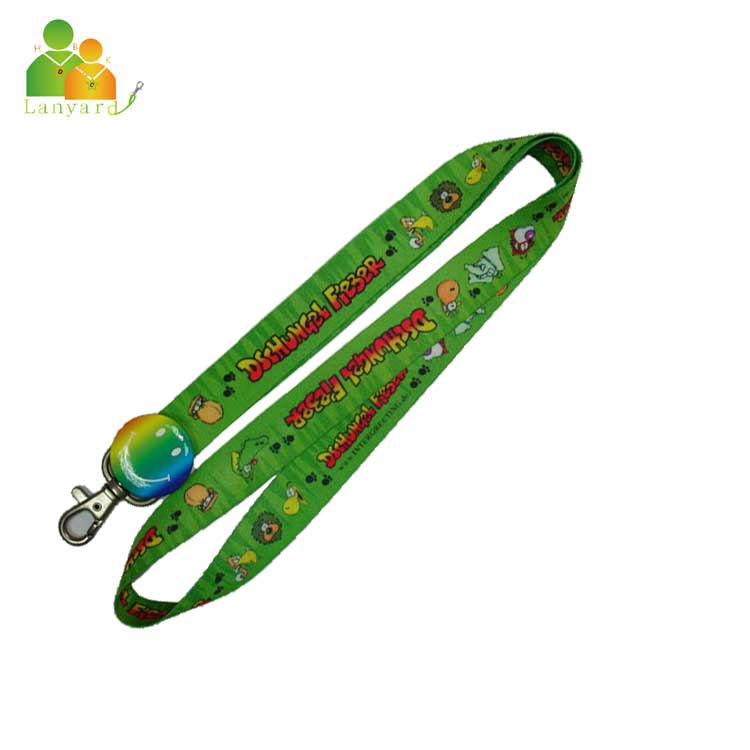
You rarely notice them until something goes wrong. Breakaway clasps are designed to release under pressure, which means a snagged necklace won't turn into a choking hazard or a caught pet collar won't leave an animal trapped. They're the kind of component that sits quietly in the background, doing its job only when a potential disaster is already unfolding.
In settings like hospitals, schools, or even playgrounds, these clasps have prevented injuries that standard fasteners would have made far worse. A nurse's badge lanyard that separates when a patient grabs it, a child's ID bracelet that pops open when it catches on playground equipment—these aren't hypothetical scenarios. They're real moments where a few grams of thoughtfully engineered plastic or metal made the difference between a close call and a serious accident.
The beauty of a breakaway clasp is that it doesn't require the wearer to think about safety. It simply fails in the right way at the right time. That passive reliability is why more industries are swapping out rigid connectors for breakaway versions, even when the change is almost invisible to the end user. The best safety features often are.
How to Test a Badge Holder for All-Day Comfort
Start by wearing the badge holder during a normal workday, but don't just clip it on and forget about it. Pay attention to how it sits against your shirt, blouse, or jacket after the first hour, then again after lunch, and once more before you head home. Most discomfort shows up as a subtle pinch near the collar, a constant pull on one shoulder, or a dull rubbing spot that only becomes obvious when you finally take it off. If you find yourself adjusting it more than twice without thinking, that's a sign the design isn't working with your movements.
The real test comes when you stop standing still. Bend down to pick something up, reach across a desk, twist to grab a file from behind you, and walk quickly down a hallway. A comfortable badge holder should stay put without yanking on your clothes or swinging into your chest. Try clipping it to different materials too—thin cotton, a heavy cardigan, a lanyard around your neck, even a belt loop—because the same holder can feel fine on denim but irritating on a silky blouse. Give each position at least twenty minutes before making a judgment.
Finally, check what happens at the end of the day. Look for red marks, indentations on your skin, or a sore spot where the clip pressed. Run your fingers over the edges of the holder and the back of the clip; any sharp corner or rough seam will only get worse after eight hours. If you wear it with a retractable reel, extend and retract the cord a dozen times in a row to see if it snags or pulls unevenly. Comfort isn't just about soft padding—it's about how the holder forgets it's there while you get on with your work.
Styles That Hold Up Without Looking Bulky
Warmth rarely needs to announce itself with puffed-up silhouettes. A close-fitting merino base layer beneath a lightly quilted overshirt can trap heat without adding visual weight, especially when the outer piece is cut with just enough room through the shoulders and a straight hem that stops at the hip.
Fabric density matters more than thickness. Look for compact knits, brushed cotton flannels, or wool blends with a tight weave—these insulate by slowing air movement rather than relying on loft. Details like ribbed cuffs, a two-way zip, or a hidden storm placket keep cold out while preserving a cleaner line through the torso.
Fit is the quiet fix. Instead of sizing up to accommodate layers, choose coats and jackets with raglan sleeves or underarm gussets that move with you. A vest worn over a fine-gauge turtleneck can add core warmth without the bulk of another sleeve, letting you stay comfortable indoors and out.
The Underrated Role of Strap Width in Neck Strain
Most people blame heavy bags or poor posture for neck pain, but the width of a strap quietly decides how pressure spreads across your shoulder and upper back. A thin strap concentrates force into a narrow line, digging into soft tissue and forcing your neck muscles to compensate. Over hours of wear, that subtle imbalance slowly builds into stiffness and strain that no amount of stretching seems to undo.
Wider straps change the equation by distributing weight over more surface area, reducing peak pressure points that trigger protective muscle spasms. The difference feels less like extra padding and more like the load becomes part of your body’s rhythm instead of a foreign weight fighting against it. Even with the same bag and the same contents, switching from a one-inch to a two-and-a-half-inch strap can mean arriving home with a free-moving neck rather than one locked in quiet protest.
What makes strap width underrated is how it hides behind other factors. Backpack fit, load distribution, and carrying duration get the attention, yet a too-narrow strap undermines all of them. The body doesn’t care about your bag’s brand or its clever compartments—it only reads pressure per square inch. And when that number climbs too high, the neck pays the price silently, long before you notice the ache.
Why Quick-Release Buckles Are Worth the Extra Cost
Most people see the price difference and immediately write off quick-release buckles as a needless upgrade. But after the third time you've wrestled with a stiff latch while holding a squirming dog or a half-open toolbox, that extra few dollars starts looking like the cheapest insurance you'll ever buy.
The real value isn't just speed—it's what that speed buys you. A one-handed release means you can keep your grip on the load, your eyes on the trail, or your balance on a ladder. Standard buckles force you to pause, fumble, and sometimes put everything down just to get the strap off. Quick-release designs remove that micro-interruption from every single use, and over months of daily wear, those saved seconds add up to less frustration and fewer dropped items.
Then there's the durability angle. Cheap buckles often fail at the gate or the spring, leaving you with a strap that's only half functional. A well-made quick-release mechanism, though, is built to survive repeated snapping open and closed without loosening up. You're not paying for a fancy feature—you're paying for a part that won't quit on you when you're halfway through securing a kayak to the roof at 6 a.m.
FAQ
A wider strap with soft, rounded edges makes a big difference over long shifts. Look for a lightweight swivel hook or clip so the badge doesn't tug at your neck, and avoid thin cords that can dig into the skin after a few hours.
Woven polyester or nylon are the most practical choices. They resist fading, dry quickly, and can handle machine washing without fraying. Cotton lanyards feel soft at first but tend to absorb moisture and wear out faster.
A design with a rigid plastic strap or a double-ring attachment helps keep the badge facing forward. Some lanyards have a non-swivel connector that locks the badge in one position, which is useful if you need ID scanners to read it without adjustment.
A breakaway clasp releases when the lanyard is pulled hard, which prevents choking or getting caught in equipment. It's a simple safety feature that costs almost nothing extra but can prevent a serious accident.
A wider strap spreads the weight across more of your neck and shoulders, so even a heavy badge or access card feels lighter. Thin cords concentrate pressure on one small spot and often cause neck ache or skin irritation by the end of the day.
Yes, if you stick to muted colors like navy, charcoal, or dark green and choose matte-finished hardware instead of shiny metal. A tightly woven, not too glossy strap looks neat with business attire and still feels comfortable against the collar.
Every six to twelve months is a good rule for heavy use. Check for frayed edges, a loosening clip, or a fading print that makes your ID hard to read. Replacing it before the clasp fails is cheaper than losing a badge or access card.
Some badge holders come with a belt clip or retractable reel instead of a neck strap. These keep the badge accessible without touching your neck or collarbone, though they work best with lighter ID cards and may not suit every uniform style.
Conclusion
Finding a lanyard that doesn't irritate your neck by mid-morning starts with the material. Soft, woven fabrics or smooth polyester blends feel gentle against skin, unlike stiff nylon that can chafe after a few hours. But comfort isn't only about texture—safety matters too. A small breakaway clasp behind the neck might seem minor, but it snaps open under pressure so the lanyard won't catch on equipment or a door handle and cause an injury. Before committing to any badge holder, wear it around the house for a full day. Pay attention to whether the edges dig in, the badge flips too much, or the clip rubs against your collarbone. If any of those show up early, you'll save yourself daily annoyance by choosing a different design.
You also want something that holds your ID securely without adding bulk under a blazer or lab coat. Flat, reinforced badge holders with slim profiles do the job and won't create an odd lump. Strap width is the quiet factor many people overlook. A very thin cord concentrates pressure across a small area of your neck, leading to soreness by the end of a shift. A slightly wider, padded strap distributes weight more evenly. Finally, quick-release buckles cost a bit more, but they let you detach keys or a badge without pulling the whole lanyard over your head. That convenience matters when you're juggling a coffee, a phone, and a door pass. Spending a few extra dollars on that detail turns a basic lanyard into something you actually forget you're wearing.
Contact Us
Contact Person: Bill Huang
Email: [email protected]
Tel/WhatsApp: 8613829102720
Website: https://www.dclanyard.com