

Best First Aid Box Supplier for Reliable Emergency Preparedness Kits
2026-11-21
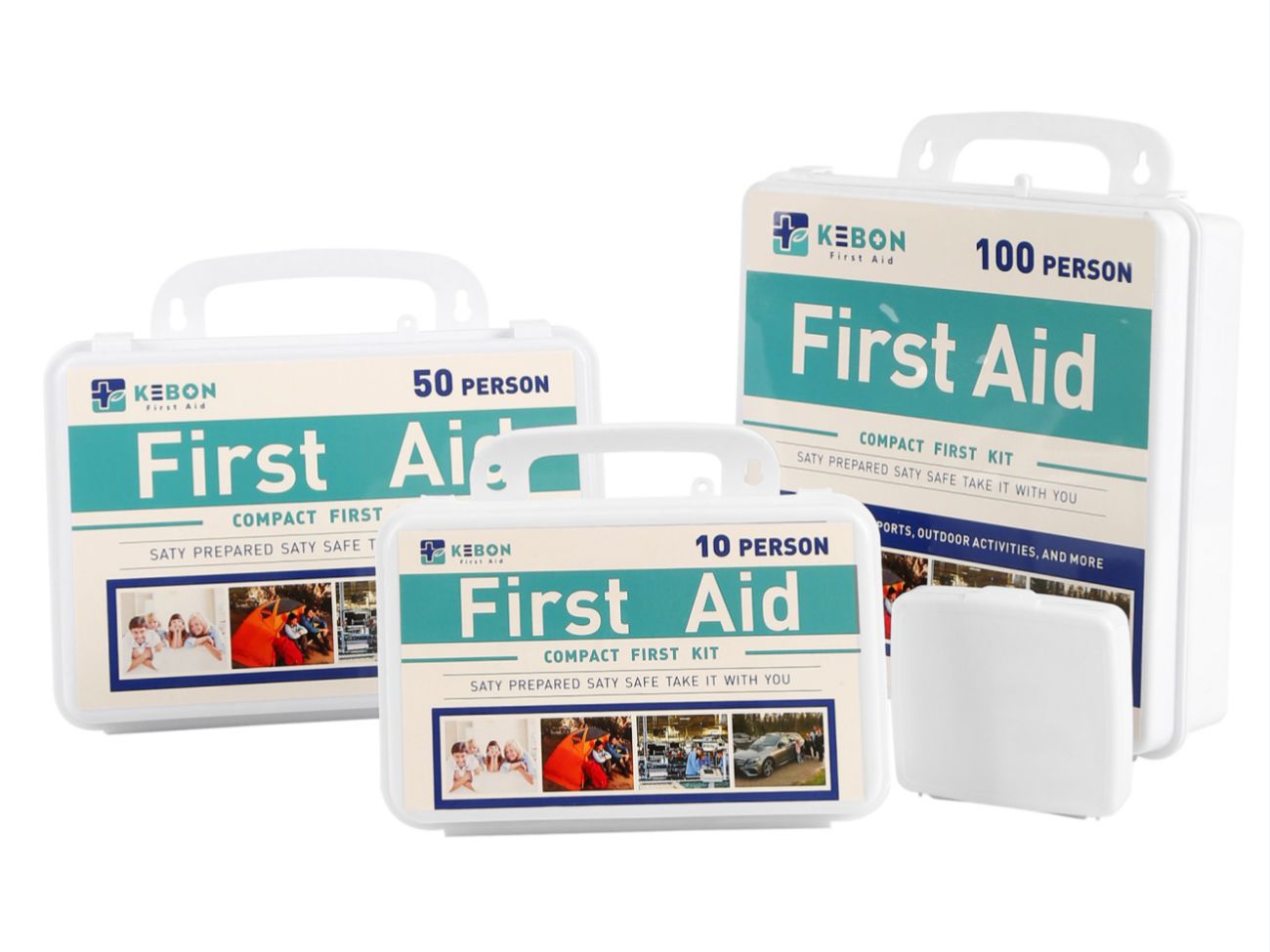
When an emergency strikes, a well-stocked first aid box isn't just a box on the wall—it's your first line of defense. Yet many kits fall short right when they matter most. If you're looking for a first aid box supplier that combines dependable contents with kits designed for real-world pressure, Kebon is changing what reliability should mean. From home shelves to workplace cabinets, the right kit can turn panic into action. Here's why your choice of supplier matters more than you think.
What Actually Belongs in a Dependable Emergency Kit
A dependable emergency kit earns its name by covering the unglamorous gaps, not by collecting every survival gadget on the shelf. Water and shelf-stable food are the obvious starting point, but the details matter just as much: a manual can opener, a way to purify water, and at least a week of prescription medication. Add spare eyeglasses, some cash in small bills, and a printed list of phone numbers. When the power is out and your phone is dead, those low-tech backups suddenly feel far more valuable than another battery pack.
The items that get used most in real emergencies are often the least exciting. Duct tape, heavy-duty garbage bags, work gloves, and a basic multi-tool can solve everything from a broken window to a torn tarp. Keep copies of important documents on a USB drive and in a waterproof sleeve, and do not skip hygiene supplies like soap, moist towelettes, and menstrual products. These are the things that keep a bad situation from turning into a health or paperwork nightmare.
Make the kit fit your actual life. A local map, a flashlight with spare batteries or a hand-crank option, a whistle, and a small comfort item for each child or pet can reduce panic when everything else feels unfamiliar. Rotate food and batteries twice a year and store the kit in a container you can actually carry. A well-built emergency kit is less about volume and more about having the right tools in working order when the usual systems stop cooperating.
Supplier Checks Most Buyers Never Think to Ask About
Most buyers run the usual checks: business license, bank details, maybe a quick video call. But the gaps that cause real trouble are rarely on that list. Ask who owns the molds you are paying for, and what happens to them if the supplier closes tomorrow. Ask for the names of the last three factories they walked away from, and why. A supplier who has never fired a customer or refused a bad order has not been tested under pressure.
Dig into how they handle subcontracted work. Many trading companies quietly outsource your order to a workshop they have never audited. If they cannot show you a subcontractor control plan, you are not buying from a factory; you are buying a lottery ticket. Also check their raw material storage records, not just their finished goods photos. A clean warehouse photo tells you nothing, but a supplier who tracks lot numbers and can trace a defect back to a single coil of steel is one you can actually hold accountable.
Finally, test their answer to a simple question: "What would make you reject this order before shipping?" Most will say nothing, because they assume you want reassurance. The ones worth keeping will list concrete thresholds, like a 3% dimensional drift or a surface finish below a certain grade. If a supplier cannot imagine rejecting their own work, they will never protect you from it.
Why a First Aid Box Should Fit the Way Your Household Lives
A first aid box often ends up as a one-size-fits-all container, but the way you actually live rarely matches that assumption. A family with young children deals with scraped knees, splinters, and sudden fevers, while a household of runners or cyclists is more likely to need blister care, muscle wraps, and cold packs. Before adding another bandage box to the shelf, think about the routines, hobbies, and common mishaps that already shape your days. The goal is not a clinical supply closet but a kit that feels familiar when you reach for it in a hurry.
Placement matters as much as the contents. If your household spends most evenings in the living room or the kitchen, keeping the kit in a hallway closet upstairs means fumbling through the dark during an emergency. Consider splitting supplies into two small pouches: one near the main activity area for cuts and burns, another in the bathroom for wound cleaning and medications. This avoids the trap of a single overstuffed box that no one can close properly after the first use.
Size should match your storage reality rather than an imagined ideal. A compact magnetic case on the side of the refrigerator works well for apartments, while a larger divided organizer makes sense for a garage workshop or a home with frequent guests. The test is simple: if you hesitate to put something back because the box is too full or too deep, it will slowly become a messy drawer. A first aid box that fits your household is one you will actually restock and use without thinking twice.
Differences Between Home, Vehicle, and Workplace Kits
Most people assume a first aid kit is a first aid kit, but the contents of a home kit, a vehicle kit, and a workplace kit rarely overlap as much as you'd expect. At home, you're dealing with everyday mishaps like minor burns, splinters, paper cuts, or a child's scraped knee. Your kit should lean toward comfort and quick cleanups: assorted adhesive bandages, antiseptic wipes, a digital thermometer, tweezers, scissors, and maybe an instant cold pack. There's also room for personal items like allergy medicine, pain relievers, or spare prescription eyeglasses, because at home you know who lives there and what they might need.
A vehicle kit lives in a much less predictable environment. You might be on a highway miles from help, dealing with a cut from broken glass or a sprained ankle after changing a tire. Along with basic bandaging supplies, a good car kit should include a flashlight with spare batteries, a reflective warning triangle, disposable gloves, a seatbelt cutter, and a compact emergency blanket. Weather matters too: add hand warmers in cold regions or a spare bottle of water in hot ones. Since storage space is tight and temperatures swing wildly, you can't just toss a home kit in the trunk and call it done—many adhesive products and ointments degrade in extreme heat or cold.
Workplace kits are a different animal altogether. Here the goal is compliance and scale. Depending on the number of employees and the nature of the work, an office kit might need only basic first aid supplies, while a warehouse or construction site kit requires things like eye wash solution, burn dressings, heavy-duty bandages, and splints. Workplace kits also need to be restocked on a schedule, with clear documentation of what's inside and when it expires. Often the best approach is a modular cabinet that can be refilled by category—cuts, burns, eye injuries, trauma—rather than a grab-and-go bag. At home you reach for a kit during a chaotic dinner accident; in a workplace, someone needs to locate it, use it correctly, and log the incident afterward.
Storage Habits That Keep Supplies From Going Bad Early
A lot of pantry losses come down to heat and moisture rather than time alone. Keeping flours, nuts, and oils in their original paper or plastic bags next to the stove or fridge vent gives them a head start on going stale, so transferring anything with natural fats into glass jars or metal tins and storing them in a cooler cabinet changes the shelf life more than any date on the label.
Opening a package and leaving it half-rolled also invites trouble. Air is what turns crackers soft, spices flat, and grains musty, so squeezing out extra air, clipping bags tight, or using a simple canning jar with a fresh lid keeps textures and smells closer to the day you bought them. For things you use slowly, decanting a small amount into a working jar and keeping the rest sealed in the freezer stops the cycle of opening and closing a big container every time.
Rotating older items to the front before adding new ones sounds small, but it works because it removes the guesswork from what should be used first. Marking jars with an opened-on date instead of relying on memory means you catch the bag of rice or bottle of vinegar before it fades, and you stop buying duplicates that end up buried for years.
A Simple Seasonal Restocking Routine Anyone Can Follow
A restocking routine only sticks when it leans on what you already notice. Keep a magnetic notepad on the fridge or a shared note on your phone, and add an item the moment you open the last package—not when you think about organizing later. By the time the weather shifts, you are not guessing. You have a short list of things that actually ran out, from hand soap to hot sauce.
Then give yourself a twenty-minute window at the start of each season. Walk through the kitchen, bathroom, and entryway with the list, but ignore the urge to fix everything at once. Pull expired jars, replace worn towels if they are beyond saving, and buy only what the household used up. The routine works because it follows real consumption rather than a perfect pantry photo.
FAQ
Look at how they handle product traceability, whether they can explain the sourcing of each component, and if they offer clear expiration date tracking. A dependable supplier will usually provide straightforward documentation and won't hesitate to share details about restocking cycles or packaging durability.
Open it up and check for practical items that match your real risks, such as trauma pads, emergency blankets, and a well-sealed CPR face shield. The case itself matters too; it should have internal organization that keeps supplies accessible under stress instead of everything being crammed into a single pouch.
Many do, but you should ask for scenario-based recommendations rather than accepting a one-size-fits-all product. A kitchen kit might lean toward burn care and finger dressings, while a vehicle kit should include high-visibility items and a compact tourniquet. The supplier should be able to explain why they selected each item for that environment.
People often forget about shears that can cut through thick clothing, a penlight with spare batteries, a notepad for recording vital signs, and an emergency contact card that works without a phone. Also, a few doses of common over-the-counter medication can make a difference when help is delayed.
A practical rhythm is to check the box every quarter, or immediately after any incident where supplies were used. During each check, inspect seal integrity, replace anything past its expiration date, and make sure the case still closes properly. In high-traffic areas, monthly checks may be more appropriate.
Yes, but do not rely on vague claims. Ask which specific standards or classification the kits align with, such as workplace safety requirements in your region or recognized first aid guidelines. A transparent supplier will be able to name the standard and explain how their contents meet it.
Ask about consistency across batches, how they manage shipping to different locations, and whether they can provide a single point of contact for reordering. You might also want to know if they can replace individual components later, so you are not forced to buy an entirely new kit when only a few items run low.
They can be, if they are built around likely scenarios rather than just being miniature versions of a home kit. For a car, the priority should be immediate trauma care, weather-related items, and signaling tools. For hiking, focus on wound cleaning, blister care, and lightweight emergency shelter. Ask the supplier to explain the logic behind each included item.
Conclusion
A dependable emergency kit goes beyond bandages and antiseptic wipes. It should include items that match real daily risks: burn gel near the kitchen, a compact splint in the car, allergy medication if someone in the house needs it, and enough gauze pads to handle heavier bleeding than a scraped knee. The right supplier makes this easier by offering boxes that are not just stuffed with generic filler, but built around how you actually live. Before buying, it helps to ask about case durability, latex-free options, expiry tracking, and whether the contents can survive temperature swings inside a vehicle or a garage.
Home, vehicle, and workplace kits serve different purposes, so a single design rarely works everywhere. A car kit needs compact, heat-tolerant supplies, while a workplace box may need more burn care and eye wash, and a home kit should reflect your household size and hobbies. Storage habits matter just as much as the initial purchase; humidity, sunlight, and forgotten corners can ruin adhesive bandages and degrade ointments long before the printed date. A simple seasonal check, tied to daylight saving changes or the start of a new quarter, helps rotate expired items and replace used supplies without turning it into a chore. That routine, paired with a supplier who answers the awkward questions about shelf life and case seals, is what separates a reliable preparedness kit from a box of expired good intentions.
Contact Us
Contact Person: Andy Yu
Email: [email protected]
Tel/WhatsApp: +86 19858933676
Website: https://www.kebonfirstaid.com