

Best CNC Lathe Manufacturer: A Guide to Precision and Reliability
2026-05-14
When every micron counts and production deadlines loom, choosing the right CNC lathe manufacturer isn't just a decision—it's the foundation of your shop's success. In a market flooded with promises of precision, WINNRUI CNC stands apart by turning complex machining challenges into reliable, repeatable outcomes. Whether you're crafting intricate aerospace components or high-volume automotive parts, the machine behind the cut defines your capability. This guide strips away the marketing fluff to explore what truly matters in a CNC lathe: from spindle integrity and thermal stability to the support that keeps you turning long after the sale. Step into a world where precision isn't a spec sheet fantasy, but a daily reality, and discover why the right partner changes everything.
Core Attributes of a CNC Lathe Worth Your Investment
A machine that earns its keep starts with a rock-solid frame—cast iron beds with wide, hand-scraped ways aren't just tradition, they're the backbone that kills vibration before it reaches the tool tip. Pair that with linear guides or hybrid box-way designs, and you get both the rigidity for heavy cuts and the speed for finishing passes, without the nervous chatter that ruins surface finish and inserts alike.
Spindle performance is where promises meet reality. Look past peak horsepower to torque curves that hold flat across low RPMs—that's what delivers the twist to drive large drills or take deep cuts in tough alloys without stalling. A cartridge-style spindle with proper preload and labyrinth seals tells you the builder cares about longevity, not just spec-sheet numbers. And when the spindle integrates a C-axis with enough resolution for live tooling and contouring, you unlock turning, milling, and drilling in one clamping, slashing handling time and part costs.
Control and serviceability separate a lathe you can rely on from one that collects dust. A conversational programming interface that doesn't fight you—think clear menus, macro capability, and built-in cycles for common features—reduces setups from hours to minutes. But just as critical is how the machine is put together: centralized lubrication, accessible way covers, and a control cabinet designed for quick troubleshooting. When the coolant tank slides out for cleaning and the chip conveyor has a clear path, you're not buying a project—you're buying production time your shop can count on.
How Advanced Spindle Technology Defines Cutting Performance
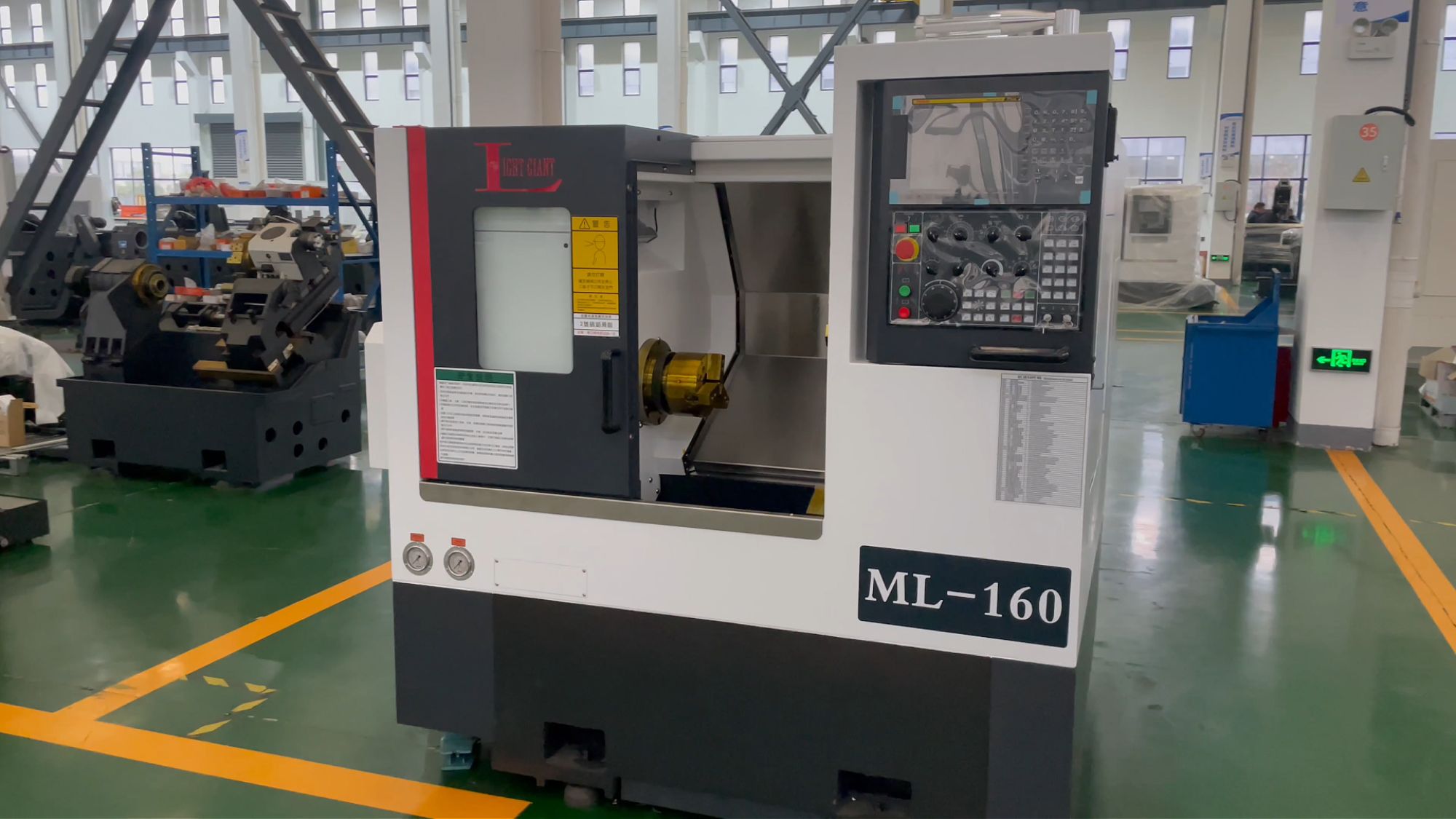
At the heart of high-performance machining lies the spindle, a component whose design and engineering directly dictate the limits of speed, precision, and surface finish. Advanced spindle systems leverage ceramic bearing hybrids and lightweight shaft materials that push rotational speeds well beyond conventional boundaries without sacrificing rigidity. This means finer cuts, reduced cycle times, and the ability to maintain tight tolerances even during prolonged operations. The thermal behavior is equally critical: innovative cooling jackets and internal lubrication channels counteract heat buildup, preserving dimensional stability and extending tool life in ways that basic spindle assemblies cannot match.
Dynamic stiffness and vibration damping separate premium spindles from the ordinary. By integrating sensor networks and adaptive control loops, modern spindles can predict and neutralize chatter before it degrades the workpiece. Real-time feedback adjusts parameters such as torque and preload, ensuring the cutting edge engages the material with consistent force. This active management of mechanical resonance directly translates into smoother finishes and the confidence to mill complex geometries without hesitation. As a result, operators can explore more aggressive toolpaths that were once off-limits due to chatter risks.
Beyond raw performance numbers, the real impact emerges in the shop floor: a spindle that holds runout to microns enables tool coatings to work optimally, while a thoughtfully balanced rotating assembly reduces noise and extends bearing life. These subtle advantages accumulate into higher yield rates and less downtime, redefining what a machine tool can deliver. Whether it’s micro-machining medical components or roughing titanium airframe parts, the spindle remains the silent arbiter of capability, pushing the entire machining system toward greater accuracy and throughput.
Material Selection and Rigidity: The Foundation of Durable Machining
Picking the right material isn’t just about hardness—it’s about how the workpiece and tooling behave under stress. For durable machining, you need materials that resist wear and thermal deformation, but they also have to be compatible with your cutting tools. Too hard and you chip inserts; too soft and you fight chatter and built-up edge. A shop that leans too heavily on generic stainless steel grades without considering the specific alloy’s machinability will burn through tools and time, no matter how rigid the setup.
Rigidity ties everything together. Even the best material choices fall apart if the machine frame, spindle, or fixturing lacks stiffness. Deflection during cutting leads to vibration, poor surface finish, and premature tool failure. I’ve seen jobs where simply upgrading the tool holder from a standard collet to a hydraulic or shrink-fit system transformed the process capability—not because the tool was better, but because the unwanted movement dropped dramatically. The entire load path matters, from the base casting up to the insert.
When material selection and rigidity work in sync, you end up with a system that can push feeds and speeds without falling apart. That’s where durable machining lives—not in conservative parameters, but in setups that naturally extend tool life and hold tolerances shift after shift. It’s less about buying the most expensive gear and more about matching stiffness to the demands of the material at hand.
Control Systems and Software: The Brain Behind Seamless Operation
Modern automation relies on a silent, invisible conductor: the control system and its software counterpart. Far more than just a set of programmed instructions, this layer acts as the central nervous system of any complex operation. It constantly reads signals from sensors scattered throughout the machinery—temperature, pressure, speed, position—and instantly interprets them against desired parameters. The real magic lies not merely in data collection, but in the immediate, nuanced decisions that follow, adjusting actuators, valves, or motors with a precision that feels almost intuitive.
A well-crafted control platform does more than react; it anticipates. Through real-time modeling and adaptive algorithms, it learns the subtle rhythms of the equipment it oversees. When a conveyor belt begins to drift out of alignment or a pump starts to show signs of fatigue, the software often catches the anomaly long before a human operator would notice. This predictive edge transforms maintenance from a schedule-driven chore into a strategic, need-based activity, slashing downtime and extending asset life in ways that static programming can never achieve.
What makes this possible is a delicate fusion of hardware ruggedness and software elegance. The interface must be almost transparent to the operator, yet it’s where countless calculations and safety checks occur every millisecond. Whether orchestrating a food packaging line that switches products on the fly or managing the intricate balance of a chemical reactor, the control system remains the unsung hero—a brain that never sleeps, consistently turning raw data into faultless, harmonious motion.
Real-World Precision: Tested Tolerances and Sustainable Output
Machines that promise micron-level accuracy often fall apart when faced with fluctuating temperatures, inconsistent materials, or the simple wear of a long production run. We’ve moved past laboratory ideals. Our systems are validated in environments that mirror your own—dust, vibration, and all. Each tolerance is not just a theoretical limit but a field-proven guarantee, stress-tested across continuous shifts and recalibrated only when needed, not when convenient.
Tolerances aren’t just numbers etched on a spec sheet; they’re a dialogue between the machine and the material. We’ve engineered our processes to adapt to that conversation in real time, compensating for subtle drifts before they become defects. This isn’t about tighter figures—it’s about consistent figures, run after run, without operator intervention. The result is a production line that holds its nerve when others would wander out of spec.
Sustainability here means two things: a process that doesn’t burn through tooling or energy, and an output that doesn’t generate a mountain of scrap. By maintaining precision over the long haul, we eliminate the hidden waste of rework and rejected batches. The numbers don’t just look good on a report; they translate into fewer raw materials consumed, less downtime, and a quieter, cooler factory floor. Real precision is self-sustaining.
After-Sales Support and Service Networks: Ensuring Long-Term Reliability
A robust after-sales support framework is the bedrock of lasting equipment performance. It's not merely about fixing issues when they arise; it's about establishing a partnership that keeps operations humming. From the moment a purchase is made, the quality of the service network defines how smoothly a business can tackle unexpected downtime. Think of it as an invisible thread connecting the manufacturer’s expertise directly to the user’s site, ready to provide rapid diagnostics, genuine parts, and hands-on assistance whenever needed.
Service networks extend far beyond a phone number listed in a manual. They are living, breathing ecosystems of trained professionals strategically positioned to minimize response times. The best networks invest heavily in local knowledge—engineers who understand regional operating conditions, common failure points, and even cultural nuances that affect communication. This proximity ensures that when a critical component falters, a technician isn’t merely dispatched, but the right expert arrives equipped with both the tools and the contextual insight to resolve problems swiftly. It’s this fusion of reach and relevance that turns a standard warranty into a genuine reliability promise.
Long-term reliability also hinges on proactive engagement rather than reactive repairs. Forward-thinking support models incorporate predictive maintenance, using data to foresee potential breakdowns before they disrupt workflows. Regular check-ins, software updates, and performance audits become part of a continuous care cycle. This approach transforms the traditional vendor-client dynamic into a collaborative alliance, where the goal is not just to restore function but to enhance it over time. In the end, the true measure of a service network is not how quickly it responds to failure, but how effectively it helps prevent it altogether.
FAQ
Precision engineering, consistent reliability, and strong after-sales support are non-negotiable. The best build machines that hold tight tolerances day in and day out, while offering durable components that rarely need repair.
It comes down to rigorous testing and using high-grade materials. They thermally stabilize critical parts, employ laser calibration, and often run continuous cycle tests before shipping. Regular maintenance protocols and accessible service further preserve accuracy.
Even the most precise lathe is useless if it’s frequently down. Reliability means the machine can run multiple shifts with minimal intervention, keeping production on schedule and costs predictable.
Look for local technical staff, quick spare parts availability, and training programs. A responsive manufacturer will have engineers who understand your workflow, not just a call center.
Yes—check how they handle customizations and whether they openly share performance data. Companies confident in their work often provide real customer case studies and let you inspect machines in operation.
They introduce smart features like adaptive control and IoT monitoring without abandoning mechanical robustness. The goal is to enhance user control and predictive maintenance without overcomplicating the operator’s job.
It’s fundamental. Premium castings, high-quality bearings, and carefully selected electronics all contribute to vibration dampening and longevity. A good manufacturer will specify the origin and grade of these components.
Conclusion
Finding a CNC lathe manufacturer that truly delivers on precision and reliability goes beyond glossy brochures. It starts with the machine’s core attributes—how well the build absorbs vibration, the thermal stability of key components, and the real-world tolerances it holds shift after shift. The best builders don’t just claim micron-level accuracy; they prove it through rigorous testing on challenging materials like Inconel or hardened tool steels. This is where advanced spindle technology becomes a deal-breaker. High-torque, dynamically balanced spindles with integrated cooling let you push depths of cut without chatter, while smart feedback loops maintain consistent surface finishes even as tooling wears. When these elements align with a thoughtfully designed control system—one that simplifies complex operations while offering raw processing power—you get a lathe that feels like an extension of the machinist rather than a barrier.
Equally telling is what sits underneath the sheet metal. The casting quality, way geometry, and overall rigidity determine how gracefully a machine absorbs heavy interrupted cuts and rapid traverse moves. A manufacturer serious about longevity will use heavily ribbed, stress-relieved castings and precision-ground guideways, paired with high-accuracy ballscrews that won’t degrade after a few thousand cycles. Yet no amount of engineering prowess matters without a responsive support network. Top-tier manufacturers back their designs with readily available spare parts, direct access to application engineers, and preventive maintenance programs that minimize downtime. They treat the relationship not as a single transaction but as a continuous partnership, often fine-tuning post-installation parameters to match your specific production environment. In the end, the right lathe manufacturer is one that understands your shop floor’s daily rhythm and builds machines that keep that pulse steady for decades.
Contact Us
Contact Person: Tim
Email: [email protected]
Tel/WhatsApp: +86 15522553731
Website: https://www.winnrui-cnc.com/